


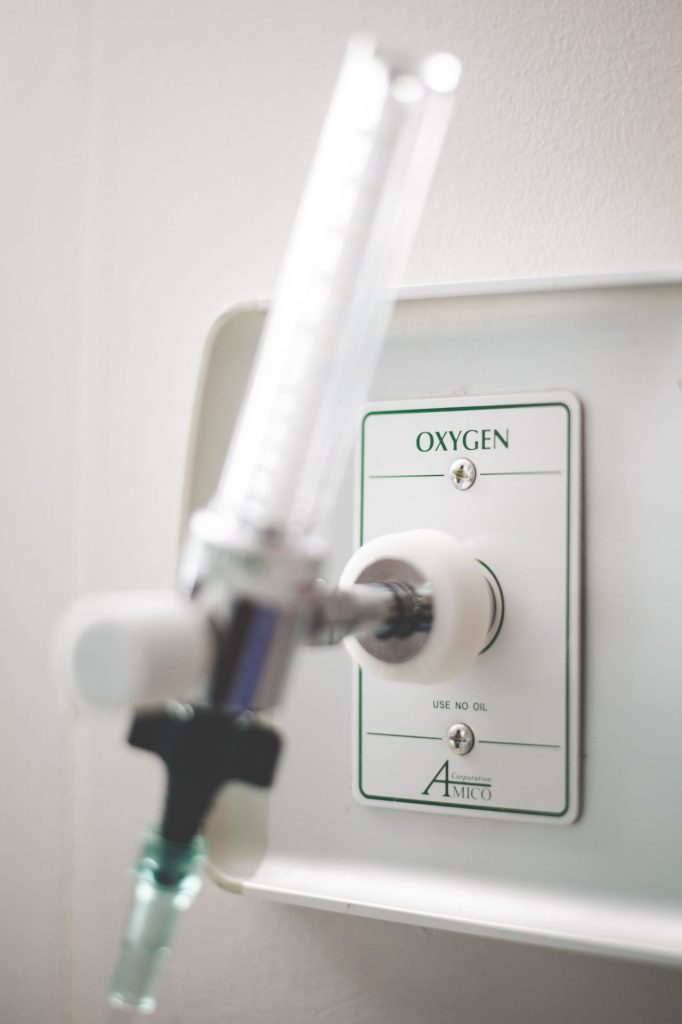
Medical gas distribution in Nigeria is not the kind of delivery anyone should treat like regular cargo. Oxygen cylinders, medical air, nitrous oxide, and other hospital gases support patient care, emergency response, theatre operations, ambulance movement, and home healthcare. When supply is late, poorly handled, or wrongly coordinated, the problem can become serious very quickly.
For hospitals, pharmacies, diagnostic centres, private clinics, homecare providers, and medical suppliers, the real challenge is not only finding medical gas. It is moving cylinders safely, on time, and with the right level of coordination across Nigerian roads, traffic conditions, and healthcare schedules.
That is where proper logistics planning matters.
What Makes Medical Gas Delivery Different From Normal Cargo
A bag of clothes can wait in a dispatch rider’s box. A hospital oxygen cylinder cannot be handled that way.
Medical gases usually require careful loading, upright positioning where necessary, proper vehicle choice, secure fastening, route planning, and clear delivery confirmation. The driver or logistics team must understand that the item is sensitive, time-bound, and often linked to patient care.
In Lagos, for example, a delivery from an oxygen supplier in Ikeja to a clinic in Lekki can look simple on paper. But if the pickup is delayed around Oba Akran, or the driver enters Lekki during peak evening traffic without planning, the clinic may wait longer than expected. In Abuja, moving cylinders from a supplier around Gwarinpa or Utako to a hospital in Wuse, Maitama, or Lugbe also requires proper timing, especially when the order is urgent.
Medical gas distribution in Nigeria works better when logistics is planned around the healthcare need, not just the distance.
Common Customers Who Need Medical Gas Distribution
The demand is not limited to large hospitals. Many smaller healthcare operators need reliable movement of cylinders and related equipment.
Typical customers include:
Private hospitals: Facilities that need regular oxygen cylinder refills for wards, emergency rooms, theatres, and maternity units.
Homecare providers: Families caring for elderly patients or people with breathing support needs may require scheduled cylinder delivery and replacement.
Medical suppliers: Companies selling or refilling cylinders often need distribution support to reach hospitals, clinics, and pharmacies.
Ambulance operators: Emergency transport teams may need backup cylinders, refill coordination, or urgent pickup from supply points.
Diagnostic and surgical centres: Facilities handling procedures may need planned gas supply before scheduled appointments.
For these customers, speed matters, but reliability matters more. A delivery that arrives “fast” but without proper coordination can still create problems at the receiving facility.
How Long Medical Gas Delivery Can Take in Nigerian Cities
Delivery timing depends on the city, traffic, pickup readiness, and the number of cylinders involved.
Within Lagos, same-day delivery may be possible for planned orders, especially between areas such as Ikeja, Yaba, Surulere, Victoria Island, Lekki, and Ajah. Urgent requests can move faster when the pickup point is ready and the receiving facility provides clear contact details.
In Abuja, city deliveries across Wuse, Garki, Maitama, Gwarinpa, Jabi, Asokoro, and Lugbe are usually easier to coordinate than Lagos, but distance and hospital access rules still affect timing.
Interstate delivery, such as Lagos to Ibadan, Lagos to Benin, Abuja to Kaduna, or Port Harcourt to Aba, needs more planning. The vehicle must be suitable, the cylinders must be secured properly, and the receiver must be ready before dispatch. For sensitive medical logistics, last-minute arrangements often cost more and carry higher risk.
Mistakes Healthcare Businesses Make When Arranging Cylinder Movement
Many delays happen before the vehicle even starts moving.
Common mistakes include:
Not confirming cylinder size and quantity: A small vehicle may not be suitable if the order involves multiple large cylinders.
Poor pickup communication: If the supplier is not ready, the driver waits and the delivery timeline changes.
No receiving contact: Hospitals often have security gates, store officers, or biomedical teams. The driver needs the correct person’s number.
Treating urgent oxygen like ordinary dispatch: Medical gas needs better handling, not just the cheapest rider available.
Ignoring refill return logistics: Empty cylinders also need to be moved back safely, especially for suppliers managing exchange systems.
Good distribution is not only about sending full cylinders. It also includes cylinder recovery, refill scheduling, and repeat delivery planning.
How Travo.ng Supports Medical Gas Distribution in Nigeria
Travo.ng helps healthcare suppliers, hospitals, clinics, and homecare providers coordinate reliable medical gas movement across Nigerian cities and interstate routes.
Depending on the request, Travo.ng can support:
Scheduled cylinder pickup and delivery
Hospital and clinic supply coordination
Interstate movement of medical gas cylinders
Return logistics for empty cylinders
Vehicle arrangement for sensitive medical cargo
Courier and delivery support for related medical supplies
Business logistics planning for repeat orders
For a clinic, this may mean arranging a reliable vehicle to collect oxygen cylinders from a supplier and deliver them before evening ward rounds. For a medical supplier, it may mean coordinating multiple deliveries to hospitals in different parts of Lagos or Abuja without confusing orders or delaying customers.
What to Prepare Before Booking Medical Gas Delivery
Before arranging delivery, prepare the basic details:
Pickup address and contact person
Delivery address and hospital contact
Type of medical gas
Cylinder size and quantity
Urgency level
Any handling instructions from the supplier
Whether empty cylinders should be returned
These details help the logistics team choose the right vehicle, estimate delivery time properly, and reduce avoidable delays.
Getting Medical Gas Distribution Right
Medical gas distribution in Nigeria needs more than movement from one address to another. It requires careful coordination, safe handling, clear communication, and local knowledge of Nigerian roads, hospital access points, and delivery timing.
For hospitals, clinics, suppliers, and homecare providers that need dependable support, Travo.ng provides practical logistics coordination for medical gas delivery, cylinder movement, courier services, and healthcare-related transport needs across Nigeria.
