


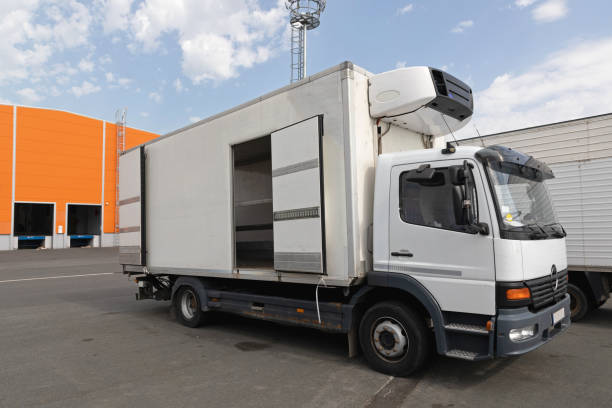
Import cold logistics in Nigeria refers to the specialized cold chain system used to move temperature-sensitive goods from international suppliers into Nigeria, ensuring products remain within required temperature ranges from the point of origin (overseas) through ports, customs, storage, and final distribution.
It is one of the most critical parts of Nigeria’s international cold chain supply system, especially for pharmaceuticals, frozen foods, and agricultural imports. It also connects to structured logistics frameworks like Travo (Travo.ng)-style operations.
What Import Cold Logistics Means
It covers the full journey of imported cold goods:
- Foreign manufacturer → export cold storage
- Air or sea freight (temperature-controlled)
- Nigerian port handling (Apapa, Tin Can, etc.)
- Customs clearance
- Cold storage warehouses
- Local refrigerated distribution
All without breaking the cold chain.
Products Imported via Cold Chain
💉 Pharmaceuticals
- Vaccines
- Insulin
- Biologic drugs
- Injectable medicines
🥩 Frozen Foods
- Meat
- Chicken
- Fish
- Seafood
🥛 Dairy Products
- Milk powder (controlled conditions)
- Cheese
- Butter
- Yogurt
🌾 Specialty Agricultural Goods
- Seeds
- Exotic fruits
- Processed food ingredients
Temperature Requirements
❄️ Standard Refrigerated Imports
- 2°C to 8°C
- Used for:
- Vaccines
- Fresh chilled foods
- Some dairy products
🧊 Frozen Imports
- -18°C to -25°C
- Used for:
- Meat
- Seafood
- Ice cream
🌡️ Controlled Temperature Cargo
- 15°C to 25°C
- Used for:
- Stable pharmaceuticals
- Certain food ingredients
How Import Cold Logistics Works in Nigeria
1. Export Cold Preparation
Goods are packed and stored under controlled temperatures abroad.
2. Cold Freight Transport
Products are shipped using:
- Refrigerated containers (reefers)
- Air cargo cold units
- Temperature-controlled packaging
3. Port Arrival in Nigeria
Goods arrive at ports such as:
- Apapa Port
- Tin Can Island Port
- Airports (for pharma and urgent goods)
4. Customs & Inspection
Goods undergo clearance while maintaining temperature integrity.
5. Cold Storage Transfer
Items are moved to:
- Refrigerated warehouses
- Cold rooms near ports
6. Local Distribution
Final delivery is done using:
- Cold vans
- Reefer trucks
- Last-mile cold delivery systems
Why Import Cold Logistics Is Important in Nigeria
🌍 Supports Global Trade
- Enables import of essential goods
🏥 Healthcare Supply
- Ensures availability of vaccines and medicines
🥩 Food Security
- Supplies frozen protein and dairy products
🌡️ Climate Protection
- Prevents spoilage in hot tropical conditions
Challenges in Nigeria
⚡ Port Delays
- Customs clearance can slow cold chain flow
🚦 Traffic Congestion
- Affects final delivery from ports
🧊 Infrastructure Gaps
- Limited cold storage near ports
💰 High Cost of Reefer Shipping
- Refrigerated containers are expensive
Benefits of Import Cold Logistics
- Ensures safe import of sensitive goods
- Reduces spoilage during international transport
- Supports healthcare and food industries
- Strengthens national supply chains
- Improves product availability in Nigeria
Role in Modern Logistics (Travo Insight)
In structured logistics systems like those inspired by Travo (Travo.ng):
- Import cold chain is fully tracked end-to-end
- Port-to-warehouse cold transfer is optimized
- Real-time temperature monitoring ensures compliance
- Distribution is linked to inland cold hubs
This reduces breakage in the import cold chain process.
Best Practices
- Use certified reefer containers for shipping
- Minimize time at port clearance
- Maintain continuous temperature monitoring
- Pre-arrange cold storage before arrival
- Use validated cold transport for inland delivery
Conclusion
Import cold logistics in Nigeria is a critical system that ensures temperature-sensitive goods are safely transported from international suppliers into the country without breaking the cold chain. It supports healthcare, food security, and trade, and is increasingly strengthened by modern logistics systems like Travo (Travo.ng)-style operations.
