


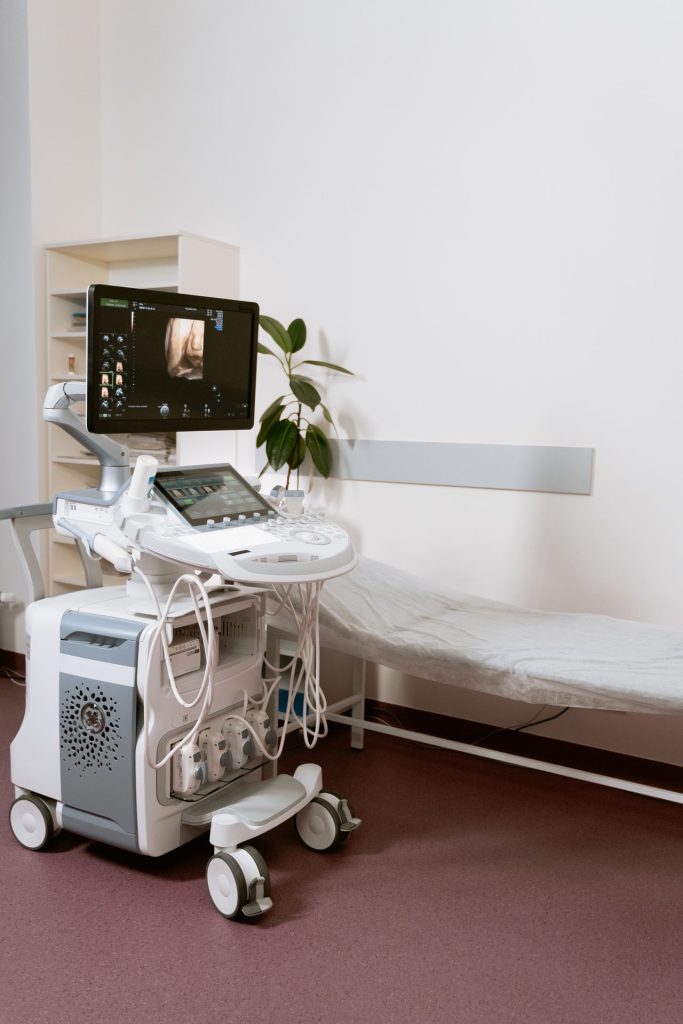
Hospital purchasing in Nigeria is not just about finding the cheapest supplier. For clinics, pharmacies, diagnostic centres, and private hospitals, the real challenge is getting the right medical items delivered safely, on time, and without disrupting patient care.
A hospital may need gloves, syringes, bed sheets, cleaning supplies, diagnostic consumables, oxygen accessories, office essentials, emergency repair parts, or laboratory items. Some purchases are planned monthly. Others are urgent because a department has run out of stock or a machine needs a replacement part before the next patient session.
That is why hospital procurement needs more than buying. It needs coordination, transport, delivery tracking, and practical local logistics support. Travo.ng helps healthcare teams and suppliers manage the movement of hospital purchases across Nigeria with less stress.
What Hospitals Usually Buy and Move Regularly
Most people think hospital purchasing only involves drugs and medical equipment, but daily procurement is wider than that. A functioning hospital depends on many small and large items arriving at the right time.
Common hospital purchases include:
Medical consumables: Gloves, syringes, face masks, gauze, bandages, catheters, sample bottles, disinfectants, and dressing materials.
Laboratory supplies: Test kits, reagents, sample containers, slides, swabs, and diagnostic accessories.
Facility essentials: Cleaning materials, bed linens, uniforms, stationery, printer supplies, water dispensers, and office items.
Equipment support items: Spare parts, cables, batteries, bulbs, tubing, oxygen flow accessories, and minor repair parts.
Emergency purchases: Items needed quickly when stock runs out, a theatre case is scheduled, or a ward has unexpected patient demand.
For many hospitals in Lagos, Abuja, Port Harcourt, Ibadan, Enugu, and other cities, the issue is not always finding these items. The real issue is collecting them from different suppliers and getting them to the hospital without delay.
Why Hospital Purchasing in Nigeria Can Become Complicated
Hospital procurement often involves multiple vendors. One supplier may be in Idumota, another in Ikeja, another in Onitsha, and another in Abuja. A hospital administrator may have to coordinate calls, confirm payment, arrange pickup, monitor delivery, and still handle internal hospital operations.
Common problems include:
Delayed dispatch after payment
Poor packaging of fragile medical items
Riders or drivers who do not understand hospital urgency
Unclear delivery timelines
Suppliers sending incomplete orders
Difficulty moving bulk cartons or sensitive supplies
Traffic delays around Lagos Island, Apapa, Ikeja, Lekki, or hospital-heavy areas
For example, a clinic in Lekki may buy consumables from Lagos Island, cleaning supplies from Oshodi, and office materials from Ikeja. Without proper coordination, those simple purchases can take the whole day to collect.
How Hospitals Can Organise Purchases More Efficiently
A good hospital purchasing system should reduce last-minute pressure. Even small clinics can improve procurement by separating items into planned purchases and urgent purchases.
Planned items should be ordered before stock reaches zero. Consumables like gloves, masks, disinfectants, and sample containers should have minimum stock levels. Once they drop below that level, the procurement team should reorder early.
Urgent items should be handled differently. If a hospital needs a lab accessory, theatre consumable, or repair part quickly, the focus should be on fast pickup, clear supplier confirmation, and direct delivery to the facility.
Before arranging delivery, hospitals should confirm:
The exact item name and quantity
Supplier pickup address and contact person
Whether the item is fragile, bulky, or temperature-sensitive
Expected delivery time
Who will receive the item at the hospital
Any invoice, receipt, or documentation needed
This simple checklist prevents many of the common mistakes that delay hospital supplies.
Moving Medical Supplies Requires More Care Than Normal Parcels
Hospital purchases are not like regular ecommerce deliveries. Some items are fragile. Some must remain clean and properly sealed. Some are urgently needed for patient care. Others may be bulky and require a vehicle instead of a bike.
For small items such as documents, test kits, or light consumables, bike dispatch may be suitable within the same city. For cartons of gloves, cleaning materials, linen, equipment parts, or bulk hospital supplies, a car, van, or truck may be better.
For interstate movement, hospitals need even more planning. Sending supplies from Lagos to Abuja, Lagos to Port Harcourt, or Onitsha to Enugu requires proper packaging, trusted handling, and clear delivery updates. A missed delivery can affect pharmacy stock, theatre preparation, or laboratory operations.
This is where Travo.ng can support hospitals, suppliers, and procurement officers with practical logistics coordination.
How Travo.ng Supports Hospital Purchasing in Nigeria
Travo.ng helps make hospital purchasing in Nigeria easier by supporting the movement and delivery side of procurement. Instead of leaving hospital staff to chase drivers, riders, and suppliers separately, Travo.ng can help coordinate pickup and delivery based on the type of item, urgency, and location.
Relevant services may include:
Courier services for small medical items: Useful for documents, samples, receipts, test kits, and light consumables.
Delivery services for hospital supplies: Suitable for routine supply runs within cities like Lagos, Abuja, Ibadan, and Port Harcourt.
Cargo logistics for bulk orders: Helpful when hospitals need to move cartons, equipment accessories, or larger procurement orders.
Vehicle hire for supplier pickups: Useful when one trip involves collecting items from multiple vendors.
Business logistics support: Practical for hospitals, pharmacies, laboratories, and medical suppliers that need regular movement of goods.
Travo.ng can also support related operational needs such as airport pickups for visiting medical consultants, hotel reservations for travelling healthcare teams, and transport coordination during hospital projects or supplier visits.
Practical Tips Before Booking Hospital Supply Delivery
Before booking any delivery for hospital purchasing, prepare the details properly. This saves time and reduces confusion.
Use clear item descriptions: Do not just write “medical items.” Specify “two cartons of gloves,” “lab reagent box,” or “oxygen tubing accessories.”
Confirm packaging with the supplier: Fragile or sealed items should be packed properly before pickup.
Share the receiver’s details: The delivery person should know whether to meet procurement, pharmacy, laboratory, theatre, or front desk.
Choose the right vehicle: A bike may be fast, but it is not suitable for bulky cartons or delicate equipment.
Avoid late dispatch when possible: In cities like Lagos and Abuja, afternoon traffic can turn a simple delivery into a long delay.
Making Hospital Procurement Less Stressful
Hospitals cannot afford unnecessary delays in procurement. A missing consumable, late delivery, or poorly coordinated pickup can slow down service delivery and create avoidable pressure for staff.
Hospital purchasing in Nigeria works better when buying and logistics are planned together. Whether it is a small clinic sending a rider to collect supplies or a larger facility moving bulk orders between states, the process needs reliability, communication, and local experience.
With Travo.ng, hospitals, medical suppliers, laboratories, and healthcare businesses can arrange practical delivery, courier, cargo, and transport support for their procurement needs across Nigeria.
