


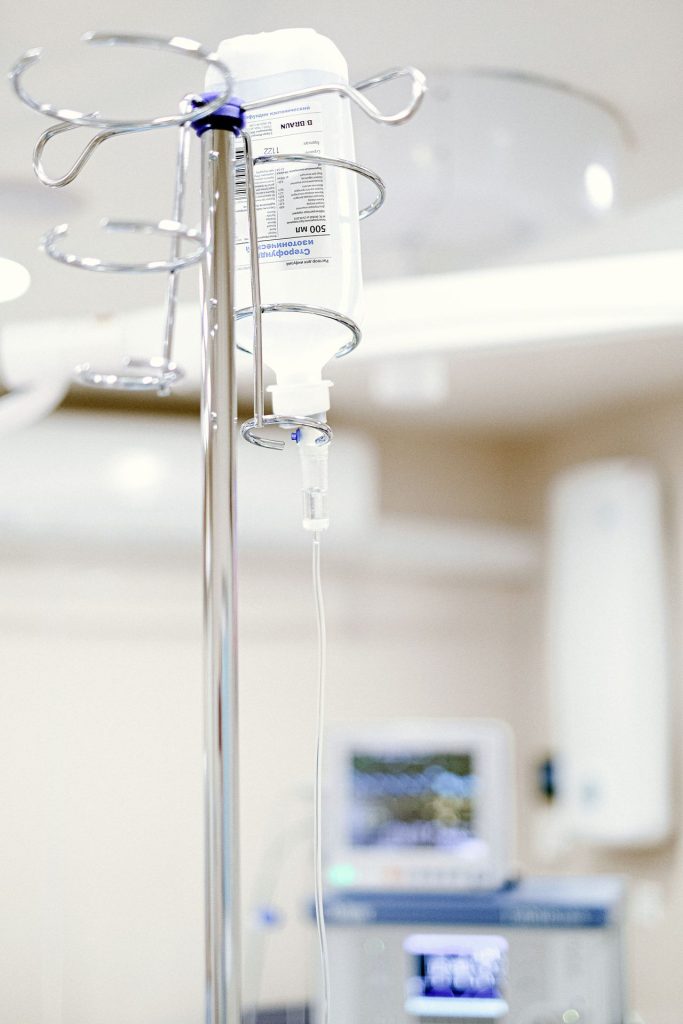
Hospital import clearing in Nigeria is not the same as clearing regular commercial goods. Medical equipment, hospital supplies, diagnostic machines, theatre tools, laboratory items, and emergency healthcare cargo often require more careful documentation, faster handling, and better coordination between the importer, clearing agent, transporter, and receiving facility.
For hospitals, clinics, NGOs, laboratories, diagnostic centres, and medical suppliers, a delay at the port or airport can affect more than business operations. It can disrupt patient care, delay installations, increase storage costs, or create pressure when equipment is needed urgently.
This is why hospital import clearing in Nigeria must be handled by people who understand both customs procedures and the practical realities of moving sensitive healthcare cargo across the country.
Why Hospital Imports Need More Care Than Regular Cargo
Clearing hospital equipment is usually more technical because the items may be sensitive, fragile, expensive, or regulated. A dialysis machine, ultrasound scanner, X-ray unit, ICU bed, laboratory analyser, surgical light, or oxygen concentrator cannot be treated like general warehouse stock.
Many hospital imports require proper handling from arrival to final delivery. Some items come in wooden crates. Some need forklifts, low-bed trucks, tail-lift vehicles, or careful offloading at the hospital site. Others may need temperature control, quick delivery, or coordination with installation engineers.
Common hospital imports into Nigeria include:
Medical imaging equipment: Such as ultrasound machines, CT scan parts, X-ray machines, MRI components, and radiology accessories.
Theatre and ICU equipment: Including surgical tables, monitors, ventilators, patient beds, anaesthesia machines, and lighting systems.
Laboratory and diagnostic items: Such as analysers, reagents, microscopes, centrifuges, and testing devices.
Hospital consumables: Including gloves, syringes, wound care items, PPE, and medical disposables.
Large hospital furniture: Such as hospital beds, cabinets, trolleys, examination couches, and ward equipment.
Because these items serve critical healthcare needs, poor clearing arrangements can create serious inconvenience.
Documents Usually Needed for Hospital Import Clearing in Nigeria
One of the biggest causes of delay is incomplete or inconsistent documentation. Before cargo arrives at Lagos port, Tin Can Island, Apapa, Murtala Muhammed International Airport, or another entry point, importers should confirm that the documents match the cargo description.
Typical documents may include:
Commercial invoice: This shows the value, seller, buyer, and description of the imported goods.
Packing list: This helps customs and handlers understand the number of packages, weight, dimensions, and contents.
Bill of lading or airway bill: This confirms shipment details and is required before release can proceed.
Form M and PAAR: These are important for standard import processing in Nigeria.
SONCAP or exemption documents: Depending on the item, some equipment may require SON-related documentation or confirmation.
NAFDAC-related permits: Some medical consumables, reagents, and healthcare products may require proper regulatory clearance.
End-user or hospital details: For some medical imports, the receiving hospital, clinic, or healthcare organisation may need to provide supporting information.
The exact requirement depends on the item being imported. A container of hospital beds will not always follow the same process as a shipment of diagnostic reagents or high-value medical equipment.
Where Delays Commonly Happen During Clearing
Hospital imports can be delayed at different stages if the process is not planned properly.
At the documentation stage: Delays happen when item descriptions are vague, values are inconsistent, or required permits are missing.
At the port or airport: Congestion, inspection queues, demurrage, storage charges, and terminal handling issues can increase costs.
During customs examination: If the cargo description does not match the physical goods, further checks may be required.
During transport to the hospital: Even after clearing, poor truck coordination can delay delivery, especially within Lagos traffic or on interstate routes.
For example, moving a cleared container from Apapa to a hospital in Ikeja, Lekki, Ibadan, Abuja, Enugu, or Port Harcourt requires proper vehicle planning. Heavy machines may need special handling, not just a regular delivery van.
What It Can Cost to Clear Hospital Imports in Nigeria
The cost of hospital import clearing in Nigeria depends on the cargo type, value, volume, shipping method, regulatory requirements, and destination.
Airfreight medical cargo may be faster but more expensive per kilogram. It is often used for urgent hospital consumables, spare parts, diagnostic items, or equipment needed quickly.
Sea freight is usually better for large equipment, hospital furniture, bulk supplies, and containerized cargo. However, it requires stronger planning because port delays can increase demurrage and storage charges.
Other possible costs include:
Customs duty and taxes: Based on cargo classification and value.
Terminal or airline charges: Depending on whether the goods arrive by sea or air.
Clearing agent fees: For handling documentation, customs interface, and release.
Transport charges: Based on distance, vehicle type, cargo weight, and handling needs.
Offloading and installation support: Especially for large or sensitive machines.
A small airfreight shipment may only need airport clearing and same-day delivery within Lagos. A full container of hospital equipment may require customs processing, truck booking, police escort in some cases, crane or forklift support, and delivery coordination with the hospital facility manager.
Mistakes Importers Should Avoid
Many healthcare importers lose time and money because they treat clearing as something to arrange after the goods arrive. That is risky.
Before shipment, confirm the correct HS code, required permits, cargo description, weight, and destination plan. Make sure the invoice and packing list are clear. Also confirm whether the hospital site can receive the item properly. Some hospitals have narrow entrances, limited parking, or no equipment for offloading heavy machines.
Another common mistake is using a clearing agent who does not understand medical cargo. The cheapest option can become expensive if the person mishandles documentation or fails to plan final delivery.
How Travo.ng Supports Hospital Import Clearing in Nigeria
Travo.ng helps hospitals, clinics, suppliers, and healthcare organisations coordinate hospital import clearing in Nigeria with a practical end-to-end approach. The service can support airport clearing, sea cargo clearing, customs documentation guidance, cargo movement, last-mile delivery, and transport coordination to the receiving facility.
For urgent medical cargo, Travo.ng can help arrange faster pickup and delivery from the airport. For larger equipment, the team can coordinate suitable vehicles, handling support, and delivery routes from Lagos ports to hospitals in Lagos, Abuja, Port Harcourt, Ibadan, Enugu, and other Nigerian cities.
This is especially useful when the importer needs one coordinated service instead of calling separate people for clearing, trucking, offloading, and delivery follow-up.
A Better Way to Handle Medical Cargo
Hospital imports are too important to leave to guesswork. Whether you are bringing in diagnostic equipment, hospital beds, laboratory items, theatre supplies, or urgent medical consumables, the clearing process should begin before the cargo lands in Nigeria.
With proper documents, experienced coordination, and reliable delivery planning, hospital import clearing in Nigeria becomes smoother, faster, and less stressful. Travo.ng gives healthcare importers a practical way to manage the process from arrival to final delivery, helping hospitals receive the equipment and supplies they need with fewer delays.
