


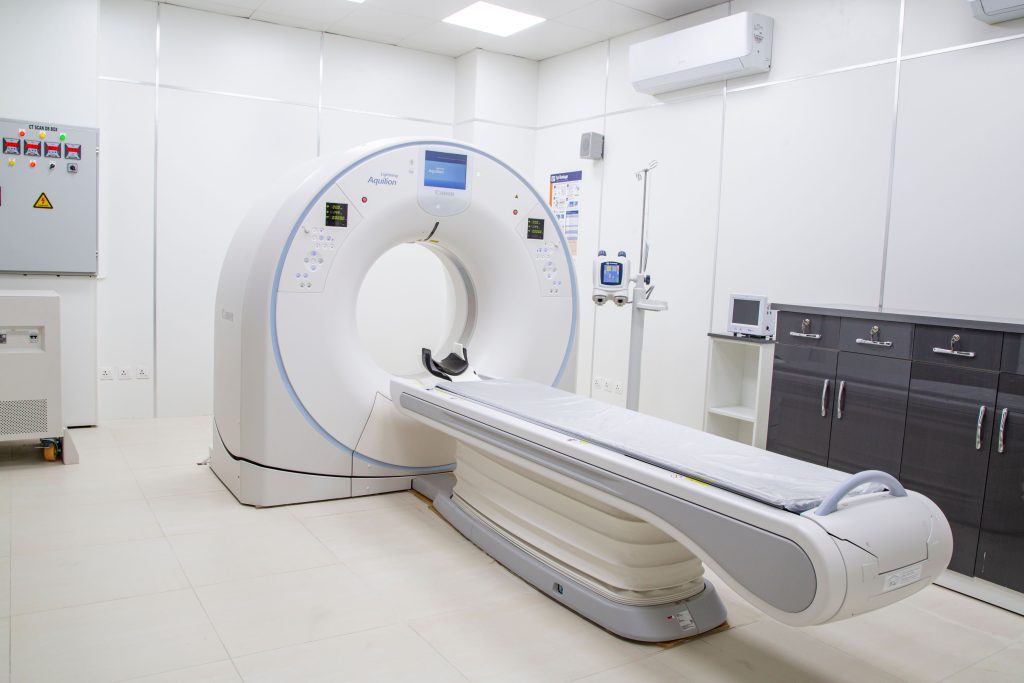
Hospital asset management in Nigeria is not just about keeping a list of equipment in a file. For hospitals, diagnostic centres, laboratories, clinics, and health NGOs, it affects daily operations, patient care, maintenance planning, relocation, and even emergency response.
A hospital may know it owns dialysis machines, ultrasound scanners, oxygen concentrators, hospital beds, monitors, fridges, theatre equipment, laptops, and generators. The real challenge is knowing where each item is, whether it is working, when it needs servicing, how it should be moved, and who is responsible for it.
In Nigeria, where hospitals often operate across busy cities like Lagos, Abuja, Port Harcourt, Ibadan, Enugu, and Kano, managing medical assets properly can prevent delays, damage, losses, and avoidable costs.
What hospitals usually struggle with when managing equipment
Many facilities start with simple records, especially when the hospital is still small. But as departments grow, problems begin to show.
A scanner may be moved from one branch to another without proper documentation. A hospital bed may be repaired but not updated in the asset register. A laboratory fridge may fail because no one tracked its service schedule. In some cases, equipment donated by partners or government agencies is received but not properly tagged, recorded, or assigned.
Common issues include:
Poor asset visibility: Management may not know the exact location or condition of important medical equipment.
Unplanned movement: Equipment gets transferred between branches without proper handling, packaging, or documentation.
Maintenance delays: Machines break down because servicing dates are missed or ignored.
Loss and misuse: Smaller but valuable assets like laptops, diagnostic tools, wheelchairs, and monitors can disappear without a reliable tracking process.
Poor transport handling: Sensitive medical equipment can be damaged when moved like ordinary cargo.
This is why hospital asset management in Nigeria needs both proper documentation and practical logistics support.
Moving hospital equipment requires more care than regular cargo
A dialysis machine, theatre light, incubator, or laboratory analyser cannot be handled like office furniture. These items are sensitive, expensive, and often needed urgently.
For example, moving a dialysis machine from Lagos to Abuja may require careful wrapping, proper lifting, stable vehicle placement, documentation, and delivery timing that does not disrupt hospital operations. Moving hospital beds within Lagos may seem simple, but access roads, elevator availability, loading space, and traffic around areas like Ikeja, Surulere, Lekki, Yaba, or Victoria Island can affect the job.
For interstate movement, routes such as Lagos to Abuja, Lagos to Port Harcourt, Abuja to Kaduna, or Benin to Asaba need proper vehicle selection and timing. Some medical assets may need enclosed vans, trucks, escorts, or scheduled delivery outside peak traffic hours.
Travo.ng supports healthcare facilities with transport coordination, courier services, cargo logistics, delivery planning, and relocation support for medical and operational assets.
How a proper hospital asset process should work
A practical system does not need to be complicated. What matters is consistency.
Before moving or assigning any hospital asset, the facility should confirm:
Asset description: Name, model, serial number, size, and current condition.
Location: Current department, branch, room, or storage area.
Responsible person: Staff member, department head, or facility manager in charge.
Movement reason: Repair, relocation, installation, disposal, loan, replacement, or emergency deployment.
Handling requirements: Fragile, heavy, temperature-sensitive, electrical, or specialist equipment.
Delivery details: Pickup address, destination, access restrictions, preferred time, and receiving contact.
This helps hospitals avoid confusion when assets move between wards, departments, warehouses, suppliers, engineers, or branch locations.
Real situations where healthcare providers need support
A hospital in Lekki may need to move beds and monitors to a new branch in Ajah. A diagnostic centre in Ikeja may need urgent delivery of imaging accessories from a supplier. A clinic in Abuja may need furniture and medical devices moved after renovation. A health NGO may need to distribute equipment to partner hospitals in different states.
In each case, proper coordination matters. The vehicle must match the load. The pickup team must understand the sensitivity of the items. The delivery must be confirmed with the right person. If the equipment is going for repair, documentation should show what left, when it left, and where it was delivered.
Travo.ng can help coordinate hospital equipment movement, courier delivery, cargo transport, airport pickups for medical teams, hotel reservations for visiting technicians, and vehicle hire for healthcare operations.
Mistakes hospitals should avoid
One common mistake is waiting until there is an emergency before arranging movement. Another is using the cheapest available vehicle without considering the equipment value. A ₦5 million machine should not be moved carelessly to save a small transport cost.
Hospitals should also avoid moving equipment without photos, handover notes, or receiving confirmation. For expensive assets, always record condition before pickup and after delivery.
During rainy season, poor packaging can expose equipment to moisture. During festive periods, interstate logistics can become slower and more expensive due to road pressure and higher demand. Planning early helps reduce these risks.
Getting hospital asset management right in Nigeria
Good hospital asset management in Nigeria combines accurate records, responsible staff, safe movement, and reliable logistics support. It helps hospitals reduce downtime, protect expensive equipment, and keep operations running smoothly.
For hospitals, clinics, diagnostic centres, NGOs, laboratories, and medical suppliers that need practical support, Travo.ng provides transport coordination, cargo movement, courier delivery, relocation support, vehicle hire, and related logistics services across Nigeria.
When medical assets need to be moved, tracked, delivered, or coordinated safely, working with a local logistics partner that understands Nigerian roads, traffic, timing, and handling realities can make the process much easier.
