


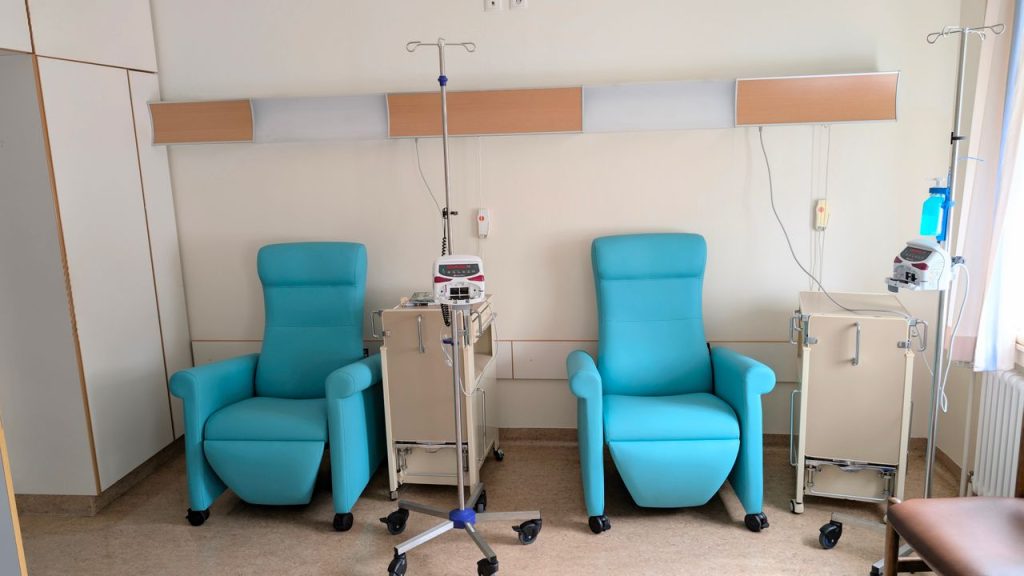
Moving a dialysis machine is not the same as moving a regular office device or household appliance. It is sensitive medical equipment, often expensive, heavy, and connected to patient care. For hospitals, clinics, diagnostic centres, NGOs, and private healthcare providers, dialysis machine transport in Nigeria requires proper handling, careful loading, route planning, and reliable delivery timing.
A small mistake during movement can lead to costly damage, delayed installation, or service disruption for patients who depend on dialysis treatment. This is why medical equipment transport should be handled by a logistics team that understands both Nigerian road conditions and the importance of protecting delicate machines in transit.
What Makes Dialysis Machine Movement Different From Normal Delivery
Dialysis machines contain delicate internal components, screens, pumps, sensors, water-line connections, and electronic parts. Rough handling, poor packaging, rain exposure, or too much vibration during transport can affect performance.
In Nigeria, this becomes even more important because medical equipment may need to move through busy areas such as Ikeja, Surulere, Lekki, Wuse, Gwarinpa, Port Harcourt, Enugu, Kano, or from Lagos ports to hospitals in other states. Bad road sections, long travel hours, traffic delays, and poor loading methods can all create risks.
A proper dialysis machine delivery should consider:
Secure packaging before pickup
Careful lifting and loading
Protection from dust, water, and impact
Vehicle type suitable for the equipment size
Route planning based on road condition and urgency
Clear handover at the destination
This is the level of planning Travo.ng helps healthcare providers arrange when transporting sensitive medical equipment across Nigeria.
Moving Dialysis Machines Within Lagos, Abuja, or Port Harcourt
Short-distance transport can still be risky if it is not handled properly. A clinic moving a dialysis unit from Victoria Island to Ikeja, or from Wuse to Garki, may assume it is a simple delivery because the distance is not far. But city traffic, multiple stops, rough handling, and wrong vehicle choice can still cause damage.
For local medical equipment transport, the focus should be on speed, careful handling, and direct movement. Where possible, the machine should not be mixed with unrelated goods such as furniture, food items, construction materials, or general cargo.
A dedicated vehicle is usually better for dialysis machines because it reduces unnecessary handling and movement inside the truck or van.
Interstate Dialysis Machine Transport Across Nigeria
Interstate movement needs more planning. For example, transporting a dialysis machine from Lagos to Abuja, Lagos to Ibadan, Lagos to Port Harcourt, Abuja to Kano, or Enugu to Benin requires attention to travel time, packaging, vehicle reliability, and delivery coordination.
Depending on distance and road condition, interstate delivery may take one to three days. Lagos to Ibadan can often be handled same day if pickup is early. Lagos to Abuja usually requires longer planning, especially if the machine is being moved with installation equipment, accessories, or hospital supplies.
Before booking interstate dialysis machine transport in Nigeria, it is important to confirm:
The exact pickup and delivery addresses
Machine size and estimated weight
Whether stairs, elevators, or loading bays are available
Whether extra manpower is needed
If the machine has been disconnected by a qualified technician
Whether delivery must happen during hospital working hours
These details help avoid delays and reduce the risk of damage during loading or offloading.
Common Mistakes Hospitals and Clinics Should Avoid
One common mistake is booking the cheapest available truck without checking if the vehicle is suitable. Another is allowing untrained loaders to lift the machine without understanding how sensitive it is.
Some clinics also forget to prepare the machine before pickup. The equipment should be properly disconnected, drained where required, cleaned, protected, and secured before movement. Any loose parts, cables, manuals, or accessories should be packed separately and labelled clearly.
Another mistake is poor timing. Moving medical equipment during heavy Lagos traffic, rainy periods, or late evening without proper delivery coordination can create unnecessary risk.
How Travo.ng Supports Safe Medical Equipment Transport
Travo.ng helps healthcare businesses, hospitals, clinics, suppliers, and individuals arrange practical logistics support for sensitive medical equipment. For dialysis machines, the service can include pickup coordination, suitable vehicle arrangement, loading support, interstate transport, delivery scheduling, and careful handover.
The goal is not just to move the machine, but to make sure it arrives in good condition and at the right time. Travo.ng can also support related logistics needs such as hospital equipment delivery, medical supply movement, courier services, cargo logistics, and vehicle hire for healthcare operations.
Before You Book Dialysis Machine Transport
Before scheduling pickup, prepare clear information about the equipment. Share the machine type, quantity, location, delivery address, urgency, and any access challenges at both ends. Photos of the machine and pickup environment can also help the logistics team plan properly.
For hospitals receiving imported or supplier-delivered equipment, it is better to arrange transport early instead of waiting until the machine is already at the pickup point. Early coordination helps with vehicle availability, manpower, route choice, and delivery timing.
Dialysis machine transport in Nigeria should never be treated as ordinary cargo movement. With the right planning and a reliable logistics partner, healthcare providers can move sensitive equipment safely between cities, clinics, hospitals, and patient-care centres.
Travo.ng provides a practical way to book medical equipment transport, cargo logistics, and delivery support across Nigeria with local knowledge and proper coordination.
