


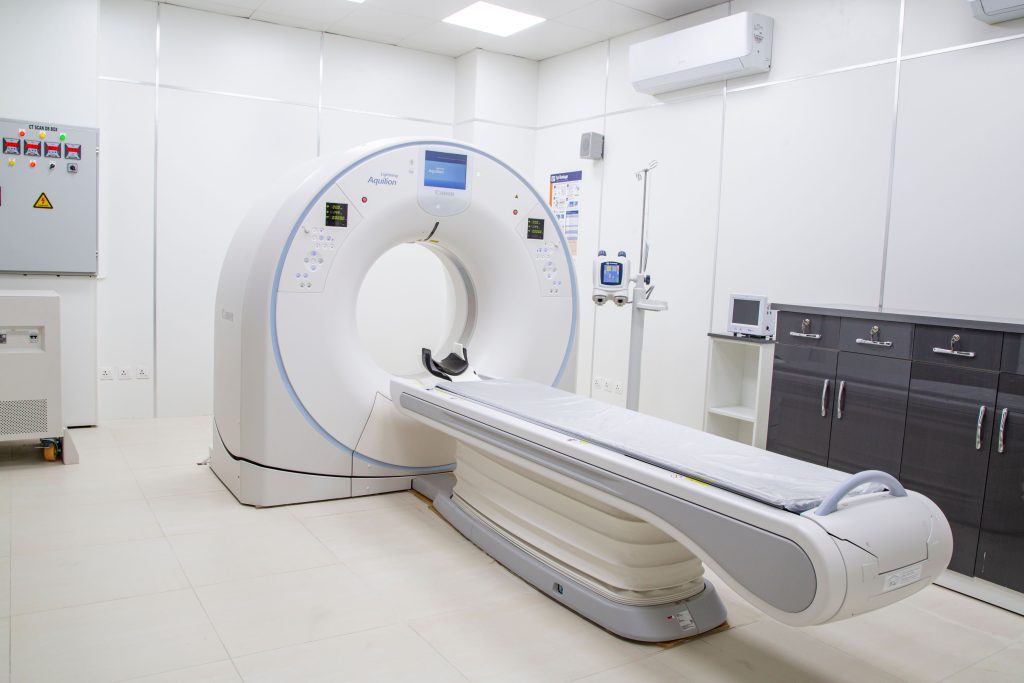
Moving a CT scanner is not the same as moving ordinary cargo. It is heavy, sensitive, expensive, and often tied to a hospital’s ability to diagnose patients quickly. That is why CT scanner logistics in Nigeria requires careful planning, the right handling team, suitable vehicles, and proper coordination from pickup to installation site.
For hospitals, diagnostic centres, medical suppliers, and project managers, the biggest concern is not just getting the machine delivered. The real concern is getting it delivered without damage, delay, missing parts, or poor handling during loading and offloading.
Travo.ng helps businesses and healthcare facilities plan medical equipment transport, delivery coordination, vehicle hire, and cargo logistics across Nigeria with practical local knowledge.
What Makes Moving a CT Scanner Different From Normal Cargo
A CT scanner has delicate components that can be affected by impact, vibration, moisture, poor lifting, or careless positioning. Even when the machine is properly packed, rough handling can create expensive technical problems later.
Most CT scanner movements involve more than one item. You may have the gantry, patient table, console, UPS system, cables, crates, accessories, and sometimes shielding materials. If these are not labelled and moved together, installation can be delayed.
In Nigeria, another major issue is access. A diagnostic centre in Lekki, Wuse, GRA Port Harcourt, or Ikeja may not have a wide loading area. Some locations have narrow gates, low overhead cables, uneven ground, or limited parking space for trucks. These details must be checked before the movement day.
How CT Scanner Logistics Is Usually Planned in Nigeria
A proper move starts with a site assessment. The logistics team needs to know where the scanner is coming from, where it is going, the machine dimensions, crate weight, access conditions, and whether lifting equipment will be needed.
For example, moving a CT scanner from Lagos port to a hospital in Abuja may involve port release coordination, customs documentation support, truck booking, route planning, overnight security considerations, and final delivery scheduling.
A local movement within Lagos may look simpler, but traffic and building access can still cause problems. Moving from Apapa to Ikeja, Lekki, or Victoria Island requires timing the truck movement carefully, especially during weekday traffic or rainy-season road disruption.
Typical planning includes:
- Confirming equipment dimensions and weight before truck selection
- Checking whether forklift, crane, pallet jack, or manual rigging support is needed
- Planning the best delivery time to avoid heavy traffic
- Protecting crates from rain, dust, and vibration
- Coordinating with biomedical engineers or installation technicians
- Ensuring the receiving facility is ready before dispatch
Common Mistakes That Cause Delays or Damage
One common mistake is booking a regular truck without checking whether it can safely carry medical imaging equipment. A CT scanner should not be squeezed into a poorly prepared vehicle just because the truck is available.
Another mistake is poor communication between the supplier, hospital, transporter, and installation team. If the equipment arrives before the room is ready, the scanner may sit in a corridor, open yard, or temporary storage area. That increases the risk of damage.
Some facilities also forget to confirm offloading arrangements. A driver may arrive with the machine, but without a forklift, crane, or trained handlers on site, delivery becomes stressful and unsafe.
Realistic Delivery Timelines to Expect
Timelines depend on the pickup point, route, documentation, and readiness of the receiving facility. A same-city move in Lagos or Abuja may be completed within a day if access and loading are already arranged.
Interstate delivery usually needs more planning. Lagos to Abuja may take one to two days by road depending on dispatch time, truck type, weather, security considerations, and stopovers. Lagos to Port Harcourt or Kano may require additional route planning, especially for heavy medical cargo.
For imported CT scanners coming through Lagos ports, the bigger delay is often not the road trip. It is usually documentation, clearing, truck access into the port area, and coordination between the supplier and consignee.
How Travo.ng Supports CT Scanner Logistics in Nigeria
Travo.ng can help coordinate CT scanner logistics in Nigeria by arranging suitable transport, delivery planning, cargo movement support, and reliable handling coordination for hospitals, diagnostic centres, suppliers, and contractors.
Depending on the job, Travo.ng can support with truck booking, medical equipment delivery coordination, airport or port pickup planning, interstate transport, temporary storage guidance, and relocation logistics for healthcare facilities.
For customers handling wider projects, related services such as courier delivery for documents, hotel reservations for visiting engineers, vehicle hire, and airport pickups can also be arranged where needed.
What to Prepare Before Booking the Movement
Before booking CT scanner transport, prepare the machine details, pickup address, delivery address, contact person at both locations, preferred movement date, equipment photos, crate dimensions, and any special handling instructions.
Also confirm whether the scanner is already packed, whether the receiving room is ready, and whether technical personnel will be available when the cargo arrives.
The smoother the preparation, the safer and faster the delivery will be. For sensitive hospital equipment, the cheapest option is not always the best option. What matters most is careful handling, proper coordination, and a logistics team that understands Nigerian routes, traffic, access issues, and medical cargo movement.
With Travo.ng, healthcare businesses can book practical logistics support that helps move valuable diagnostic equipment with better planning and less stress.
