


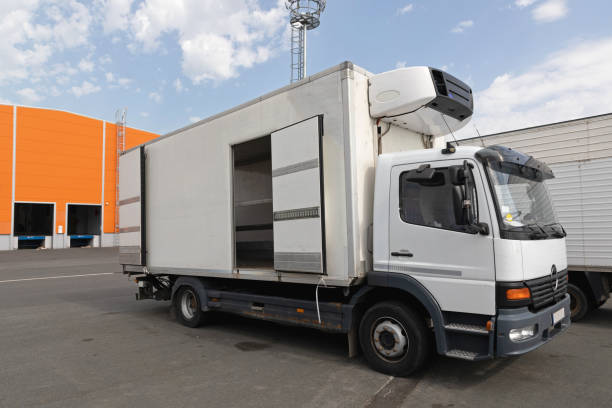
Keeping temperature-sensitive products fresh in Nigeria can be difficult, especially when electricity supply is unreliable and deliveries take longer than expected. For businesses handling frozen foods, agricultural produce, dairy products, and other perishable goods, poor storage conditions can lead to serious financial losses.
Container cold storage in Nigeria provides a practical solution for businesses that need controlled temperatures without constructing permanent refrigerated warehouses.
These insulated, temperature-controlled containers help businesses preserve products while managing storage space, transportation, and distribution more efficiently.
How Container Cold Storage Works in Nigeria
Refrigerated containers, commonly called reefer containers, use cooling systems to maintain specific temperatures for stored products.
They are particularly useful for businesses operating around Lagos, Abuja, Port Harcourt, and other major commercial centres.
Depending on the equipment, containers can support chilled or frozen storage. However, the correct temperature depends on the product being stored.
For example:
- Frozen fish and meat generally require storage at -18°C or colder.
- Fresh vegetables need product-specific temperatures to prevent spoilage.
- Dairy products usually require controlled refrigeration.
- Certain pharmaceutical products require validated temperature conditions.
Businesses should confirm temperature requirements before selecting a refrigerated container.
What Container Cold Storage in Nigeria Actually Costs
The cost of refrigerated container storage depends on several operational factors.
A 20-foot refrigerated container typically costs less to acquire or rent than a 40-foot unit, although pricing varies with equipment condition and availability.
Other expenses include:
- Container transportation and installation
- Electricity or diesel generator consumption
- Routine refrigeration maintenance
- Temperature monitoring equipment
- Loading and unloading arrangements
For businesses in Lagos, transporting a container from Apapa to Ikeja or Lekki may attract additional haulage charges.
Requesting a detailed quotation helps prevent unexpected expenses.
Managing Power Supply and Temperature Problems
One major challenge with refrigerated storage in Nigeria is maintaining uninterrupted electricity.
A container holding frozen chicken or seafood cannot simply remain without power during prolonged outages.
Businesses should arrange dependable backup electricity, preferably with automatic switching where practical.
Temperature monitoring is equally important.
Operators should check temperature records regularly, inspect container door seals, and avoid keeping doors open unnecessarily.
Products should also be arranged to allow proper airflow around the refrigeration system.
These precautions help reduce spoilage and unnecessary operating costs.
Moving Refrigerated Containers Across Nigerian Cities
Cold storage becomes more complicated when products must move between locations.
For example, a frozen food distributor transporting products from Lagos to Abuja must consider travel duration, loading arrangements, and refrigeration continuity.
A stationary reefer container may require a compatible power source during transportation.
Businesses should confirm whether their transport arrangement supports continuous cooling before dispatching temperature-sensitive cargo.
Travo.ng provides cargo logistics and transport coordination services that businesses can use when arranging container movement and related distribution requirements.
Choosing the Right Cold Storage Arrangement
Before renting or purchasing a refrigerated container, businesses should consider:
- Storage capacity: Estimate the volume of products requiring refrigeration.
- Temperature range: Confirm the equipment supports the required conditions.
- Power availability: Arrange reliable electricity and backup systems.
- Accessibility: Ensure trucks can reach the installation location.
- Maintenance: Confirm access to qualified refrigeration technicians.
Businesses handling seasonal agricultural produce may prefer temporary storage arrangements, while established distributors might require longer-term facilities.
Arrange Cold Storage Logistics With Travo.ng
Reliable refrigeration is only one part of protecting perishable goods. Proper cargo handling, timely transportation, and coordinated deliveries are equally important.
Travo.ng supports businesses with cargo logistics, haulage coordination, and delivery arrangements across Nigeria.
Whether you need to move refrigerated equipment, coordinate interstate cargo transportation, or organise distribution from a storage facility, Travo.ng can help you plan the logistics.
Contact Travo.ng to discuss your container transportation and cold-chain logistics requirements in Nigeria.
Is this conversation helpful so far?
