


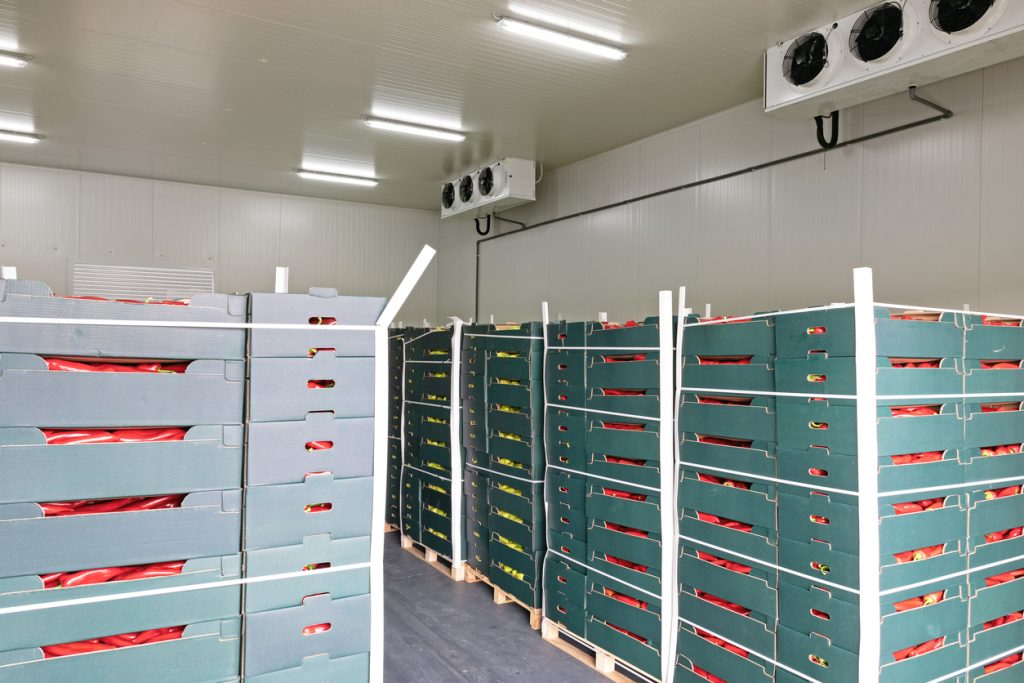
Cold room storage has become a critical part of modern business operations in Nigeria.
From frozen food distributors in Lagos to pharmaceutical suppliers transporting temperature-sensitive products across multiple states, businesses increasingly depend on reliable refrigerated storage to protect inventory from spoilage.
Nigeria’s climate creates serious challenges for products that require controlled temperatures.
Without proper cold room storage, items like:
- Frozen chicken
- Fish and seafood
- Dairy products
- Ice cream
- Vaccines
- Fresh produce
- Medical supplies
can become damaged very quickly because of:
- High temperatures
- Power supply problems
- Traffic delays
- Long interstate delivery timelines
This is why demand for cold room storage services has increased significantly across:
- Lagos
- Abuja
- Port Harcourt
- Kano
- Ibadan
- Ogun industrial corridors
Today, cold room facilities support industries including:
- Food distribution
- Hospitality
- Supermarkets
- Pharmaceutical logistics
- E-commerce grocery delivery
- Restaurant supply chains
This guide explains how cold room storage works in Nigeria, the operational realities businesses face, and what companies should know before choosing a refrigerated storage provider.
What Cold Room Storage Actually Means
Cold room storage refers to temperature-controlled storage spaces designed to preserve perishable or sensitive products.
Unlike standard warehouses, cold rooms maintain controlled environments suitable for:
- Chilled products
- Frozen inventory
- Refrigerated goods
depending on storage requirements.
Cold room facilities commonly store:
- Frozen foods
- Seafood
- Dairy products
- Fresh vegetables
- Pharmaceuticals
- Beverages
- Meat products
The goal is to maintain stable temperatures during:
- Storage
- Distribution
- Inventory handling
- Delivery preparation
because even short temperature exposure can damage products permanently.
Why Cold Room Storage Demand Is Increasing in Nigeria
Several industries are driving rapid growth in refrigerated storage demand.
Food Distribution and Retail
Supermarkets, restaurants, and frozen food suppliers now move larger inventory volumes nationwide.
Businesses handling:
- Imported frozen food
- Dairy products
- Seafood
- Processed meat
depend heavily on cold rooms before products move toward:
- Retail outlets
- Hotels
- Restaurants
- Grocery stores
This is especially important in Lagos where food distribution operates at large scale daily.
Pharmaceutical Cold Storage Is Expanding
Healthcare logistics now depends heavily on refrigerated storage systems.
Products requiring cold room storage include:
- Vaccines
- Insulin
- Laboratory materials
- Temperature-sensitive medications
Hospitals and pharmaceutical distributors increasingly rely on specialised cold storage facilities instead of ordinary warehousing.
This sector has grown rapidly because medical products require stricter temperature monitoring and regulatory compliance.
Lagos Remains Nigeria’s Largest Cold Storage Market
Lagos dominates Nigeria’s cold room industry because of:
- Port activity
- Food importation
- Hospitality demand
- Supermarket distribution
- Pharmaceutical logistics
Areas around:
- Apapa
- Ikeja
- Oregun
- Lekki
- Mushin
now host growing refrigerated warehouse operations.
Cold storage operators currently active in Nigeria include:
- ColdHubs
- Koolboks
- Prime Atlantic Cold Stores
- Foodpro Logistics
- Refrigerated warehouse providers across Lagos and Ogun State
Many facilities also support interstate refrigerated movement toward:
- Abuja
- Ibadan
- Port Harcourt
- Kano
Why Cold Room Operations Are Difficult in Nigeria
Cold room storage is one of the most expensive logistics operations in the country.
Power Supply Problems
Cold rooms require uninterrupted electricity to maintain stable temperatures.
Most operators therefore depend heavily on:
- Diesel generators
- Backup refrigeration systems
- Fuel management planning
because even short outages can destroy inventory quickly.
High Fuel Costs Affect Pricing
Cold room businesses spend heavily on:
- Diesel
- Generator maintenance
- Cooling systems
- Refrigeration servicing
This is one reason refrigerated storage costs are significantly higher than ordinary warehousing.
Traffic Delays Affect Cold Logistics
Lagos traffic around:
- Apapa
- Oshodi
- Lekki
- Ikeja
can delay refrigerated deliveries for hours.
Cold room operators therefore carefully coordinate:
- Loading schedules
- Delivery timing
- Refrigerated transport
- Last-mile distribution
to minimise product exposure outside controlled conditions.
Businesses Usually Need More Than Storage Alone
Many businesses using cold room storage also require:
- Refrigerated transport
- Interstate logistics
- Delivery coordination
- Warehouse inventory management
- Last-mile cold delivery
For example:
- A frozen food importer may store products in Lagos before distributing inventory toward Abuja and Port Harcourt.
- Pharmaceutical distributors may require both cold storage and temperature-controlled delivery support.
This is why many logistics providers now combine:
- Cold room storage
- Refrigerated trucking
- Distribution coordination
- Delivery scheduling
under one integrated system.
What Businesses Usually Look for in Cold Room Providers
Companies handling temperature-sensitive products typically prioritise:
- Stable refrigeration
- Backup power systems
- Warehouse cleanliness
- Security
- Fast dispatch access
- Temperature monitoring
A refrigeration failure can lead to:
- Product spoilage
- Financial loss
- Customer complaints
- Regulatory issues
This is why reliability matters heavily in cold room operations.
Interstate Cold Storage Logistics Is Growing
Cold logistics demand is no longer limited to Lagos.
Businesses increasingly require refrigerated storage support in:
- Abuja
- Port Harcourt
- Kano
- Ibadan
- Ogun industrial zones
because:
- Food supply chains are expanding
- E-commerce grocery delivery is growing
- Pharmaceutical distribution is improving nationwide
Regional cold storage hubs are now becoming more important for interstate refrigerated logistics.
Technology Is Improving Cold Room Operations
Modern cold room facilities increasingly use:
- Digital temperature monitoring
- Automated refrigeration alerts
- Warehouse inventory systems
- GPS-enabled delivery coordination
- Real-time dispatch tracking
Businesses now expect:
- Better inventory visibility
- Faster communication
- Organised refrigerated handling
- More reliable logistics coordination
instead of informal storage arrangements.
Common Problems Businesses Still Face
Refrigeration Failure
Poorly maintained facilities increase spoilage risks.
Limited Cold Storage Capacity
Reliable refrigerated space remains limited in some cities.
High Operating Costs
Diesel and refrigeration maintenance heavily affect pricing.
Poor Inventory Management
Without organised tracking systems, stock handling becomes difficult.
Travo.ng Supports Logistics Coordination Across Nigeria
Businesses handling refrigerated inventory often require broader logistics coordination beyond warehousing alone.
Travo.ng helps businesses coordinate:
- Delivery logistics
- Interstate transport
- Vehicle hire
- Cargo scheduling
- Airport pickups
- Business travel support
especially for companies operating across multiple Nigerian cities.
Cold Room Storage Is Becoming Essential for Modern Supply Chains
Cold room storage is no longer optional for many Nigerian businesses.
It has become critical for:
- Food distribution
- Pharmaceutical operations
- Hospitality supply chains
- Retail logistics
- Grocery delivery services
As demand for temperature-sensitive logistics continues growing, businesses capable of providing:
- Reliable refrigerated storage
- Stable temperature control
- Organised inventory systems
- Structured logistics coordination
will become increasingly important across Nigeria’s transport and supply chain sectors.
