


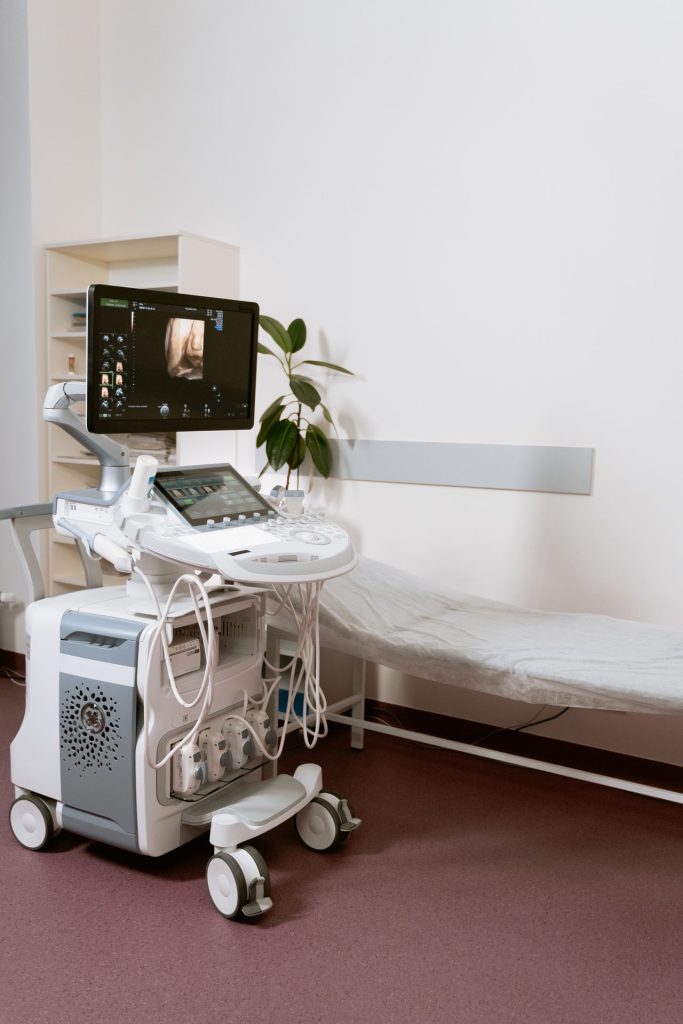
Moving medical machines is not the same as moving ordinary cargo. A dialysis machine, ultrasound scanner, patient monitor, laboratory analyser, or oxygen concentrator can be expensive, sensitive, and difficult to replace quickly. That is why biomedical equipment logistics in Nigeria requires careful handling, proper vehicle selection, route planning, and people who understand the risks involved.
Hospitals, diagnostic centres, laboratories, NGOs, medical suppliers, and equipment vendors often need to move biomedical devices between Lagos, Abuja, Port Harcourt, Ibadan, Kano, Enugu, and other parts of the country. Whether the movement is from a port, airport, warehouse, hospital, or supplier’s office, poor handling can lead to damage, delay, or serious operational problems.
Travo.ng supports businesses and organisations that need dependable transport coordination for medical and logistics-related movements across Nigeria.
What Makes Biomedical Equipment Transport Different
Biomedical equipment is usually fragile, high-value, and sensitive to vibration, moisture, dust, and poor loading methods. Some machines also have detachable probes, screens, tubes, calibration parts, or accessories that must be packed and labelled properly before movement.
For example, transporting a dialysis machine from Lagos to a hospital in Benin or Abuja requires more than finding a truck. The team must consider:
- How the machine will be lifted and secured
- Whether the road route is smooth enough
- How to prevent impact damage during transit
- Whether the equipment needs covered or enclosed transport
- How accessories and manuals will be packed
- Who will receive and inspect the machine on arrival
This is where professional logistics planning becomes important.
Common Biomedical Equipment Moved Across Nigeria
Different healthcare providers have different transport needs. Some moves are urgent, while others are planned around hospital installation dates or procurement schedules.
Biomedical equipment logistics in Nigeria may involve transporting:
- Dialysis machines
- Ultrasound machines
- ECG and patient monitoring devices
- Laboratory testing equipment
- Dental chairs and medical furniture
- Oxygen concentrators and cylinders
- Hospital beds and theatre equipment
- Diagnostic machines and imaging accessories
- Medical refrigerators and cold storage units
- Physiotherapy and rehabilitation equipment
Each item requires a different handling approach. A boxed oxygen concentrator may fit into a smaller vehicle, while a hospital bed or diagnostic machine may require a van, pickup, or covered truck.
Moving Equipment From Lagos Ports and Airports
Many biomedical devices enter Nigeria through Lagos ports, Murtala Muhammed International Airport, or courier and freight channels. After customs clearance, the next challenge is moving the item safely to the hospital, warehouse, showroom, or final installation site.
A common mistake is treating the final-mile movement as a simple delivery job. In reality, the last stage is where many damages happen. Bad roads, poor loading, weak packaging, and rushed offloading can affect the condition of the equipment before it even reaches the facility.
For imported medical equipment, logistics planning should begin before the cargo arrives. This helps with vehicle booking, pickup timing, documentation checks, and delivery coordination.
Lagos to Abuja and Other Interstate Medical Equipment Routes
Interstate biomedical equipment transport needs realistic timing. A Lagos to Abuja movement may take one to two days depending on vehicle type, road conditions, loading time, security checks, and delivery location. Lagos to Port Harcourt, Lagos to Enugu, Abuja to Kano, and Ibadan to Lagos also require route planning, especially when the equipment is bulky or sensitive.
For medical suppliers, late delivery can affect installation schedules and hospital operations. For hospitals, delays can affect patient care, especially when the equipment is urgently needed for diagnostics, treatment, or emergency support.
Travo.ng can help coordinate suitable vehicles, delivery timelines, pickup arrangements, and movement support based on the type of equipment and destination.
Packaging and Handling Should Not Be an Afterthought
Good packaging reduces risk. Biomedical devices should not be loosely placed inside a vehicle or stacked with unrelated cargo. Machines should be wrapped, cushioned, strapped, and protected from movement during transit.
Before pickup, the sender should confirm:
- The machine is powered down and disconnected properly
- Loose parts are removed or secured
- Accessories are packed separately and labelled
- Fragile screens or probes are protected
- The receiver is available at the delivery point
- The delivery location has enough manpower or equipment for offloading
These small details can prevent expensive damage.
Choosing the Right Vehicle for Medical Equipment Movement
The right vehicle depends on size, weight, distance, urgency, and sensitivity. A small laboratory device may only need a secure car or van. A large hospital machine may need a covered truck with careful loading support. Some equipment may require direct delivery instead of shared cargo movement.
For biomedical equipment logistics in Nigeria, the cheapest transport option is not always the safest. A lower quote may not include proper handling, secure loading, or reliable delivery tracking. It is better to choose a logistics arrangement that matches the value and sensitivity of the equipment.
How Travo.ng Supports Biomedical Equipment Logistics in Nigeria
Travo.ng helps individuals, hospitals, suppliers, and businesses arrange practical logistics support for sensitive medical equipment movement. This may include vehicle hire, pickup coordination, cargo delivery, interstate transport, airport pickup, and business logistics support where required.
Instead of guessing which vehicle to use or relying on unstructured transport arrangements, customers can work with Travo.ng to plan the movement properly from pickup to delivery.
For hospitals, laboratories, NGOs, clinics, and medical vendors, reliable biomedical equipment logistics in Nigeria is not just about transport. It is about protecting valuable machines, avoiding delays, and making sure the equipment arrives ready for proper installation or use.
