


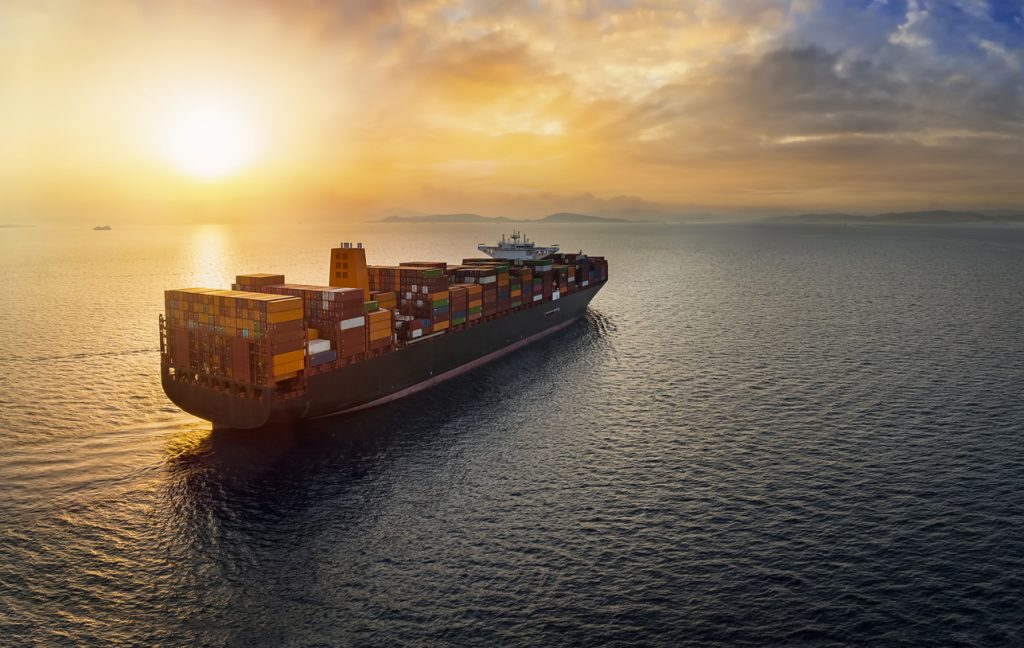
If you are importing goods through Apapa Port, Tin Can Island Port, Onne Port, or Murtala Muhammed International Airport, one of the most disruptive documentation issues you can encounter is a wrong consignee on bill of lading in Nigeria.
Many importers assume that a minor spelling mistake or incorrect company name can be corrected easily during clearance. In reality, the consignee information on a Bill of Lading is one of the most important details on the shipment. When it is incorrect, questions about cargo ownership and release authority can arise immediately.
A consignee error can delay customs processing, create challenges with shipping lines, and increase storage costs while corrections are being made.
Why the Consignee Information Matters So Much
The consignee is the person or company legally entitled to receive the cargo at its destination.
The Bill of Lading serves as:
- Evidence of shipment
- Proof of cargo ownership
- A transport contract
- A key customs clearance document
When the consignee information does not match the actual importer, customs and shipping companies may refuse to release the cargo until the discrepancy is resolved.
Common Consignee Errors Found on Bills of Lading
Several issues can trigger problems during clearance:
Incorrect Company Name
The company name on the Bill of Lading differs from the importer’s registered business name.
Spelling Errors
Even small spelling mistakes can create verification issues.
Wrong Consignee Address
An incorrect address may lead to documentation inconsistencies.
Incorrect Corporate Entity
A shipment intended for one company is listed under a related but different business entity.
Outdated Business Information
Old company details appear on shipping documents after a business name change.
What Happens When the Wrong Consignee Appears on a Bill of Lading?
Once the error is discovered, several complications may occur:
- Cargo release may be delayed
- Shipping lines may require formal amendment requests
- Customs verification may take longer
- Additional documentation may be requested
- Storage and demurrage charges may accumulate
For importers bringing goods into Lagos for distribution to Abuja, Kano, Port Harcourt, Ibadan, or other commercial centres, these delays can disrupt inventory planning and customer commitments.
How Customs Views Consignee Discrepancies
The:
Nigeria Customs Service
uses consignee information as part of the verification process.
When the consignee listed on the Bill of Lading does not align with other shipping documents such as:
- Commercial invoices
- Packing lists
- Form M
- PAAR documentation
customs may request clarification before processing continues.
The issue is often less about the error itself and more about confirming who legally owns the cargo.
Can a Wrong Consignee Be Corrected?
In many cases, yes.
A bill of lading amendment can often be requested through the shipping line or carrier.
The process typically involves:
- Identifying the error
- Contacting the shipping line
- Providing supporting documentation
- Requesting formal amendment approval
- Paying amendment fees where applicable
- Receiving revised shipping documents
Requirements vary depending on the carrier and the stage of shipment.
Why Delaying a Correction Can Be Expensive
Many importers wait until cargo arrives before addressing documentation issues.
This can increase:
- Port storage charges
- Demurrage costs
- Administrative processing time
- Customs verification delays
- Overall cargo handling expenses
The sooner a consignee error is identified and corrected, the lower the operational impact tends to be.
Common Causes of Consignee Errors
Most mistakes occur because of:
Supplier Documentation Mistakes
Exporters may use outdated customer information.
Last-Minute Shipment Changes
Changes in purchasing arrangements may not be reflected in final shipping documents.
Communication Problems
Different parties may be working from different versions of shipment information.
Manual Data Entry Errors
Simple typing mistakes can create major clearance issues.
Multiple Companies Within the Same Group
Related companies may accidentally be substituted during document preparation.
How Businesses Can Avoid Consignee Problems
Experienced importers often:
- Verify consignee details before shipment departure
- Review draft Bills of Lading carefully
- Ensure consistency across all shipping documents
- Update suppliers on any company changes
- Confirm information before vessel loading
Preventing the error is usually much easier than correcting it after arrival.
How Travo.ng Supports Cargo Movement After Documentation Issues Are Resolved
While consignee corrections focus on shipping documentation, businesses still need reliable logistics support once cargo is released.
This is where Travo.ng assists importers and businesses across Nigeria.
Travo.ng supports:
- Cargo pickup after customs clearance
- Nationwide cargo transportation
- Interstate delivery services
- Distribution support for commercial shipments
- Airport and seaport logistics coordination
- Last-mile delivery solutions
Once documentation issues have been resolved, Travo.ng helps businesses move cargo efficiently to destinations across Nigeria.
Final Insight
A wrong consignee on a Bill of Lading in Nigeria is more than a simple paperwork mistake. Because the consignee establishes legal ownership and cargo release rights, even minor errors can delay customs processing and increase logistics costs. Reviewing shipping documents carefully before cargo departs can help importers avoid expensive amendments, delays, and clearance complications.
