


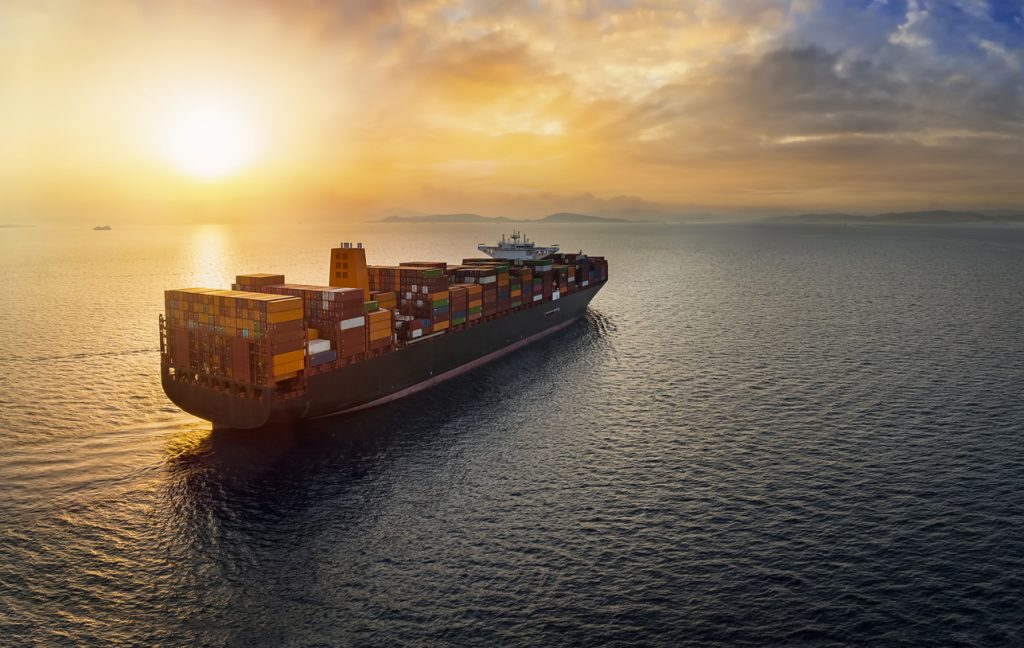
Owning a tanker vessel can be highly profitable, but it is also one of the most operationally demanding investments in the maritime sector. Tankers require strict safety compliance, precise cargo handling, constant maintenance, and careful voyage planning.
For many investors—especially those based far from operational hubs like Lagos, Port Harcourt, or international shipping routes—direct involvement in daily vessel operations is not realistic. This is where tanker vessel management for absentee owners becomes essential.
It allows owners to earn from their vessels while professional teams handle the technical, commercial, and regulatory workload.
What tanker vessel management means for absentee owners
Tanker vessel management is a structured service where a third-party operator takes full or partial responsibility for running a tanker on behalf of the owner.
For absentee owners, this typically includes:
- Full operational control of the vessel
- Technical maintenance and engineering oversight
- Crew recruitment and onboard supervision
- Cargo handling coordination for liquid products
- Safety and environmental compliance management
- Voyage planning and performance monitoring
- Financial reporting and cost control
In simple terms, the owner invests in the vessel, while professionals ensure it performs safely and profitably at sea.
Why absentee owners rely on tanker management services
Most tanker owners are investors, not maritime operators. Managing a tanker remotely is complex due to strict industry requirements.
Common reasons for outsourcing include:
- Limited maritime operational experience
- High risk of safety and environmental violations
- Complex international regulations for tanker operations
- Difficulty managing crew across long voyages
- Constant maintenance demands
- Need for consistent commercial utilisation
Without structured management, even a well-built tanker can become underutilised or financially inefficient.
Core responsibilities in tanker vessel management
1. Technical management and maintenance control
Tankers require high technical reliability due to the nature of their cargo.
Management includes:
- Engine and machinery maintenance
- Cargo pump and pipeline system checks
- Hull inspections and structural integrity monitoring
- Preventive maintenance scheduling
- Dry-docking coordination
A small technical fault on a tanker can create major operational risks, making preventive maintenance critical.
2. Cargo operations and safety handling
Unlike dry cargo vessels, tankers carry liquids such as crude oil, chemicals, or refined petroleum products.
Management teams oversee:
- Safe loading and discharge procedures
- Cargo temperature and pressure monitoring
- Tank cleaning and preparation between voyages
- Contamination prevention protocols
- Terminal coordination for loading operations
Safety is the highest priority due to environmental and financial risks.
3. Crew management and competency control
Tankers require highly trained personnel.
Management includes:
- Recruitment of certified tanker crew
- STCW and hazardous cargo training compliance
- Crew rotation schedules
- Payroll and welfare management
- Safety drills and operational training
Well-trained crews significantly reduce operational risk.
4. Voyage planning and operational efficiency
Efficient tanker operations depend on precise planning.
This involves:
- Route optimisation based on fuel and time
- Port scheduling and berth coordination
- Weather and sea condition analysis
- Minimising idle time at anchorages
- Charter party compliance planning
Every delay in tanker operations increases cost exposure.
5. Regulatory compliance and environmental safety
Tanker vessels are heavily regulated due to environmental risks.
Management ensures compliance with:
- MARPOL environmental regulations
- Flag state requirements
- Port state inspection standards
- Safety Management Systems (SMS)
- Oil spill prevention protocols
Non-compliance can lead to detention, fines, or reputational damage.
6. Commercial management and charter coordination
For absentee owners, revenue depends on efficient chartering.
Management teams handle:
- Securing cargo contracts
- Negotiating freight rates
- Managing voyage schedules
- Ensuring contract compliance
- Optimising vessel utilisation
A well-managed tanker should rarely be idle unless scheduled.
7. Financial reporting and transparency
Absentee owners require clear visibility into performance.
Reports typically include:
- Voyage income and expenditure
- Fuel consumption analytics
- Maintenance and repair costs
- Charter profitability breakdown
- Operational efficiency reports
Transparency is essential for investor confidence.
Why tanker management is more complex than other vessels
Tankers are more demanding than general cargo vessels due to:
- Hazardous cargo handling requirements
- Stricter safety regulations
- Higher insurance and compliance standards
- Complex loading and discharge procedures
- Environmental risk exposure
This makes professional management not just helpful—but necessary.
The risks of poor tanker vessel management
Without proper oversight, tanker owners may face:
- Environmental incidents and regulatory penalties
- Cargo contamination or loss
- High emergency repair costs
- Charter contract breaches
- Vessel downtime and revenue loss
- Crew safety incidents
Even a single operational failure can have major financial consequences.
Tanker operations challenges in West African maritime routes
In regions such as Nigeria and nearby coastal waters, tanker operations face additional realities:
- Congested port terminals in Lagos and Port Harcourt
- Strict customs and petroleum product regulations
- Security monitoring requirements in certain zones
- Variable port efficiency and scheduling delays
- Weather disruptions affecting offshore operations
These conditions make structured management even more important for absentee owners.
How absentee owners benefit from professional management
When properly managed, tanker vessels deliver:
- Consistent operational uptime
- Improved safety and compliance performance
- Better fuel efficiency and cost control
- Higher charter reliability
- Reduced maintenance surprises
- Long-term asset value protection
The vessel becomes a structured income-generating asset rather than a hands-on burden.
Where logistics coordination fits into tanker operations
Even with strong vessel management, cargo movement depends on external logistics coordination.
This includes:
- Terminal scheduling and coordination
- Cargo availability and timing
- Port clearance processes
- Supply chain alignment between origin and destination
- Inland distribution after discharge
Delays in logistics can impact vessel turnaround time and profitability.
How Travo.ng supports cargo and logistics coordination
While tanker vessel management focuses on onboard operations, logistics coordination ensures smooth movement of goods across the supply chain.
Travo.ng supports businesses involved in maritime and cargo movement through:
- Cargo consolidation and coordination
- Freight logistics planning
- Import and export delivery support
- Supply chain execution across Nigeria
- End-to-end coordination between ports and destinations
This helps reduce delays that can affect vessel turnaround efficiency and cargo flow.
Final thoughts
Tanker vessel management for absentee owners is essential for maintaining safety, profitability, and operational efficiency in a highly regulated maritime sector.
By outsourcing operations to experienced professionals, investors can reduce risk, ensure compliance, and maximise returns without being physically present.
In today’s shipping environment, especially for high-risk cargo like oil and chemicals, structured management is not optional—it is a core requirement for sustainable tanker ownership.
