


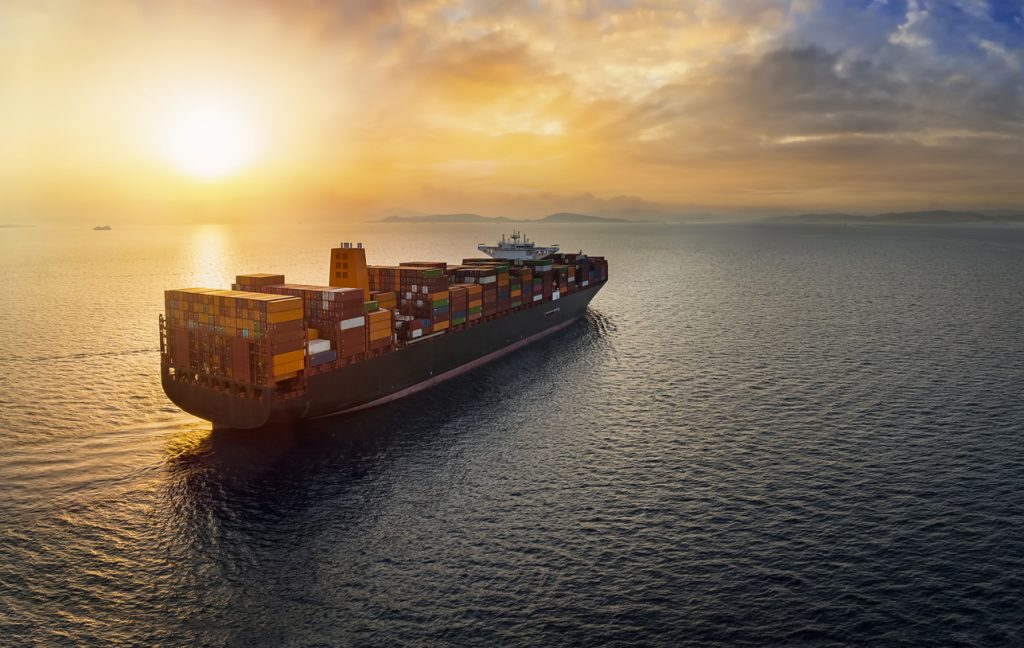
Shipping across West Africa is currently going through a major shift driven by rising cargo volumes, port congestion, global route changes, and new investments in deep-sea port infrastructure. For importers, exporters, and logistics operators, these updates directly affect delivery timelines, freight costs, and supply chain planning.
From Lagos to Tema, Abidjan to Lomé, the region is seeing heavier container traffic than many ports were originally designed to handle, while at the same time shipping lines are deploying larger vessels and adjusting global routes around Africa.
West African Ports Are Under Increasing Pressure From Rising Cargo Volume
One of the biggest recent developments is the surge in container traffic across West African ports. Many terminals are now handling more shipments than their yard capacity and equipment can efficiently process.
Reports from regional shipping intelligence show that:
- Container volumes have increased sharply across major West African ports
- Terminal infrastructure is struggling to keep up with demand
- Dwell times and container waiting periods are increasing
- Demurrage and storage costs are rising for importers
This is especially visible in high-traffic ports like:
- Lagos (Nigeria)
- Tema (Ghana)
- Cotonou (Benin)
- Abidjan (Côte d’Ivoire)
The pressure is not just temporary—it reflects structural growth in trade combined with infrastructure limitations.
Port Congestion Is Still a Key Operational Challenge
Congestion remains one of the biggest shipping issues in the region.
Recent shipping updates highlight:
- Vessel waiting times at some West African ports range from 1 to several days depending on terminal schedules
- Yard space constraints are affecting container clearance speed
- Equipment shortages (cranes, trucks, berths) are causing delays
- Some terminals are operating with strict scheduling windows to manage overflow
In ports like Tema and Conakry, operational bottlenecks have led to fluctuating delays that affect both import and export cargo flows.
For businesses, this means planning for buffer time is now essential, especially for time-sensitive shipments.
Bigger Ships and New Shipping Routes Are Changing West Africa’s Trade Flow
Another major shift is the deployment of ultra-large container vessels to West Africa.
Shipping lines are increasingly:
- Calling West African ports directly with larger vessels
- Using hub-and-spoke systems through ports like Lomé, Lagos, and Tema
- Expanding transshipment capacity in deep-water terminals
At the same time, global shipping disruptions—especially route diversions around the Cape of Good Hope—have increased traffic along African coastlines.
This has led to:
- Longer transit times on some Asia–Europe–Africa routes
- Higher freight costs due to extended voyage distances
- Increased bunkering activity along West African ports
- More strategic importance for West African terminals in global shipping networks
New Investments in Deep-Sea Ports Are Expanding Capacity
To handle rising demand, several major investments are reshaping the region:
- Expansion of modern terminals in Lagos, Lekki, Tema, and Abidjan
- Development of deep-water ports capable of handling very large vessels
- Private sector investments by global shipping and terminal operators
- Increased focus on rail and inland logistics connections
For example, newer facilities like Lekki Deep Sea Port are helping reduce pressure on older Lagos terminals by handling larger container volumes and deeper-draft vessels.
Freight Costs and Shipping Timelines Remain Volatile
Because of congestion and global route changes, importers are still experiencing:
- Unstable freight rates depending on shipping lines and seasons
- Longer transit times on Asia–West Africa routes
- Additional surcharges linked to congestion and rerouting
- Unpredictable container availability in peak periods
This volatility makes planning ahead more important than ever for businesses relying on imported goods.
Inland Logistics Is Now Just as Important as Port Operations
A major trend in West African shipping is that delays no longer stop at the port.
Even after cargo is cleared, businesses often face:
- Truck shortages for inland delivery
- Delays moving goods from ports to warehouses
- High transport costs for long-distance distribution
- Coordination issues between freight agents and transporters
This is where logistics execution becomes just as important as shipping itself.
How Businesses Are Adapting to These Shipping Changes
Importers and exporters across West Africa are adjusting by:
- Booking shipments earlier to avoid congestion windows
- Using multiple ports instead of relying on one entry point
- Working with verified logistics operators for inland transport
- Improving inventory planning due to longer lead times
- Consolidating shipments to reduce per-unit shipping costs
These strategies help reduce risk in an increasingly unpredictable shipping environment.
How Travo.ng Supports Shipping and Logistics Execution in West Africa
As shipping conditions evolve, execution becomes critical after cargo arrives at port.
Travo.ng supports businesses by handling the movement of goods across the final and most sensitive stages of the supply chain:
- Port-to-warehouse cargo transportation
- Inland delivery across cities and regions
- Fleet coordination for importers and distributors
- Interstate logistics movement
- Business logistics support and distribution execution
- Supply chain coordination for time-sensitive cargo
This helps businesses reduce delays after clearance and maintain smoother delivery timelines despite port congestion and shipping volatility.
What to Expect Next in West African Shipping
The next phase of shipping development in the region is expected to focus on:
- Continued expansion of deep-sea port infrastructure
- More direct global shipping routes into West Africa
- Increased adoption of digital port management systems
- Stronger integration between ports and inland logistics networks
- Growing demand for professional logistics coordination services
As trade volumes continue to rise, West Africa is becoming a more important part of global shipping networks—but also a more complex one to manage.
