


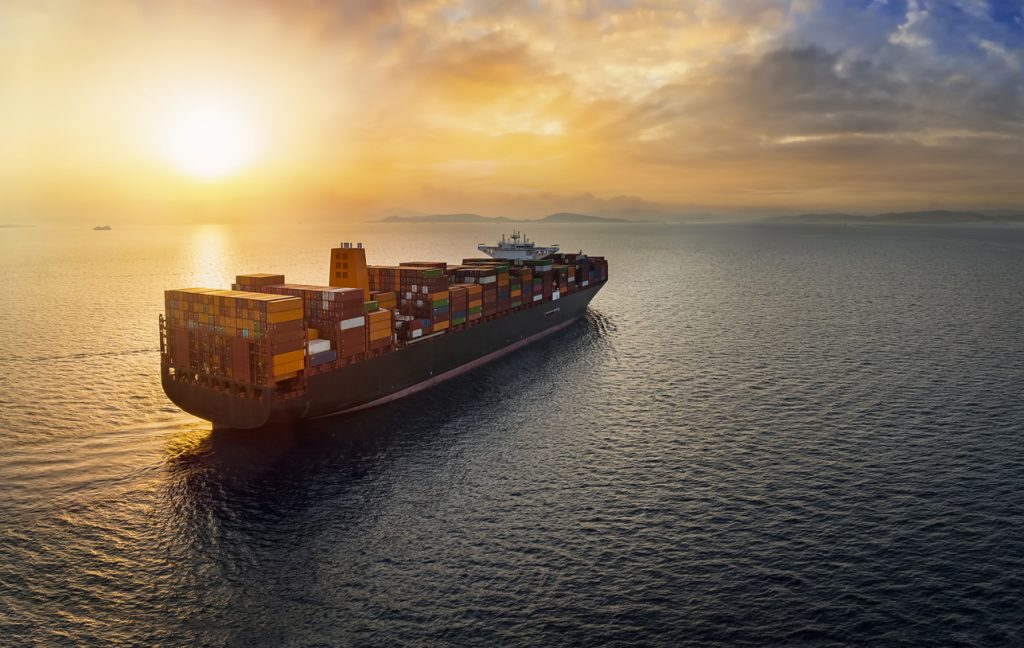
The shipping industry in Nigeria is the backbone of international trade in West Africa’s largest economy. It covers everything involved in moving goods by sea—vessel operations, port handling, container shipping, freight forwarding, customs clearance, and inland logistics distribution.
In 2026, Nigeria’s shipping industry is growing strongly, but it is also facing a mix of high demand, infrastructure pressure, and operational bottlenecks, especially around Lagos ports.
Recent data shows that Nigerian ports handled over 129.3 million tonnes of cargo in 2025, marking a 24.8% growth year-on-year, one of the strongest increases in the country’s maritime history.
This growth reflects a simple reality:
Nigeria is shipping more goods than ever before—but the system is still catching up.
🚢 What the shipping industry in Nigeria actually includes
Most people think “shipping industry” just means ships. In Nigeria, it is much broader and includes:
- Ocean freight (imports and exports)
- Container shipping (FCL and LCL cargo)
- Port operations (Apapa, Tin Can, Onne, Lekki)
- Customs clearance and inspections
- Freight forwarding services
- Trucking and inland distribution
- Warehousing and cargo storage systems
So the industry is not just at sea—it runs through ports, roads, and logistics hubs across the country.
📈 Strong growth in cargo volume and vessel traffic
Nigeria’s shipping industry is expanding quickly due to:
- Rising imports of consumer goods and machinery
- Growth in vehicle and container traffic
- Increased transshipment activity within West Africa
- Expansion of export trade under regional agreements
In 2025–2026 reports, container traffic alone rose significantly, with exports and imports both increasing as Nigeria becomes more integrated into regional trade networks.
Key trend:
- More ships are arriving
- Bigger vessels are calling at Nigerian ports
- Cargo volume is increasing across all major terminals
⚓ The major ports driving the shipping industry
Lagos Ports (Apapa & Tin Can)
These remain the busiest hubs:
- Handle the majority of container imports
- Experience the highest congestion levels
- Drive national shipping costs and delivery timelines
Lekki Deep Sea Port
A newer development reshaping the industry:
- Handles larger vessels
- More efficient cargo flow
- Reduces pressure on Lagos ports
Onne Port (Rivers State)
Key for:
- Oil and gas logistics
- Industrial cargo
- Project shipments
🚧 The biggest challenges in Nigeria’s shipping industry
1. Port congestion (especially Lagos)
Apapa and Tin Can ports still face:
- Container backlog
- Long truck queues
- Yard saturation
- Slow cargo evacuation
Even when vessels arrive on time, cargo may still take days to exit the port system.
2. High logistics and import costs
Shipping in Nigeria is expensive due to:
- Demurrage charges
- Storage fees
- Truck shortages
- FX-related cost fluctuations
- Inefficient cargo movement cycles
Nigeria’s port inefficiencies significantly increase the cost of doing business compared to other regions.
3. Customs and documentation delays
Even with digital reforms, delays still occur due to:
- HS code disputes
- inspection requirements
- multi-agency approvals
- documentation mismatches
4. Infrastructure and road constraints
A major bottleneck is not just the port—it is the exit route:
- Apapa port road congestion
- Limited truck access
- Inefficient evacuation timing
🧭 Digital transformation is reshaping the industry
Nigeria is gradually shifting toward a more digital shipping system:
- National Single Window trade platform rollout
- Paperless customs processing
- Electronic cargo tracking systems
- Port modernization programs
These reforms aim to reduce clearance time, improve transparency, and simplify trade procedures.
📊 Why Nigeria’s shipping industry is still growing despite challenges
Even with delays and costs, the industry keeps expanding because:
- Nigeria is a major import-dependent economy
- Population and consumption are increasing
- Regional trade (AfCFTA) is growing
- Infrastructure investments are ongoing
- Foreign shipping companies are expanding operations
There is also growing international investment in port infrastructure to reduce congestion and improve efficiency long-term.
🚚 Where Travo.ng fits into the shipping ecosystem
Shipping is not only about cargo—it is about coordination
While shipping companies move containers, real-world operations depend heavily on people moving across airports, ports, warehouses, and business locations.
This includes:
- import managers coordinating shipments
- freight forwarders handling clearance
- foreign suppliers visiting Nigeria
- logistics teams moving between terminals
- urgent travel during cargo release operations
🚖 How Travo.ng supports shipping and logistics operations
Travo.ng supports the shipping industry in Nigeria by handling the movement and coordination side of logistics:
- Airport pickup for import/export teams
- Executive transport across Lagos port corridors
- Hotel booking for international shipping partners
- Corporate travel coordination
- Time-sensitive mobility during cargo clearance cycles
In a system where shipping delays are common, efficient movement of people becomes a key part of keeping supply chains running smoothly.
