


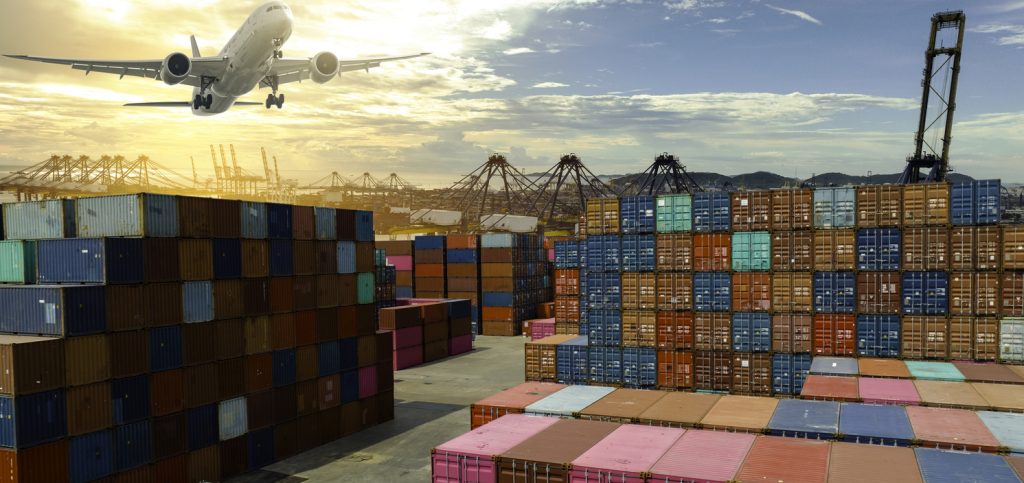
Port terminal charges in Nigeria are fees imposed by terminal operators for handling, storing, and processing cargo inside port terminals. These charges apply in major Nigerian ports such as Apapa Port, Tin Can Island Port, and Lekki Deep Sea Port in Lagos, as well as other ports like Onne and Port Harcourt.
They are separate from shipping line charges and are part of the overall cost of importing goods into Nigeria.
Through Travo (Travo.ng), businesses can improve logistics coordination, transport planning, and cargo movement efficiency to reduce delays that often increase terminal charges.
What Are Port Terminal Charges?
Port terminal charges are fees paid for services provided by terminal operators, including:
- Cargo handling
- Container storage
- Yard occupation
- Equipment usage
- Documentation processing inside the terminal
These charges begin once cargo arrives and is discharged at the terminal.
Main Types of Port Terminal Charges in Nigeria
1. Terminal Storage Charges
Charged when cargo stays in the terminal beyond free time.
- Applies daily
- Increases with delay
- One of the most common port costs
2. Container Handling Charges
Fees for:
- Loading and offloading containers
- Movement within terminal yard
- Use of cranes and equipment
3. Yard Occupancy Charges
Applied when:
- Containers occupy terminal space
- Cargo remains uncleared for long periods
4. Documentation and Administrative Charges
Includes:
- Processing of delivery orders
- Terminal paperwork
- System processing fees
5. Inspection and Security Charges
- Customs examination support
- Cargo scanning and handling
- Security monitoring inside terminals
How Port Terminal Charges Work in Nigeria
- Cargo arrives at the port terminal
- Terminal discharges container into yard
- Free storage period is given
- Importer must clear and evacuate cargo
- After free days expire → daily charges begin
- Charges increase until cargo is removed
Difference Between Terminal Charges, Demurrage, and Detention
| Charge Type | Who Charges | Where It Applies |
|---|---|---|
| Terminal charges | Terminal operator | Inside port yard |
| Demurrage | Shipping line | Container inside port |
| Detention | Shipping line | Container outside port |
Causes of High Terminal Charges in Nigeria
1. Customs Clearance Delays
- Incomplete documentation
- Inspection backlog
- PAAR/Form M issues
2. Port Congestion
- High cargo volume in Lagos ports
- Limited terminal space
- Vessel discharge delays
3. Poor Logistics Coordination
- No early evacuation planning
- Weak transport scheduling
- Poor tracking of free days
4. Trucking and Evacuation Issues
- Truck shortages
- Apapa traffic congestion
- Delayed cargo pickup
Impact of Terminal Charges
1. Increased Import Costs
Charges accumulate daily and can significantly increase total expenses.
2. Reduced Business Profitability
High port costs reduce margins.
3. Supply Chain Disruptions
Delays affect:
- Inventory flow
- Production schedules
- Customer deliveries
How to Reduce Port Terminal Charges in Nigeria
1. Start Clearance Early
- Process documents before cargo arrival
- Secure approvals in advance
2. Clear Cargo Quickly
- Work with experienced clearing agents
- Respond quickly to customs queries
3. Evacuate Cargo Immediately
- Book trucks early
- Avoid delays after release
4. Monitor Free Days Strictly
- Track terminal deadlines
- Act before storage charges begin
5. Improve Logistics Coordination
Efficient coordination reduces delays across the supply chain.
Travo (Travo.ng) supports businesses with structured logistics coordination, executive transportation, concierge services, airport assistance, and premium mobility solutions. These services help improve timing, reduce operational delays, and ensure smoother cargo movement across Nigerian ports and terminals.
Final Thoughts
Port terminal charges in Nigeria are a major cost factor for importers using Apapa, Tin Can, and Lekki ports. They are mainly caused by clearance delays, congestion, trucking issues, and poor logistics planning.
By preparing early, clearing quickly, and coordinating logistics properly, businesses can significantly reduce terminal costs.
With structured logistics support from Travo (Travo.ng), importers can improve efficiency, reduce delays, and optimize cargo flow across Nigeria’s port system.
