


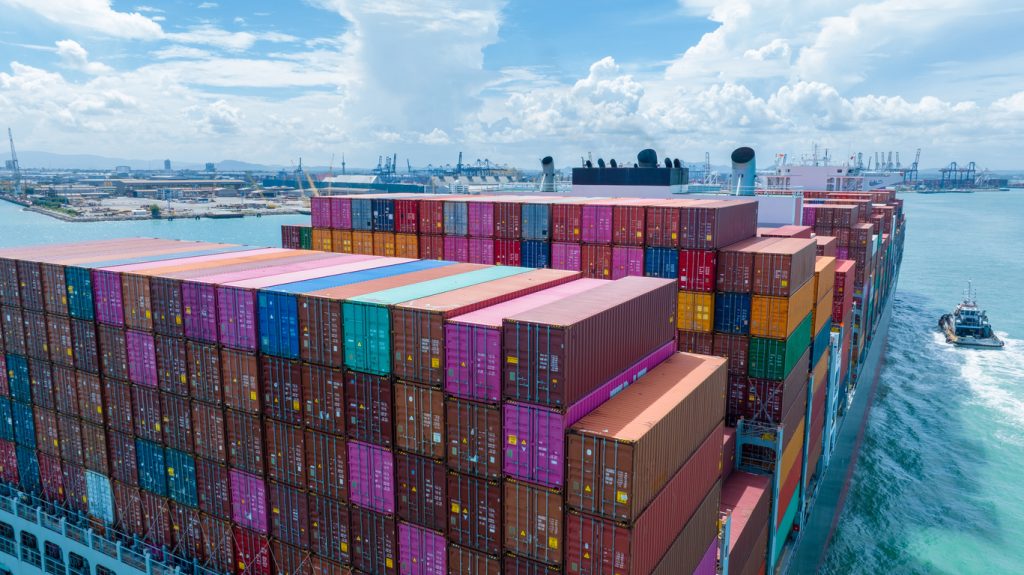
A Nigeria import authorization issue occurs when an importer does not have the required legal approval to bring specific goods into the country, or when the authorization is incorrect, incomplete, or not accepted by relevant agencies.
This is one of the most serious import compliance problems because it affects the legality of the shipment itself. Without proper authorization, cargo can be held indefinitely at ports such as Apapa, Tin Can Island, Onne, or airports like Murtala Muhammed International Airport.
In simple terms, import authorization is the “permission slip” for your goods. If it is missing or wrong, clearance cannot proceed.
What Import Authorization Means in Nigeria
Import authorization refers to official approval granted by regulatory bodies allowing certain goods to enter Nigeria.
Depending on the product type, authorization may involve:
Nigeria Customs Service
National Agency for Food and Drug Administration and Control
Other agencies may also be involved depending on the nature of the goods.
Import authorization confirms:
- The importer is allowed to bring in the product
- The goods meet regulatory standards
- The import complies with Nigerian trade laws
- The shipment is eligible for clearance and release
Common Types of Import Authorization Issues in Nigeria
1. No Authorization Obtained Before Shipment
Goods are shipped without prior approval from relevant agencies.
2. Incorrect Authorization Details
Mismatch between authorization and shipment documents (name, product type, quantity).
3. Expired Authorization
Approval was granted but is no longer valid at the time of import.
4. Wrong Product Classification
Goods fall under a different regulated category than stated in the authorization.
5. Missing Agency Approval
Required regulatory clearance was never secured.
What Happens When There Is an Import Authorization Issue?
When authorities detect an authorization problem, cargo may:
- Be placed on hold at the port or airport
- Be flagged for regulatory review
- Be delayed until correct approval is provided
- Be restricted from release
- In serious cases, be ordered for re-export or seizure
Even if all other documents are correct, authorization is mandatory for controlled goods.
Products Commonly Affected by Authorization Issues
Import authorization is often required for:
- Pharmaceuticals and medical products
- Cosmetics and skincare products
- Food and beverages
- Chemicals and industrial materials
- Agricultural products
- Medical devices and equipment
- Controlled or sensitive goods
These items are regulated to protect health, safety, and national standards.
Why Import Authorization Issues Are Common in Nigeria
1. Lack of Awareness
Many importers do not know authorization is required before shipping.
2. Late Application
Approval is requested after goods have already departed.
3. Incorrect Product Description
Mismatch between declared product and actual goods.
4. Documentation Inconsistency
Shipping documents do not align with regulatory approval.
5. Changing Regulatory Requirements
Rules may differ depending on updated policies or product classification.
Impact of Import Authorization Issues on Importers
A missing or incorrect authorization can lead to:
- Cargo detention at ports or airports
- High storage and demurrage charges
- Delayed customs clearance
- Supply chain disruption
- Loss of business revenue
- Possible confiscation or re-export requirements
For businesses serving Lagos, Abuja, Kano, Port Harcourt, Enugu, and Ibadan, these delays can be financially significant.
Why Import Authorization Is Strictly Enforced
Import authorization exists to:
- Control regulated goods entering Nigeria
- Ensure product safety and quality
- Prevent illegal or unsafe imports
- Enforce national trade compliance rules
- Protect consumers and industries
Without it, customs clearance cannot legally proceed for restricted goods.
How Importers Can Prevent Authorization Issues
Experienced importers usually:
- Confirm authorization requirements before ordering goods
- Apply early through relevant regulatory agencies
- Ensure correct product classification (HS code)
- Match authorization details with shipping documents
- Work with compliance or regulatory consultants when needed
Early planning is the most effective prevention method.
How Import Authorization Affects Customs Clearance
The:
Nigeria Customs Service
cannot finalize clearance for regulated goods without valid import authorization from relevant agencies.
This means cargo may remain on hold even if duties are paid and documents are complete.
How Travo.ng Supports Businesses After Clearance
While import authorization issues affect regulatory approval, businesses still need reliable logistics once cargo is released.
This is where Travo.ng supports importers across Nigeria.
Travo.ng provides:
- Cargo pickup from ports and airports
- Nationwide transportation services
- Interstate logistics coordination
- Commercial cargo delivery
- Distribution support for businesses
- Last-mile delivery solutions
Whether goods are moving from Lagos to Abuja, Kano, Port Harcourt, Enugu, or other destinations, Travo.ng helps ensure smooth movement after clearance.
Final Insight
A Nigeria import authorization issue is one of the most critical barriers in the import process because it determines whether goods are legally allowed into the country. Without proper authorization, shipments can be delayed, detained, or rejected regardless of other documentation. Importers who secure approvals early and ensure consistency across all documents significantly reduce compliance risks and clearance delays.
