


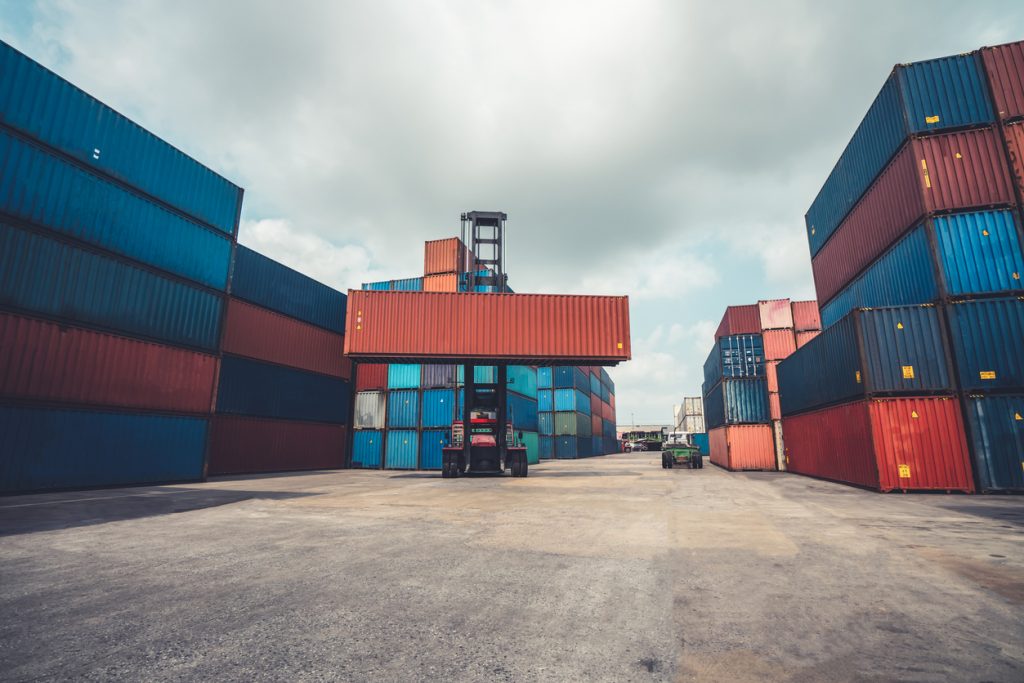
When people search for Nigeria customs consulting, they are usually not looking for theory — they are dealing with real import challenges like delayed clearance at Apapa or Tin Can Island, unexpected duty assessments, valuation disputes, or repeated documentation errors that keep slowing down cargo movement.
Customs consulting in Nigeria is the professional guidance that helps importers understand, plan, and execute imports in line with the requirements of the Nigeria Customs Service and related regulatory agencies before problems happen.
In practice, it is what separates smooth import operations from repeated delays, demurrage, and rising landed costs.
What Nigeria customs consulting actually means
Nigeria customs consulting is advisory and operational support that helps importers manage compliance across the entire import process.
It typically covers:
- Import documentation planning and review
- HS code classification guidance
- Duty and tax estimation before shipment
- Form M and PAAR advisory support
- Regulatory compliance (SONCAP, NAFDAC, etc.)
- Risk assessment for Customs profiling
- Clearance strategy for specific ports like Apapa, Tin Can, or Lekki
Unlike clearing alone, consulting happens before and during import planning, not just at the port.
Why customs consulting is important in Nigeria
Nigeria’s import system is highly regulated and detail-sensitive.
Small mistakes can lead to:
- Cargo delays at the port
- Customs queries or revaluation
- Inspection or scanning holds
- Higher-than-expected duty payments
- Demurrage and storage charges
Customs consulting helps prevent these issues before they occur by aligning import plans with real regulatory requirements.
Common problems customs consulting helps prevent
Most import issues in Nigeria come from avoidable mistakes such as:
- Incorrect HS code classification
- Undervalued or inconsistent invoices
- Missing regulatory approvals
- Late Form M or PAAR processing
- Poor coordination between suppliers and importers
- Lack of pre-arrival compliance planning
A consultant identifies these risks early and helps correct them before cargo arrives in Nigeria.
What happens without customs consulting
Importers who skip proper consulting often experience:
- Cargo being placed on Customs query
- Unexpected duty increases after valuation
- Long inspection delays
- High demurrage charges at Apapa or Tin Can
- Confusion between shipping, clearing, and regulatory steps
In many cases, the issue is not the shipment itself — it is lack of compliance planning before import.
Key areas covered in customs consulting
1. Pre-import planning
Advising on documentation, product classification, and import structure before shipment.
2. HS code advisory
Ensuring goods are correctly classified to avoid valuation disputes.
3. Duty estimation
Helping importers understand realistic landed cost before goods are shipped.
4. Regulatory compliance
Ensuring required approvals (SONCAP, NAFDAC, etc.) are secured in advance.
5. Risk assessment
Evaluating how Customs is likely to profile a shipment and preparing accordingly.
Customs consulting vs customs clearance
These two services are often confused but are different:
- Customs consulting: Planning, compliance advice, and risk prevention before import
- Customs clearance: Execution of documentation and cargo release at the port
Consulting reduces the chances of clearance problems happening in the first place.
Why timing matters in customs consulting
The most effective consulting happens before cargo is shipped.
Once cargo arrives in Nigeria:
- Errors become harder and more expensive to fix
- Inspection risk increases
- Delays escalate quickly due to port congestion
- Demurrage costs start accumulating
Early consulting reduces these risks significantly.
Who needs customs consulting in Nigeria
This service is especially important for:
- Importers bringing in goods regularly
- Businesses importing high-value or regulated products
- First-time importers unfamiliar with Nigerian Customs processes
- Companies dealing with previous clearance delays
- Traders importing from multiple countries or suppliers
The more complex the import, the more valuable consulting becomes.
How customs consulting reduces import costs
Good consulting helps reduce costs by:
- Preventing cargo revaluation and duty increases
- Avoiding unnecessary inspections and delays
- Reducing demurrage and storage charges
- Improving documentation accuracy
- Helping importers plan better shipment timing
In many cases, consulting saves more money than it costs.
Why most import delays are preventable
A large percentage of clearance issues in Nigeria come from:
- Poor planning before shipment
- Lack of regulatory awareness
- Incorrect documentation from suppliers
- Miscommunication between logistics providers
Customs consulting addresses these issues at the source.
How Travo.ng supports customs consulting and import planning in Nigeria
For businesses managing imports into Nigeria, Travo.ng provides structured customs consulting support as part of a broader logistics system.
This includes:
- Pre-shipment import planning and documentation review
- HS code and compliance guidance to reduce clearance risks
- Coordination of Form M and PAAR preparation
- Customs clearance strategy for Nigerian ports
- Integration with shipping and delivery logistics
- End-to-end import coordination for businesses
By aligning consulting with real logistics execution, Travo.ng helps importers reduce errors, avoid delays, and improve overall import efficiency.
