


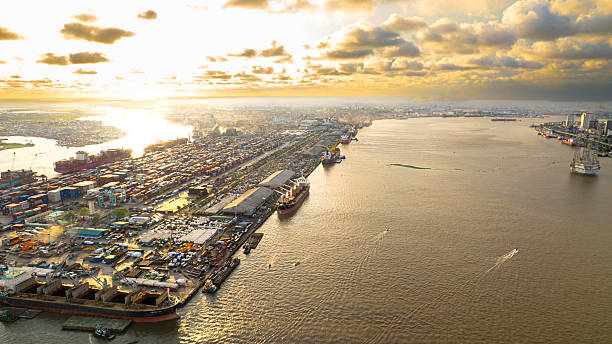
If you’re searching for marine logistics Nigeria Naira billing, you want to move goods through sea transport—imports or exports—while paying for shipping, port handling, and freight services in Naira instead of USD or foreign currency.
This is especially important for:
- Importers bringing goods into Nigeria
- Exporters shipping products abroad
- Oil & gas and industrial cargo operators
- Bulk commodity traders
- Container shipping businesses (FCL/LCL)
What Marine Logistics Means
Marine logistics covers all shipping activities that happen through the sea, including:
- Sea freight container shipping
- Port handling and terminal operations
- Vessel coordination and cargo movement
- Customs clearance at seaports
- Inland delivery from ports to warehouses
- Import and export documentation
In simple terms:
It is everything involved in moving cargo by sea.
Why Marine Logistics Is Usually FX-Based
Traditionally, marine logistics is priced in:
- USD (global shipping standard)
- Sometimes EUR depending on shipping line
This is because:
- Shipping lines operate internationally
- Freight rates are tied to global fuel costs
- Port and terminal charges follow global pricing systems
- Insurance and vessel operations are FX-linked
So Nigerian importers usually needed dollar access.
The Real Problem Businesses Face
Marine logistics becomes difficult when:
- FX is required for payments
- Exchange rate increases shipping cost
- Port charges are unpredictable
- Delays occur due to payment issues
- Budgeting for imports becomes unstable
This affects both small and large-scale importers.
What “Marine Logistics Nigeria Naira Billing” Means
It means:
- Sea freight and port services are priced in Naira
- You receive a local invoice
- Payment is made via Nigerian bank transfer
- No USD or domiciliary account is required
- Logistics provider manages FX conversion internally
In simple terms:
You manage sea freight globally but pay locally in Naira.
How Naira Marine Logistics Works
- Shipment details are submitted
- Cargo is assessed (container or bulk shipment)
- Marine freight cost is calculated
- Total cost is converted into Naira
- Local invoice is issued
- Payment is made in Nigeria
- Cargo is shipped via sea freight
- Goods are cleared and delivered
Example: Importing 20ft Container From China
Traditional method:
- Freight paid in USD
- FX sourcing required
- Port charges paid separately in foreign currency
Naira billing method:
- Fixed Naira quote provided
- Single local payment
- Shipment processed immediately
- Cargo delivered in Nigeria after clearance
What Marine Logistics Services Include
Depending on provider, services may include:
- Sea freight (FCL & LCL container shipping)
- Port handling and terminal operations
- Customs clearance services
- Cargo consolidation
- Import and export documentation
- Inland trucking and delivery
Why Businesses Prefer Naira Marine Billing
For Nigerian importers and exporters, this system helps with:
- No FX or dollar dependency
- Easier cost forecasting
- Better cash flow management
- Reduced import/export risk
- Faster shipping decisions
This is especially important for bulk traders and manufacturers.
Common Mistakes to Avoid
- Not confirming if port charges are included
- Ignoring customs duties and clearing fees
- Assuming all marine logistics companies accept Naira
- Choosing cheapest quote without reliability
- Not understanding total landed cost
How Travo.ng Supports Marine Logistics in Naira
With Travo.ng, businesses can access marine logistics services with Naira billing.
Services include:
- Sea freight container shipping
- Import and export coordination
- Customs clearance support
- Port handling and logistics
- Door-to-door delivery solutions
Process:
- Shipment details submitted
- Naira marine logistics quote provided
- Local payment made in Nigeria
- Cargo shipped via sea freight
Final Insight
Marine logistics becomes more accessible when pricing is handled in Naira.
Instead of dealing with FX uncertainty and complex international payments, businesses get stable pricing, local payment options, and smoother port-to-destination shipping.
