


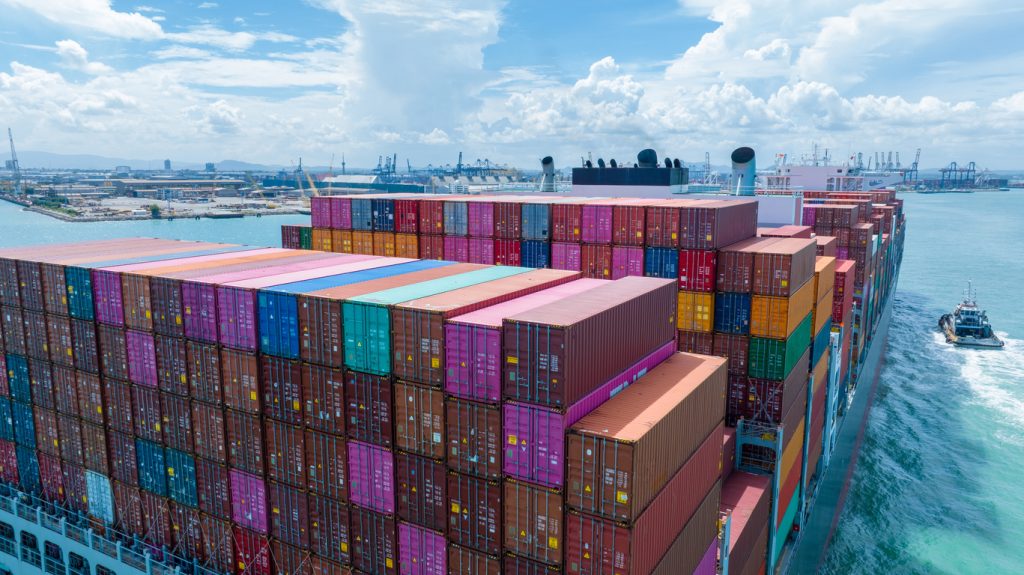
Interstate cargo transport in Nigeria is the system that keeps trade alive between states. From Lagos warehouses to Abuja markets, from Onitsha distribution hubs to Kano industrial zones, almost every product you see in circulation has likely moved through this road-based logistics network.
Most of this movement starts in major commercial and logistics hubs like Apapa Port Complex and Tin Can Island Port, before goods are dispatched across Nigeria’s highways.
But anyone who has worked with interstate logistics knows it is not just “sending a truck.” It is planning, timing, and dealing with real Nigerian road realities.
What Interstate Cargo Transport Actually Means
Interstate cargo transport refers to the movement of goods from one state in Nigeria to another using road haulage systems like trucks, trailers, vans, or specialized cargo vehicles.
In practice, it covers:
- Pickup of goods from ports, warehouses, or factories
- Loading and securing cargo for long-distance travel
- Road transport across state boundaries
- Coordination of delivery schedules
- Tracking and monitoring during transit
- Offloading at warehouses, markets, or business locations
It is the backbone of Nigeria’s domestic supply chain.
Why Interstate Logistics Is So Important in Nigeria
Nigeria depends heavily on road transport because:
- Most imports arrive through Lagos and must be distributed nationwide
- Manufacturing hubs in one state supply products to others
- Retail and wholesale markets rely on cross-state supply chains
- Agriculture and raw materials are moved from rural to urban centers
- Rail infrastructure is still limited for freight movement
Without interstate cargo transport, distribution across Nigeria would slow down drastically.
Major Interstate Cargo Routes in Nigeria
Some of the busiest cargo corridors include:
- Lagos → Abuja (government, retail, and FMCG supply chain)
- Lagos → Kano (large-scale trading and manufacturing goods)
- Lagos → Port Harcourt (oil, industrial, and consumer goods)
- Lagos → Onitsha / Aba (commercial distribution hubs)
- Lagos → Ibadan / Ogun (short-haul industrial logistics)
- Abuja → Northern states (regional redistribution routes)
Each route has different cost, timing, and road risk factors.
What Happens During Interstate Cargo Movement
A proper interstate logistics process usually follows:
- Cargo pickup from port or warehouse
- Truck assignment based on cargo size and weight
- Loading and securing goods
- Route planning based on traffic and road conditions
- Departure and interstate movement
- Tracking and communication during transit
- Delivery to destination warehouse or customer
- Offloading and confirmation
Every step must be coordinated to avoid delays or damage.
Real Challenges in Interstate Cargo Transport in Nigeria
Interstate logistics in Nigeria comes with real operational issues such as:
- Poor road conditions on major highways
- Traffic congestion in and out of Lagos
- Fuel price fluctuations affecting transport costs
- Security checkpoints along interstate routes
- Truck breakdowns during long-distance trips
- Unpredictable weather affecting road travel
These challenges make planning more important than speed.
Why Lagos Controls Most Interstate Cargo Movement
Because of major entry points like:
- Apapa Port Complex
- Tin Can Island Port
Lagos remains the starting point for most interstate cargo in Nigeria. Goods are cleared and then distributed outward to all 36 states.
This makes Lagos the busiest—and often most congested—logistics hub in the country.
Common Mistakes in Interstate Cargo Logistics
Many businesses lose time and money due to avoidable mistakes such as:
- Booking trucks after cargo is already ready for dispatch
- Poor coordination between clearing agents and transporters
- Ignoring traffic and route planning
- Not accounting for delays at checkpoints
- Using unreliable or unverified transport operators
These mistakes often lead to delivery delays and extra costs.
Who Uses Interstate Cargo Transport Services
This system is essential for:
- Importers and wholesalers
- Manufacturing companies
- FMCG and retail distributors
- Construction and engineering firms
- Agricultural traders and suppliers
- E-commerce and nationwide delivery businesses
Any business moving goods across Nigeria depends on it.
What Makes Interstate Transport Work Smoothly
Efficient interstate logistics depends on:
- Early planning before cargo is ready
- Proper truck allocation for each cargo type
- Route optimization before departure
- Real-time communication during transit
- Backup plans for breakdowns or delays
- Coordination between port, warehouse, and delivery teams
Without structure, delays become inevitable.
How Travo.ng Supports Interstate Cargo Transport in Nigeria
Travo.ng provides structured interstate logistics coordination designed to make cargo movement across Nigeria smoother, faster, and more predictable.
Support typically includes:
- Cargo pickup coordination from Lagos ports Apapa Port Complex and Tin Can Island Port
- Truck and trailer arrangement for interstate delivery
- Route planning across major Nigerian highways
- Real-time tracking and shipment updates
- Coordination with clearing and warehouse teams
- Delivery to warehouses, markets, or business locations
- Backup logistics for delays or breakdowns
The focus is on reducing delays, improving coordination, and ensuring goods actually arrive as planned.
For businesses operating across Nigeria, this means fewer disruptions and more reliable supply chains.
