


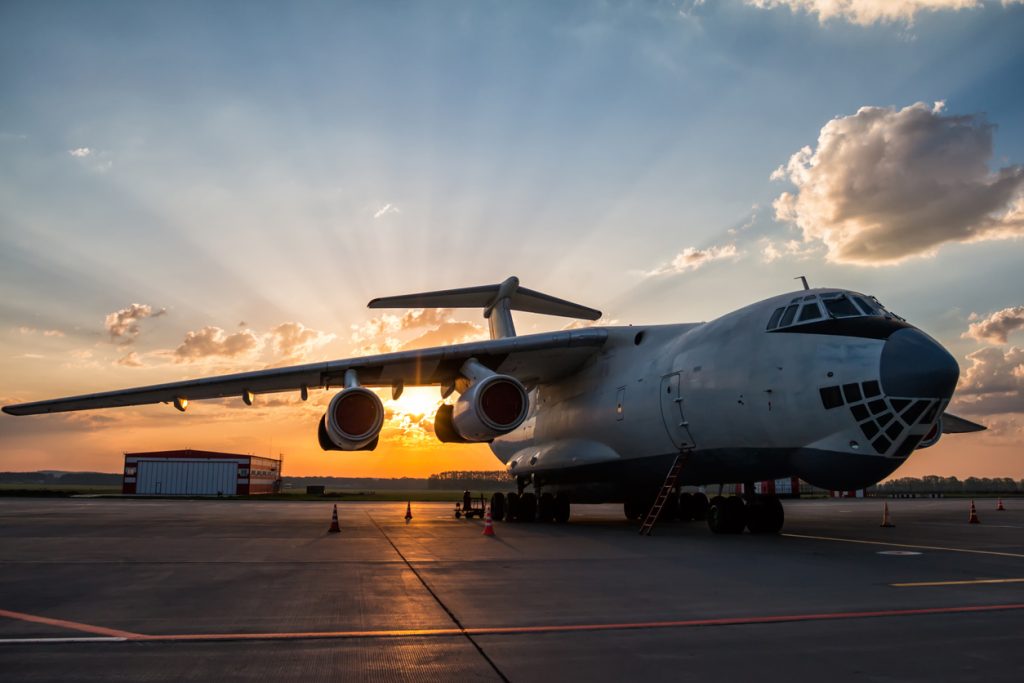
Clearing dangerous or restricted goods through a Nigerian airport is very different from handling ordinary air freight. Hazardous air cargo clearance in Nigeria requires accurate documentation, correct packaging, proper classification, and close coordination between airlines, cargo handlers, customs officials, and the receiving party.
A small mistake can leave a shipment sitting at the cargo terminal while storage charges continue to increase.
For businesses importing chemicals, batteries, medical materials, industrial products, or other regulated goods, the safest approach is to prepare for clearance before the aircraft even arrives. Travo.ng can support the logistics side of the process, including cargo coordination, airport pickup arrangements, onward transportation, and delivery after clearance.
What Usually Slows Hazardous Cargo at Nigerian Airports
One of the most common problems is incomplete paperwork.
Cargo arriving through Murtala Muhammed International Airport in Lagos or Nnamdi Azikiwe International Airport in Abuja may require more than the standard commercial invoice and airway bill. Depending on the goods, supporting documents can include safety data sheets, permits, declarations, certificates, or evidence showing the correct classification of the cargo.
The description on every document should also match. If an invoice describes the shipment differently from the airway bill or supporting paperwork, officers may request clarification before releasing it.
Businesses should confirm documentation requirements with their clearing and regulatory representatives before shipment. Trying to correct errors after arrival usually creates unnecessary delays.
Hazardous Air Cargo Clearance in Nigeria Starts Before Shipping
The best clearance process begins at the point of origin.
Before sending regulated cargo by air, confirm:
- The correct classification of the material
- Whether the airline accepts that category of cargo
- The packaging and labelling requirements
- Whether Nigerian permits or approvals are required
- Who will handle clearance immediately after arrival
- Where the goods will be transported after release
For example, lithium batteries, laboratory chemicals, aerosols, and certain medical products cannot simply be packed like ordinary parcels. Airlines may reject improperly prepared cargo before departure, while incorrectly declared shipments can create problems when they arrive in Nigeria.
Early preparation is usually cheaper than correcting compliance issues at the airport.
Airport Storage Charges Can Turn a Small Delay Into a Large Bill
Time matters during air cargo clearance.
When a shipment lands in Lagos, leaving it at the terminal for several unnecessary days can increase handling and storage costs. The exact amount depends on the cargo terminal, shipment size, weight, category, and how long the goods remain uncleared.
This is particularly important for companies importing production materials or equipment needed urgently in places such as Ikeja, Lekki, Apapa, Ogun State, or other industrial locations.
Once clearance is completed, transport should already be arranged.
Travo.ng can coordinate cargo pickup and onward delivery so businesses do not lose more time searching for suitable transportation after release. Depending on the shipment, this may involve a dedicated vehicle, interstate cargo movement, or delivery to a warehouse or business location.
Moving Cleared Cargo From Lagos to Other States
Airport clearance is only one part of the journey.
A shipment may arrive in Lagos but ultimately need to reach Ibadan, Benin City, Port Harcourt, Abuja, Kano, or another commercial centre. This creates another operational question: how will the goods move safely after leaving the airport?
Sensitive or regulated cargo may require careful vehicle selection, loading arrangements, handling instructions, and delivery scheduling.
For urgent business shipments, arranging transportation before clearance is completed reduces idle time. Travo.ng’s cargo logistics and transport coordination services can help businesses plan airport collection and interstate movement as one connected process instead of treating them as separate jobs.
Avoid Treating Regulated Cargo Like Ordinary Freight
The biggest mistake businesses make is assuming hazardous shipments can follow the same process as standard air cargo.
They usually cannot.
Documentation, packaging, regulatory requirements, airline acceptance, customs procedures, and ground transportation can all require additional attention. Businesses that plan these steps early are far less likely to experience avoidable delays.
If you need hazardous air cargo clearance in Nigeria, Travo.ng can help coordinate the practical logistics surrounding your shipment, from airport cargo arrangements to pickup, transport, and final delivery. Proper preparation keeps goods moving and prevents an urgent shipment from becoming an expensive airport problem.
