


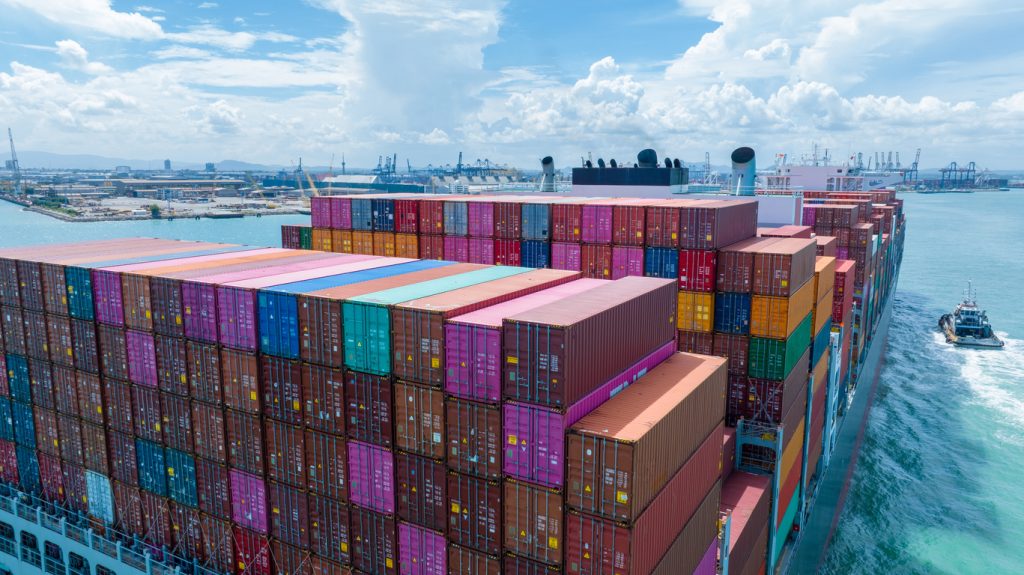
Shipping is one of the few industries that truly operates on a global scale every single day. A vessel might be owned in one country, managed in another, crewed from a third, and sailing cargo across multiple continents at the same time.
Global vessel management services exist to coordinate this complexity. They ensure that ships operating across international waters remain safe, compliant, technically sound, and commercially productive—no matter where they are in the world.
For ship owners, fleet operators, and maritime investors, global vessel management is what turns scattered international operations into a unified, controlled system.
What global vessel management services actually mean
Global vessel management refers to the end-to-end oversight of ships that operate across international routes and jurisdictions.
It typically covers:
- Technical ship management across global ports
- Crew recruitment and international rotation
- Chartering and global commercial operations
- Regulatory compliance across multiple countries
- Fleet performance tracking and optimisation
- Maintenance coordination across shipyards worldwide
- Financial reporting across currencies and regions
In simple terms, it ensures that vessels operate smoothly regardless of where they are in the world.
Why global vessel management is necessary
International shipping introduces layers of complexity that local operations do not face.
Without structured global management, ship owners often deal with:
- Inconsistent compliance across different jurisdictions
- Delays in port operations and documentation
- High maintenance costs due to fragmented servicing
- Crew shortages or rotation inefficiencies
- Currency and payment complications
- Poor vessel utilisation across regions
Global coordination prevents these issues from reducing profitability.
Core components of global vessel management services
1. International technical management
Ships require continuous maintenance regardless of location.
This includes:
- Engine monitoring and global repair coordination
- Hull inspections at international shipyards
- Dry-docking scheduling across regions
- Spare parts logistics across borders
- Emergency repair response anywhere in the world
This ensures vessels remain seaworthy at all times.
2. Global crew management and rotation
Crew operations span multiple countries and maritime labour markets.
Management includes:
- Recruitment of certified international seafarers
- Crew rotation across global routes
- Visa, travel, and documentation coordination
- Payroll management across currencies
- Training aligned with international standards
A stable crew system is essential for safe operations.
3. Global chartering and commercial operations
Revenue generation depends on international cargo movement.
Services include:
- Securing global freight contracts
- Matching vessels to international trade routes
- Managing time and voyage charter agreements
- Optimising vessel deployment across continents
- Reducing empty return voyages
This improves global utilisation and profitability.
4. International compliance and regulation management
Shipping is governed by multiple overlapping regulatory bodies.
Global vessel management ensures compliance with:
- IMO international maritime regulations
- Flag state requirements
- Port state control inspections
- Environmental laws (MARPOL compliance)
- Customs and trade regulations across countries
Non-compliance in any region can disrupt operations globally.
5. Fleet performance and data-driven optimisation
Global fleets require continuous monitoring.
This includes:
- Vessel tracking across oceans and ports
- Fuel efficiency monitoring by region
- Voyage performance analysis
- Maintenance scheduling optimisation
- Fleet-wide benchmarking
Data ensures consistent global performance standards.
6. Financial and multi-currency reporting
International operations involve complex financial structures.
Management covers:
- Revenue tracking across currencies
- Cost allocation per vessel and region
- Operating profit analysis per voyage
- ROI tracking across fleet segments
- Consolidated global reporting for investors
This provides clarity for multinational investors.
Challenges in global vessel operations
Operating across international waters introduces major challenges:
- Port congestion in major global shipping hubs
- Customs and documentation differences by country
- Currency volatility affecting operational budgets
- Time zone differences in coordination
- Political and regulatory changes in trade routes
- Weather disruptions across oceans
Without structured management, these challenges can severely impact efficiency.
Why global vessel management improves profitability
When properly executed, global vessel management leads to:
- Higher vessel utilisation across trade routes
- Reduced downtime between international voyages
- Lower maintenance and repair costs
- Improved charter contract stability
- Better fuel and route efficiency
- Stronger long-term asset performance
The vessel becomes a globally optimised income-generating asset.
Technology used in global vessel management
Modern shipping relies heavily on digital systems such as:
- Real-time satellite vessel tracking
- AI-based route and fuel optimisation tools
- Predictive maintenance platforms
- Global fleet performance dashboards
- Automated compliance monitoring systems
These tools allow managers to coordinate fleets across continents in real time.
Global vessel operations in emerging markets like West Africa
For regions such as Nigeria and West Africa, global shipping management also deals with:
- Limited port infrastructure in some terminals
- Congestion at major ports like Lagos Apapa
- Customs delays and documentation bottlenecks
- Foreign exchange constraints affecting payments
- Growing demand for import/export logistics
These factors make global coordination even more critical.
Where logistics coordination fits into global vessel management
Even highly advanced global fleets depend on logistics systems.
This includes:
- Cargo handling and international freight forwarding
- Port operations coordination across countries
- Spare parts and supply chain logistics
- Inland distribution of imported goods
Delays anywhere in the chain can impact global vessel performance.
How Travo.ng supports maritime logistics coordination
While global vessel management focuses on international shipping operations, logistics coordination ensures smooth movement of cargo and support services across regions.
Travo.ng supports maritime-related operations through:
- Cargo consolidation and freight coordination
- Import and export logistics planning
- Port-to-destination delivery services
- Supply chain coordination across Nigeria
- End-to-end logistics execution for cargo movement
This helps reduce delays that affect global vessel turnaround time and operational efficiency.
Final thoughts
Global vessel management services are essential for coordinating complex international shipping operations. Without structured oversight, vessels face inefficiencies, compliance risks, and reduced profitability across global trade routes.
With professional management systems in place, ship owners can operate confidently across multiple countries, improve fleet performance, and maximise long-term returns.
In modern maritime trade, success is no longer local—it is global, and vessel management must be global to match it.
