


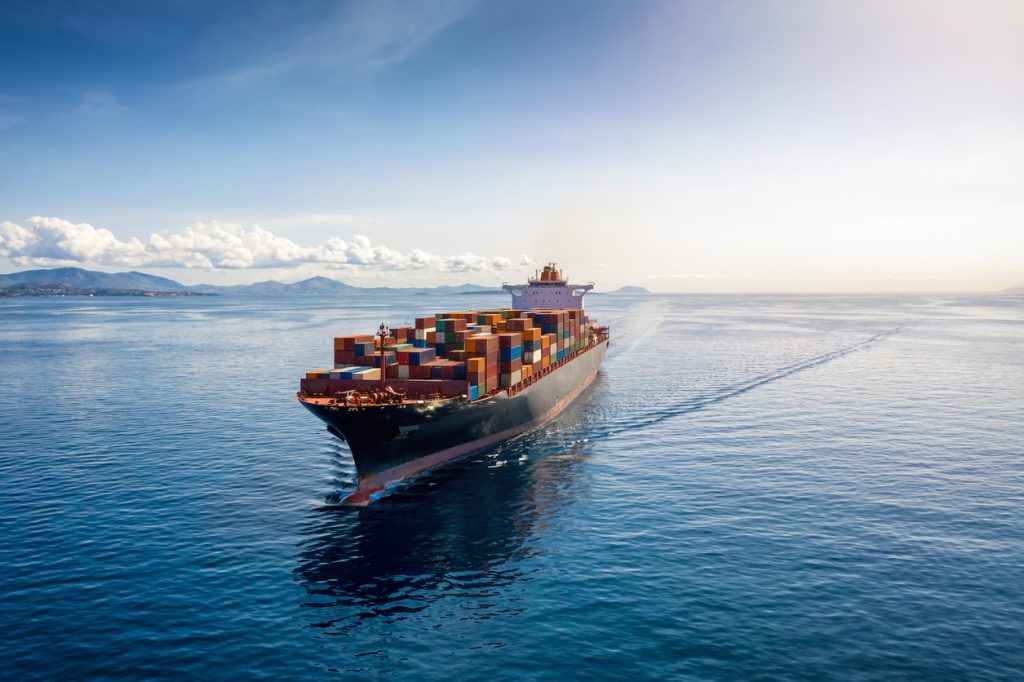
Freight and Cargo Services Nigeria: How Goods Move From Global Trade Into Local Markets
Freight and cargo services in Nigeria sit at the center of almost every import and export activity in the country. Whether it’s containers coming in from China, machinery for factories, or goods moving from Lagos to other states, freight logistics is what connects international trade to local business operations.
Most of this activity begins at major entry points like Apapa Port Complex and Tin Can Island Port, where thousands of containers are processed, cleared, and moved into the Nigerian economy every week.
But freight is not just about shipping—it is about coordination across sea, air, and land until goods reach their final destination.
What Freight and Cargo Services Actually Cover
Freight and cargo services refer to the full logistics process of moving goods locally or internationally using sea, air, or road transport.
In practical terms, it includes:
- International shipping (sea and air freight)
- Cargo pickup and consolidation
- Customs clearance and documentation
- Container handling at ports
- Inland transportation across Nigeria
- Warehousing and distribution support
- Door-to-door delivery services
- Shipment tracking and coordination
It is a complete end-to-end supply chain system.
Why Freight Services Are Critical in Nigeria
Nigeria’s economy depends heavily on imported goods and interstate distribution, which makes freight logistics essential because:
- Businesses rely on imported raw materials
- Retail markets depend on imported finished goods
- Manufacturing requires regular cargo supply
- Agriculture and exports need organized shipment channels
- E-commerce depends on efficient delivery systems
Without freight services, supply chains would break down quickly.
Where Most Freight Operations Begin in Nigeria
The busiest freight entry points are:
- Apapa Port Complex
- Tin Can Island Port
- Murtala Muhammed International Airport
From these hubs, cargo is distributed across Lagos and then transported to other parts of Nigeria.
Types of Freight Services in Nigeria
Freight services in Nigeria generally fall into three main categories:
Sea Freight
- Used for bulk and container shipments
- Most cost-effective for large cargo
- Ideal for imports and exports
Air Freight
- Fastest shipping method
- Used for urgent and high-value goods
- Higher cost but quicker delivery
Road Freight
- Used for domestic cargo movement
- Handles door-to-door delivery across Nigeria
- Connects ports and airports to final destinations
Each method plays a different role in the logistics chain.
What Happens in a Typical Freight Process
A standard freight operation follows this flow:
- Cargo booking and shipment arrangement
- International transport (sea or air)
- Arrival at Nigerian port or airport
- Customs clearance and documentation processing
- Cargo release and terminal handling
- Trucking and inland logistics coordination
- Final delivery to warehouse or customer
Delays at any stage can affect the entire supply chain.
Real Challenges in Freight and Cargo Services in Nigeria
Freight logistics in Nigeria is functional but comes with operational realities such as:
- Port congestion and vessel delays
- Customs clearance bottlenecks
- High demurrage and storage charges
- Truck shortages during peak periods
- Traffic congestion in Lagos logistics corridors
- Unpredictable delivery timelines
These challenges make coordination and experience extremely important.
Why Coordination Matters More Than Shipping
Many importers assume freight ends when cargo arrives in Nigeria, but the real work begins after arrival.
Key coordination points include:
- Aligning clearance with truck availability
- Avoiding delays that cause demurrage charges
- Managing warehouse delivery schedules
- Tracking cargo movement in real time
- Handling unexpected delays or inspections
Without coordination, even simple shipments can become expensive.
Who Uses Freight and Cargo Services in Nigeria
Freight services are essential for:
- Importers and wholesalers
- Manufacturing companies
- Retail and distribution businesses
- Construction and engineering firms
- Oil and gas suppliers
- Agricultural exporters and traders
Any business dealing with physical goods depends on freight logistics.
Common Mistakes in Freight Logistics
Many delays in Nigeria come from avoidable mistakes such as:
- Poor documentation before shipment arrival
- Not planning truck logistics in advance
- Using multiple uncoordinated agents
- Ignoring port congestion conditions
- Delayed customs processing preparation
These mistakes often increase cost and delivery time.
How Travo.ng Supports Freight and Cargo Services in Nigeria
Travo.ng provides structured freight and cargo logistics support designed to simplify shipping from origin to final delivery.
Support typically includes:
- Sea and air freight coordination through Apapa and Tin Can ports Apapa Port Complex and Tin Can Island Port
- Customs clearance and documentation assistance
- Cargo handling and container release coordination
- Inland haulage and nationwide delivery
- Real-time shipment tracking and updates
- Door-to-door logistics management
- Backup planning for delays or congestion
The focus is on making freight movement smoother, more predictable, and fully managed across every stage.
For businesses in Nigeria, this means fewer delays, better cost control, and more reliable supply chain operations.
