


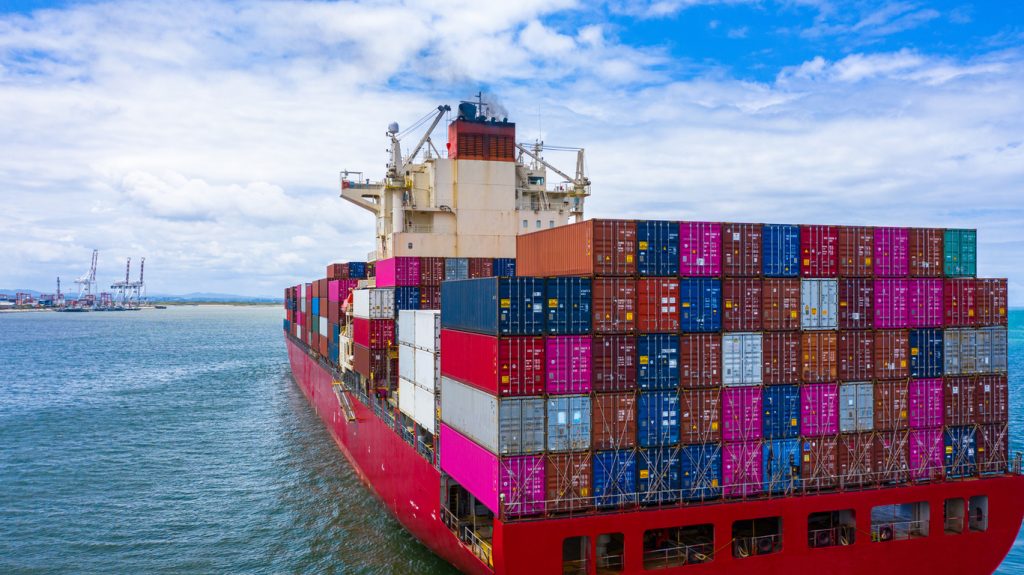
Electronics import compliance in Nigeria refers to all regulatory, customs, and certification requirements that must be met before electronic goods can be legally imported, cleared, and sold in the Nigerian market.
Because electronics are classified as regulated consumer products, importers bringing items through Apapa Port, Tin Can Island Port, Onne Port, Port Harcourt Port, or Murtala Muhammed International Airport must comply with strict standards. Failure to comply often leads to delays, inspections, or seizure.
In simple terms, electronics import compliance ensures your devices meet Nigerian safety, certification, and customs requirements before they enter the country.
Key Authorities for Electronics Import Compliance
Electronics importation is regulated by multiple agencies, including:
Standards Organisation of Nigeria
Nigeria Customs Service
Depending on the product type, additional approvals may also be required from other regulatory bodies.
These agencies ensure that imported electronics are safe, correctly classified, and properly documented before release.
What Electronics Import Compliance Covers
1. SONCAP Certification (Major Requirement)
Most electronics require SONCAP approval to confirm conformity with Nigerian standards.
2. Product Classification (HS Code)
Correct classification determines:
- Import duty rate
- Regulatory requirements
- Inspection risk level
3. Customs Documentation
Required documents include:
- Commercial invoice
- Packing list
- Bill of lading or airway bill
- Certificate of origin
- SONCAP certificate (if applicable)
4. Import Duty & VAT Compliance
Electronics are subject to import duty and VAT under Nigerian customs regulations.
5. Regulatory Verification
Customs may verify product authenticity and compliance before release.
Electronics That Require Import Compliance in Nigeria
Common regulated electronics include:
- Mobile phones and accessories
- Laptops and computers
- Televisions and monitors
- Air conditioners
- Refrigerators and freezers
- Electrical appliances
- Audio and video equipment
- Industrial electronic devices
Common Electronics Import Compliance Problems
Missing SONCAP Certificate
Goods arrive without required conformity certification.
Incorrect HS Code Classification
Leads to wrong duty calculation and clearance delays.
Documentation Mismatch
Differences between invoice, packing list, and shipping documents.
Product Specification Errors
Mismatch between declared and actual product type.
Late Compliance Processing
Certification not completed before shipment departure.
What Happens When Electronics Are Not Compliant?
If compliance requirements are not met, cargo may:
- Be held at the port or airport
- Be sent for physical inspection
- Accumulate storage and demurrage charges
- Face customs clearance delays
- Be rejected or re-exported in severe cases
Even if goods are already in Nigeria, they cannot be released without compliance.
Why Electronics Compliance Is Strict in Nigeria
Electronics are regulated because they:
- Require electrical safety certification
- Must meet performance standards
- Can pose safety risks if substandard
- Are high-value and prone to misclassification
- Require proper technical verification
This makes compliance essential before market entry.
How Importers Can Ensure Compliance for Electronics
Experienced importers typically:
- Confirm SONCAP requirements before purchase
- Obtain certification before shipment
- Use correct HS classification from the start
- Ensure supplier provides accurate specifications
- Align all shipping documents properly
- Work with compliance consultants when needed
Pre-shipment preparation is the most effective way to avoid delays.
Electronics Import Compliance and Customs Clearance
The:
Nigeria Customs Service
works with SON to verify compliance before releasing regulated electronics.
If documents are incomplete or incorrect, clearance will be delayed regardless of duty payment.
How Travo.ng Supports Businesses After Clearance
While electronics import compliance ensures regulatory approval, businesses still need reliable logistics after cargo release.
This is where Travo.ng supports importers across Nigeria.
Travo.ng provides:
- Cargo pickup from ports and airports
- Nationwide transportation services
- Interstate logistics coordination
- Commercial cargo delivery
- Distribution support for businesses
- Last-mile delivery solutions
Whether electronics are moving from Lagos to Abuja, Kano, Port Harcourt, Enugu, or other destinations, Travo.ng ensures smooth movement after clearance.
Final Insight
Electronics import compliance in Nigeria is essential for ensuring that imported devices meet safety, quality, and regulatory standards. Without proper compliance—especially SONCAP certification—electronics can face delays, inspections, or rejection at customs. Importers who prepare early and ensure accurate documentation significantly improve clearance speed and reduce import risks.
