


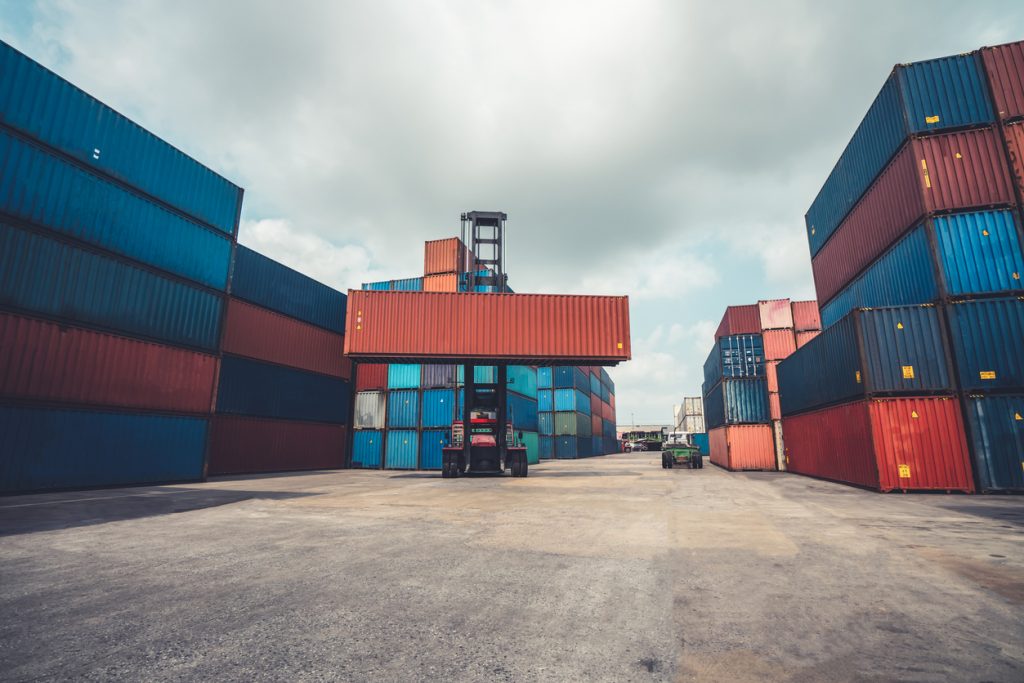
A contaminated goods claim in Nigeria is an insurance or liability claim made when imported or exported goods become unsafe, damaged, or unusable due to contamination during shipping, handling, storage, or transportation. The claim is filed to recover financial losses caused by chemical, biological, moisture, odor, or other forms of contamination.
In simple terms, it is a request for compensation when goods are spoiled or made unusable due to contamination.
Types of Contamination Covered in Claims
1. Chemical Contamination
- Fuel or oil leakage
- Industrial chemical exposure
- Cleaning agent contamination
2. Biological Contamination
- Mold growth
- Pest infestation
- Bacterial contamination (common in food cargo)
3. Moisture Damage
- Water leakage
- Container rain (condensation)
- Flood exposure
4. Odor Contamination
- Strong smells from previous cargo
- Fumigation chemical residue
- Industrial odor absorption
5. Cross-Contamination
- Mixing incompatible cargo
- Improper storage conditions
When You Can File a Contaminated Goods Claim
You can file a claim when:
- Goods are damaged or unsafe on arrival
- Contamination occurred during transit or storage
- Container seal was intact but goods are still affected
- Surveyor confirms contamination
- Loss has financial impact
Step-by-Step Process for Contaminated Goods Claim in Nigeria
1. Detect and Inspect Immediately
Check cargo upon arrival for:
- Smell
- Moisture
- Visible damage
- Packaging condition
2. Isolate the Affected Cargo
Prevent contamination from spreading to other goods.
3. Document Evidence
Collect:
- Photos and videos
- Container number and seal details
- Delivery records
- Inspection notes
4. Notify Stakeholders
Inform:
- Insurance company
- Freight forwarder
- Shipping line
- Warehouse operator
5. Request Cargo Survey
A professional surveyor will:
- Identify cause of contamination
- Assess extent of damage
- Estimate financial loss
- Determine liability
6. Submit Insurance Claim
Provide:
- Insurance certificate
- Bill of lading
- Commercial invoice
- Packing list
- Survey report
- Evidence of contamination
7. Claim Evaluation
The insurer reviews:
- Policy coverage
- Cause of contamination
- Documentation validity
8. Settlement or Rejection
Outcome may be:
- Full compensation
- Partial payment
- Claim rejection (if excluded risk applies)
Common Challenges in Contaminated Goods Claims in Nigeria
1. Poor Documentation
Missing records delay or weaken claims.
2. Late Reporting
Delayed claims reduce chances of approval.
3. Unclear Liability
Difficulty proving where contamination occurred.
4. Inadequate Insurance Coverage
Some policies exclude certain contamination risks.
5. Lack of Proper Evidence
Weak photos, reports, or survey findings.
How to Strengthen a Contaminated Goods Claim
1. Act Quickly
Report immediately after discovery.
2. Keep Full Documentation
Ensure consistency across:
- Shipping documents
- Inspection reports
- Delivery records
3. Use Professional Surveyors
Independent reports improve claim credibility.
4. Maintain Seal Records
Seal integrity helps prove transit condition.
5. Use End-to-End Tracking
Helps identify point of contamination.
Who Is Involved in the Claim Process?
- Insurance companies
- Cargo surveyors
- Freight forwarders
- Shipping lines
- Customs/port authorities (in some cases)
- Logistics providers
Prevention of Contamination Claims
1. Use Clean Containers
Inspect and ensure containers are:
- Dry
- Odor-free
- Chemical-free
2. Proper Cargo Segregation
Do not mix:
- Food and chemicals
- Pharmaceuticals and industrial goods
3. Strong Packaging
Use:
- Moisture barriers
- Sealed packaging
- Protective liners
4. Reduce Transit Delays
Shorter exposure reduces risk.
5. Proper Warehouse Conditions
Ensure:
- Ventilation
- Pest control
- Clean storage
6. Reliable Logistics Partners
Proper handling reduces contamination risk.
Role of Insurance in Contaminated Goods Claims
Cargo insurance may cover:
- Transit contamination
- Moisture damage
- Chemical exposure
- Odor contamination (depending on policy)
Coverage depends on:
- Policy terms
- Proof of cause
- Cargo type
How Travo.ng Supports Businesses After Clearance
While contaminated goods claims deal with loss recovery, preventing such issues starts with proper logistics handling.
This is where Travo.ng supports businesses across Nigeria.
Travo.ng provides:
- Cargo pickup from ports and airports
- Nationwide transportation services
- Interstate logistics coordination
- Commercial cargo delivery
- Distribution support for businesses
- Last-mile delivery solutions
Careful handling reduces exposure risks after import clearance.
Final Insight
A contaminated goods claim in Nigeria is essential for recovering losses from damaged or unsafe cargo. Success depends on early detection, proper documentation, professional surveys, and adequate insurance coverage. Strong logistics practices significantly reduce the likelihood of contamination and claims.
