


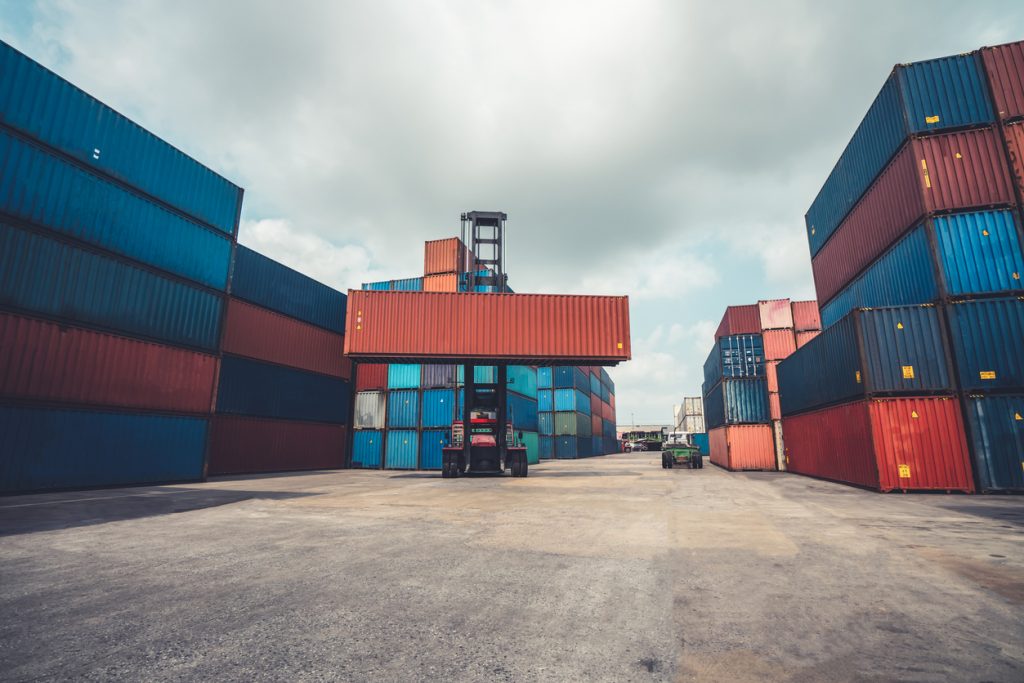
When a container is selected for scanning in Nigeria, it means the Nigeria Customs Service (NCS) has chosen the shipment to be inspected using a scanning machine (non-intrusive inspection) before it can be released from the port.
This usually happens at ports like Apapa Port, Tin Can Island Port, and Lekki Deep Sea Port.
Unlike physical examination, scanning does not always require opening the container, but it still affects clearance time.
What It Means When a Container Is Selected for Scanning
It means:
- Your container will pass through a Customs scanning machine
- The cargo will be checked for consistency and compliance
- Customs will compare scanned images with declaration documents
- Release will only happen after clearance approval
In simple terms:
Your container is being electronically inspected before release.
Why Containers Are Selected for Scanning in Nigeria
1. Risk-Based Selection System
Customs uses risk profiling to select containers based on:
- Importer history
- Type of goods
- Country of origin
- Declared value and consistency
2. Random Selection
Some containers are selected randomly to:
- Maintain compliance checks
- Prevent smuggling
- Ensure system transparency
3. Verification of Cargo Declaration
Scanning helps confirm:
- Quantity of goods
- Type of goods
- Accuracy of declaration
4. Suspicious or Sensitive Cargo
Containers may be selected if they contain:
- Electronics
- Machinery
- Pharmaceuticals
- High-value goods
5. Regulatory Control
Other agencies may influence scanning:
- SON (Standards Organization of Nigeria)
- NAFDAC (food and drugs)
- NDLEA (controlled substances)
How Container Scanning Works in Nigeria
- Container arrives at terminal
- Customs flags container for scanning
- Container is moved to scanning point
- Machine scans the container (X-ray type system)
- Customs reviews scanned images
- If approved → container is released
- If issues found → physical examination may follow
Types of Scanning Outcomes
1. Clear Scan (Fast Release)
- No issues detected
- Cargo matches declaration
- Container is released quickly
2. Query Scan
- Minor inconsistencies detected
- Customs may request documents or clarification
3. Secondary Inspection Required
- Scanned image raises concerns
- Container may be opened for physical examination
Effects of Container Scanning Selection
1. Clearance Delay
Even though scanning is faster than physical inspection, it still adds processing time.
2. Possible Port Charges
Delays can lead to:
- Demurrage
- Terminal storage charges
- Detention (if return is delayed after pickup)
3. Additional Documentation Requests
Customs may ask for:
- Invoice clarification
- HS code correction
- Proof of payment
Benefits of Container Scanning
Despite delays, scanning helps:
- Reduce physical container opening
- Speed up inspection compared to manual checks
- Improve port security
- Detect undeclared or restricted goods
How to Reduce Delays When Container Is Selected for Scanning
1. Ensure Accurate Documentation
- Correct invoice value
- Proper HS classification
- Matching shipping details
2. Work With Experienced Clearing Agents
They help:
- Prevent documentation errors
- Speed up Customs communication
- Resolve scanning queries faster
3. Pre-Clear Cargo Before Arrival
- Process Form M early
- Secure PAAR in advance
4. Respond Quickly to Customs Queries
Delays in response increase storage and demurrage costs.
5. Plan Logistics Early
- Book trucks in advance
- Avoid evacuation delays after release
Scanning vs Physical Examination
| Type | Method | Speed | Impact |
|---|---|---|---|
| Scanning | Machine inspection | Faster | Less disruption |
| Physical exam | Manual inspection | Slower | Higher delay risk |
Key Insight
Container scanning in Nigeria is part of Customs modernization. It is less invasive than physical inspection but still requires proper coordination to avoid delays and extra port charges.
Most delays happen not because of scanning itself, but due to documentation issues or slow response during clearance.
Final Thoughts
When a container is selected for scanning in Nigeria, it means Customs is verifying your cargo electronically before release. It is a standard process designed to improve security and compliance.
To avoid delays, importers should focus on:
- Accurate documentation
- Early clearance preparation
- Fast communication with Customs
- Efficient logistics coordination
Structured planning and timing systems—like those supported by Travo (Travo.ng)—help reduce clearance delays by improving coordination between importers, agents, and transport providers across Nigerian ports.
