


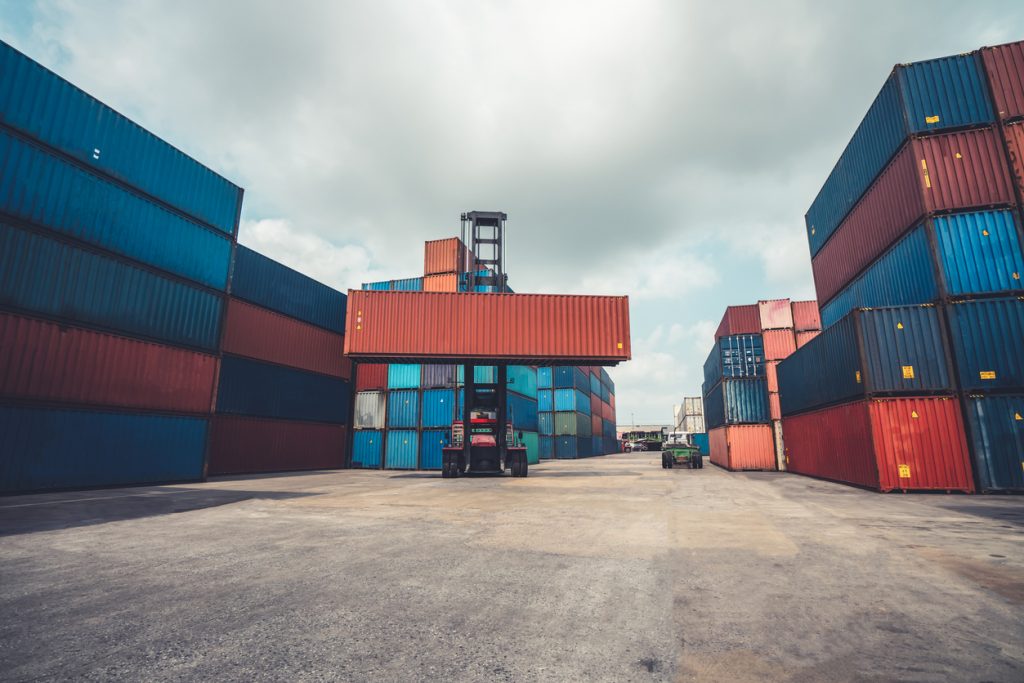
When people search for container release services Nigeria, they are usually at the final stage of the import process — cargo has already arrived at Apapa, Tin Can Island, or Lekki Port, but it is still stuck behind Customs clearance, terminal processes, or shipping line approvals.
Container release is the last step in the import chain, but in Nigeria, it is also one of the most sensitive stages because delays here directly lead to demurrage, storage fees, and truck scheduling problems.
These services are closely tied to the operations of the Nigeria Customs Service, shipping lines, and terminal operators working together at the ports.
What container release services actually mean in Nigeria
Container release services refer to all the activities required to officially free a container from port custody so it can be taken out of the terminal.
This includes:
- Completing customs clearance approval
- Paying import duties and terminal charges
- Obtaining shipping line delivery order
- Securing terminal release authorization
- Coordinating container pickup (haulage/trucking)
Without completing all these steps, your container cannot leave the port.
Why container release is a critical stage in import operations
At Nigerian ports, container release is where most import delays become expensive.
Once cargo is released:
- Demurrage stops (if container is evacuated quickly)
- Storage fees can be minimized
- Goods can be delivered to warehouse or customer
- Business operations can continue normally
If release is delayed, costs continue to accumulate daily.
Steps involved in container release in Nigeria
1. Customs clearance approval
Before release, Customs must approve the shipment after:
- Document verification
- HS code confirmation
- Duty assessment and payment
- Inspection (if required)
Without clearance, no release is possible.
2. Shipping line delivery order
After Customs clearance, the shipping line issues a delivery order confirming that the container can be released.
3. Terminal release processing
The terminal operator verifies:
- Customs clearance status
- Shipping line authorization
- Storage fee payments (if any)
Once confirmed, release is scheduled.
4. Truck booking and container pickup
Finally, a truck is arranged to move the container out of the port.
Delays at this stage often happen due to:
- Truck unavailability
- Congested port access roads
- Poor coordination between agent and transporter
Why container release gets delayed in Nigerian ports
Even after clearance, containers can still be stuck due to:
- Late Customs clearance approval
- Valuation disputes or document queries
- Unpaid terminal or shipping line charges
- Poor coordination between agents
- Congestion at Apapa and Tin Can terminals
- Truck scheduling delays
This is why release is not just a legal process — it is also a logistics coordination challenge.
The role of Customs in container release
The Nigeria Customs Service plays a key role by ensuring:
- All duties and taxes are correctly paid
- Cargo matches declared documentation
- No regulatory violations exist
- Risk profiling has been cleared
Once Customs releases the cargo, the process moves to shipping lines and terminals.
How container release affects import costs
Delays in container release directly increase costs through:
- Demurrage charges from shipping lines
- Terminal storage fees
- Truck rescheduling costs
- Business delivery delays
- Extra handling charges
Even a few days of delay can significantly increase total landed cost.
How experienced importers speed up container release
Importers who avoid delays usually:
- Complete documentation before cargo arrival
- Start clearance processing early (pre-arrival)
- Ensure duties are paid immediately after assessment
- Pre-book trucks before release approval
- Coordinate agents, shipping lines, and terminals in advance
The goal is simple: remove gaps between clearance and pickup.
Container release differences across Nigerian ports
- Apapa Port: High congestion, release delays often due to traffic and terminal backlog
- Tin Can Island Port: Moderate congestion, faster when documentation is correct
- Lekki Deep Sea Port: More structured system, faster release when pre-booking is done properly
Each port has different operational challenges, but coordination remains the key factor everywhere.
How Travo.ng supports container release services in Nigeria
For importers and businesses handling cargo through Nigerian ports, Travo.ng helps streamline container release by coordinating every stage of the logistics process.
This includes:
- Pre-arrival import planning to reduce clearance delays
- Coordination with clearing agents for faster processing
- Shipping line and terminal pickup scheduling support
- Trucking and container evacuation after release
- End-to-end logistics management for business imports
By improving coordination between clearance and transport, Travo.ng helps reduce the delays that usually cause high demurrage and storage costs.
