


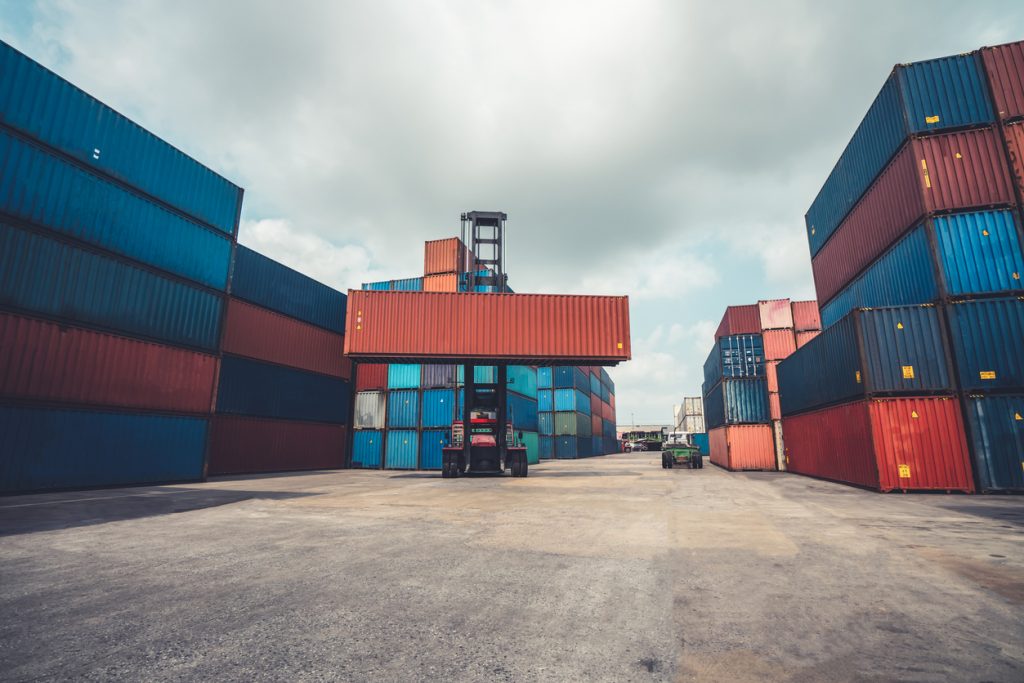
Importing a container into Nigeria can look straightforward on paper. A supplier ships the goods, the vessel arrives, Customs clears the cargo, and delivery is made. In reality, container imports often involve multiple moving parts that must be coordinated correctly to avoid delays, unexpected costs, and operational disruptions.
When businesses search for container import solutions Nigeria, they are usually looking for a reliable way to manage the entire process—from shipment planning and documentation to customs clearance and final delivery.
The most successful importers treat container imports as a complete logistics operation rather than a series of separate tasks.
Why container imports become challenging in Nigeria
Nigeria handles a significant volume of containerized cargo through major ports such as Apapa Port, Tin Can Island Port, and Lekki Deep Sea Port.
While these ports play a critical role in supporting trade, importers often encounter challenges such as:
- Customs clearance delays
- Documentation inconsistencies
- Demurrage charges
- Terminal storage fees
- Trucking and evacuation bottlenecks
- Port congestion during peak periods
- Regulatory compliance requirements
Without proper planning, even a routine container shipment can become more expensive than expected.
What a complete container import solution should include
An effective container import solution covers every stage of the shipment journey.
Pre-shipment planning
Many import problems begin before cargo leaves the supplier.
Proper planning involves:
- Reviewing shipping documentation
- Confirming HS code classifications
- Verifying supplier information
- Preparing Form M requirements
- Identifying regulatory approvals that may be needed
Addressing these issues early reduces the likelihood of clearance delays after arrival.
International freight coordination
The shipping stage involves selecting the most suitable freight option based on:
- Cargo type
- Delivery timeline
- Budget requirements
- Port destination
Businesses importing large volumes often benefit from coordinated freight planning that aligns shipping schedules with customs and delivery timelines.
Customs clearance management
Once a container arrives in Nigeria, customs clearance becomes one of the most important stages.
This process typically includes:
- Documentation verification
- Duty assessment
- PAAR processing
- Customs declaration submission
- Inspection or scanning where required
- Release approval
Errors during this stage can result in costly delays and additional charges.
The importance of fast container evacuation
Many importers focus heavily on clearance but overlook container evacuation.
Once cargo has been released:
- Trucks must be available promptly
- Pickup schedules should be coordinated
- Delivery destinations must be prepared
A cleared container that remains in the terminal can still accumulate charges.
Efficient evacuation is a critical component of any successful container import solution.
Common causes of container import delays
Several issues frequently affect container imports in Nigeria:
Documentation discrepancies
Differences between invoices, packing lists, and shipping documents can trigger Customs queries.
Classification errors
Incorrect HS codes may lead to reassessment, valuation reviews, or inspection requirements.
Late compliance preparation
Waiting until cargo arrives before addressing regulatory requirements often causes avoidable delays.
Poor stakeholder coordination
When freight forwarders, clearing agents, transport providers, and importers operate independently, communication gaps can slow the entire process.
How businesses reduce import costs
Experienced importers focus on cost prevention rather than cost correction.
Strategies include:
- Completing compliance checks before shipment
- Preparing documentation early
- Tracking shipments proactively
- Coordinating trucking before release
- Avoiding unnecessary storage and demurrage charges
In many cases, reducing delays has a greater impact on total import costs than negotiating lower freight rates.
Container imports through Apapa, Tin Can, and Lekki
Each major Nigerian port presents different operational realities.
Apapa Port
Apapa remains one of Nigeria’s busiest ports and handles a large volume of container traffic. Proper planning is essential to manage congestion-related challenges.
Tin Can Island Port
Tin Can handles significant import volumes and often serves businesses importing containerized commercial goods.
Lekki Deep Sea Port
Lekki Port offers modern infrastructure and streamlined operations, making it an increasingly attractive option for many importers.
Regardless of the port used, documentation accuracy and logistics coordination remain the keys to successful container movement.
What businesses should look for in a container import partner
A reliable container import solution provider should offer:
- Import planning support
- Customs clearance coordination
- Documentation guidance
- Freight management
- Port pickup planning
- Inland transportation support
- Ongoing shipment visibility
The objective is to create a seamless flow from origin to destination.
How Travo.ng supports container imports in Nigeria
Travo.ng helps businesses manage container imports through coordinated logistics solutions designed for Nigerian trade realities.
Services may include:
- Import planning and shipment coordination
- Freight forwarding support
- Customs clearance coordination
- Documentation assistance
- Container pickup and evacuation planning
- Inland delivery across Nigeria
- Business logistics support for recurring imports
By coordinating multiple stages of the import process, Travo.ng helps businesses reduce delays, improve cargo visibility, and move containers more efficiently from port to final destination.
