


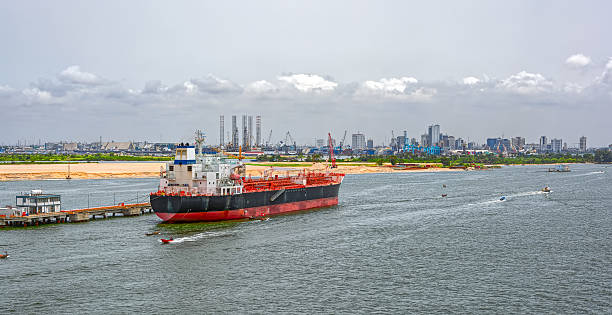
Commercial shipping looks straightforward from the outside—vessels move cargo between ports, contracts are signed, and goods arrive at their destination. But behind every successful voyage is a structured system of operations that keeps the vessel safe, compliant, and financially productive.
A commercial vessel operating company is the organisation responsible for running ships on a daily basis, ensuring they are not just seaworthy, but also commercially efficient and profitable.
For ship owners, logistics companies, and maritime investors in Nigeria and global trade corridors, these companies are the operational backbone of the entire shipping ecosystem.
What a commercial vessel operating company actually does
A commercial vessel operating company manages the full lifecycle of vessel operations on behalf of owners or charterers.
Core responsibilities include:
- Vessel deployment and voyage planning
- Cargo booking and charter management
- Crew coordination and onboard operations
- Technical maintenance supervision
- Fuel and cost efficiency control
- Port operations and scheduling
- Compliance with maritime regulations
- Financial performance tracking
In simple terms, they make sure ships don’t just exist—they work, earn, and stay efficient.
Why commercial vessel operating companies are essential
Operating a vessel requires constant coordination across multiple moving parts.
Without professional operators, ship owners often face:
- Poor vessel utilisation and idle time
- High fuel and maintenance costs
- Delayed voyages and port inefficiencies
- Crew mismanagement and safety risks
- Chartering gaps and lost revenue opportunities
- Regulatory compliance failures
A vessel that is not actively managed loses money quickly, even if it is fully functional.
Core functions of a commercial vessel operating company
1. Voyage planning and vessel deployment
Every voyage must be carefully planned for efficiency and profitability.
This includes:
- Route selection based on fuel and time efficiency
- Scheduling departure and arrival times
- Matching vessels to suitable cargo types
- Avoiding congestion at major ports
- Reducing ballast (empty) voyages
Good planning directly improves revenue per trip.
2. Chartering and commercial management
Revenue generation is a core responsibility.
Operators handle:
- Securing cargo contracts
- Negotiating freight rates
- Managing time charter and voyage charter agreements
- Coordinating long-term and spot contracts
- Reducing idle vessel time
This ensures vessels remain commercially active.
3. Crew management and onboard operations
Crew performance directly affects vessel safety and efficiency.
Management includes:
- Hiring qualified maritime personnel
- Crew rotation and scheduling
- Payroll and welfare management
- Safety training and onboard discipline
- Fatigue management and compliance
A well-managed crew reduces operational risks significantly.
4. Technical maintenance and vessel readiness
Even commercially active vessels must remain technically sound.
Services include:
- Engine and machinery maintenance
- Hull inspections and repairs
- Dry-docking scheduling
- Spare parts logistics
- Preventive maintenance systems
This ensures continuous operational readiness.
5. Port operations and logistics coordination
Ports are often the biggest source of delays in shipping.
Operators manage:
- Berthing and docking schedules
- Cargo loading and unloading coordination
- Port authority documentation
- Customs and clearance processes
- Turnaround time optimisation
Faster port operations mean higher vessel profitability.
6. Fuel and operational cost management
Fuel efficiency has a major impact on profitability.
Management includes:
- Monitoring fuel consumption per voyage
- Optimising engine performance
- Adjusting vessel speed strategies
- Reducing unnecessary operational waste
Small efficiency improvements significantly increase profit margins.
7. Compliance and safety management
Shipping is one of the most regulated industries in the world.
Operators ensure compliance with:
- IMO regulations
- Flag state requirements
- Port state inspections
- Environmental protection standards (MARPOL)
- Safety management systems (SMS)
Non-compliance can result in fines or vessel detention.
Challenges in commercial vessel operations
Operating vessels is complex and exposed to global uncertainties:
- Port congestion and delays in major terminals
- Fuel price volatility
- Weather disruptions along shipping routes
- Crew shortages in some regions
- Regulatory differences across countries
- Cargo demand fluctuations
These challenges require constant coordination and decision-making.
The cost of poor vessel operations
Without structured operating systems, ship owners experience:
- Low vessel utilisation rates
- Increased fuel consumption
- Frequent technical breakdowns
- Missed charter opportunities
- Reduced cargo efficiency
- Declining profitability
Operational inefficiency directly reduces return on investment.
How commercial vessel operating companies improve profitability
When properly managed, vessel operations become significantly more efficient:
- Higher voyage frequency and utilisation
- Lower fuel and maintenance costs
- Better charter and freight pricing
- Reduced downtime in ports
- Improved crew performance and safety
- Stronger overall asset performance
The vessel becomes a continuously earning asset instead of a passive cost.
Technology used in modern vessel operations
Modern operators rely on advanced systems such as:
- Real-time vessel tracking platforms
- AI-based route optimisation tools
- Fuel efficiency monitoring dashboards
- Predictive maintenance systems
- Fleet performance analytics software
These tools improve decision-making and reduce inefficiencies.
Commercial vessel operations in West African shipping environments
In regions like Nigeria and surrounding coastal trade routes, operators must also deal with:
- Congested ports such as Lagos Apapa and Tin Can Island
- Customs clearance delays
- Infrastructure limitations in logistics systems
- Currency fluctuations affecting operational costs
- Seasonal shipping demand variations
These realities make professional vessel operation even more important.
Where logistics coordination fits into vessel operations
Even well-managed vessels depend on external logistics support.
This includes:
- Cargo scheduling and freight coordination
- Port-to-inland distribution planning
- Spare parts and maintenance logistics
- Supply chain coordination for exporters and importers
Delays in logistics can reduce vessel efficiency and profitability.
How Travo.ng supports maritime logistics coordination
While commercial vessel operating companies focus on running ships, logistics coordination ensures smooth movement of goods and operational support.
Travo.ng supports maritime-related operations through:
- Cargo consolidation and freight coordination
- Import and export logistics planning
- Port-to-destination delivery services
- Supply chain coordination across Nigeria
- End-to-end logistics execution for cargo movement
This helps reduce delays that affect vessel turnaround time and overall profitability.
Final thoughts
A commercial vessel operating company is the core engine of the shipping industry. Without it, vessels cannot function efficiently, generate revenue, or maintain safety standards.
With structured operations, shipping becomes predictable, profitable, and scalable across multiple vessels and routes.
In modern maritime trade, success is not just about owning vessels—it is about how effectively those vessels are operated every single day.
