


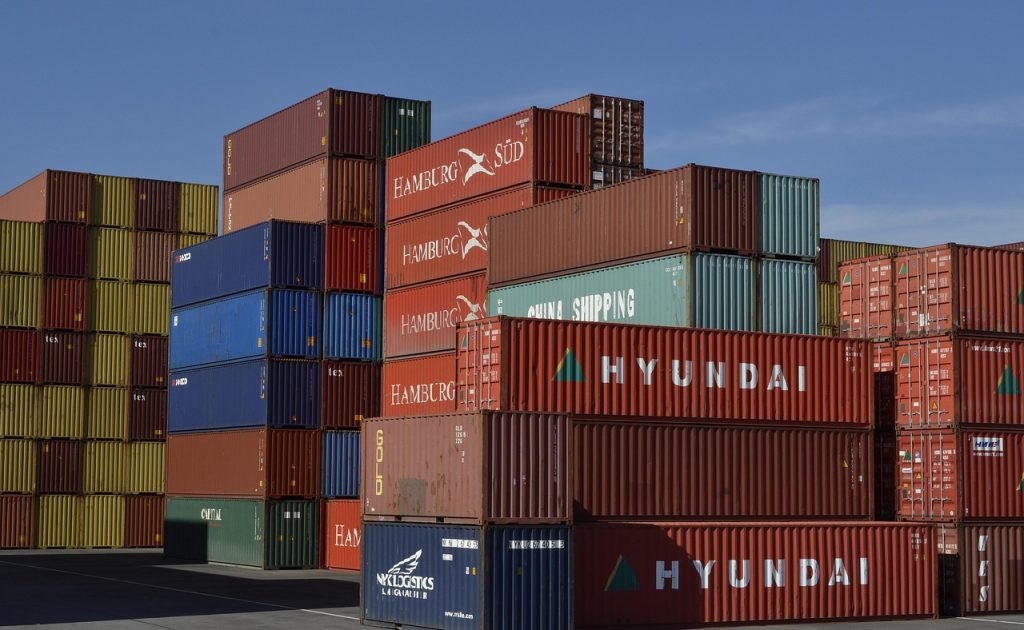
Cargo tracking in Nigeria refers to the process of monitoring the movement of goods from the point of origin (international shipment) through ports, customs clearance, and inland delivery to the final destination. It helps importers, exporters, and logistics companies know exactly where their cargo is at every stage of the supply chain.
In 2026, cargo tracking in Nigeria is becoming more digital, more regulated, and more integrated with shipping lines, customs systems, and logistics operators.
Why Cargo Tracking Matters in Nigeria
Cargo tracking is essential because it helps businesses:
- Know shipment location in real time
- Reduce risk of cargo loss or delays
- Plan warehouse and distribution schedules
- Track customs clearance progress
- Improve delivery timelines
- Reduce demurrage and storage costs
In a market where port congestion and logistics delays are common, visibility is a major advantage.
How Cargo Tracking Works in Nigeria
Cargo movement is usually tracked across four main stages:
1. Origin Tracking (Supplier Stage)
At this stage, businesses track:
- Factory dispatch
- Container loading
- Export documentation
- Shipment booking with shipping lines
Shipping lines assign a container number or bill of lading (B/L) used for tracking.
2. Ocean Freight Tracking
Once the cargo is on the vessel, tracking includes:
- Vessel location updates
- Estimated arrival time (ETA)
- Transit route monitoring
- Port of discharge updates
Major shipping lines provide online tracking portals for real-time updates.
3. Port and Customs Tracking in Nigeria
After arrival at ports like Apapa, Tin Can Island, or Lekki:
Tracking focuses on:
- Customs declaration status
- Inspection and scanning progress
- Duty payment confirmation
- Release approval status
This stage is often where delays occur due to congestion or documentation issues.
4. Inland Logistics Tracking
After cargo is cleared, tracking continues through:
- Truck loading and dispatch
- Road transport movement
- Warehouse delivery confirmation
- Final customer drop-off
This is the last but very important stage of cargo visibility.
Common Cargo Tracking Methods in Nigeria
1. Shipping Line Tracking Systems
Most international carriers provide:
- Container tracking portals
- Bill of lading tracking
- Vessel schedules and ETA updates
2. Customs Systems
The Nigeria Customs Service uses digital systems to:
- Monitor import declarations
- Track cargo clearance status
- Verify duty payments
3. Freight Forwarder Updates
Many importers rely on:
- Agent reports
- Clearance status updates
- Manual tracking communications
4. Logistics Company Tracking
Transport providers offer:
- GPS truck tracking
- Delivery status updates
- Proof of delivery confirmation
Challenges in Cargo Tracking in Nigeria
Despite improvements, importers still face tracking challenges:
- Limited real-time visibility at ports
- Delays in customs status updates
- Poor integration between agencies
- Inconsistent communication from agents
- Port congestion affecting shipment timelines
- Lack of unified tracking platforms
These gaps make it difficult to get end-to-end visibility without multiple systems.
Digital Transformation in Cargo Tracking
Cargo tracking in Nigeria is gradually improving through:
- Automated customs systems
- Digital port community platforms
- GPS-enabled logistics fleets
- Real-time shipping line integrations
- E-logistics and freight tracking tools
These systems are designed to reduce delays and improve transparency across the supply chain.
Why End-to-End Tracking Is Important
End-to-end visibility helps businesses:
- Avoid unnecessary storage charges
- Plan delivery schedules accurately
- Reduce operational uncertainty
- Improve customer satisfaction
- Optimize logistics costs
Without full tracking, importers often lose time and money due to unpredictable delays.
Role of Logistics in Cargo Tracking
Tracking does not end at the port. Real value comes from inland logistics visibility.
Key logistics tracking factors include:
- Truck availability and dispatch timing
- Route monitoring and delivery speed
- Warehouse coordination
- Distribution scheduling
Even when cargo clears customs, poor logistics tracking can still delay delivery.
How Businesses Improve Cargo Tracking Efficiency
Successful importers in Nigeria:
- Use multiple tracking systems (shipping + logistics + agent updates)
- Work with reliable freight forwarders
- Demand regular shipment updates
- Plan shipments with buffer time
- Integrate logistics planning with inventory systems
How Travo.ng Supports Cargo Movement Visibility
While shipping lines handle ocean tracking, real challenges often occur after cargo arrives in Nigeria.
Travo.ng supports importers by providing visibility in the inland logistics stage:
- Port-to-warehouse cargo movement
- Inland delivery tracking across cities
- Fleet coordination and dispatch monitoring
- Interstate logistics execution
- Supply chain coordination services
- Delivery confirmation and distribution support
This helps businesses maintain visibility beyond the port and improve overall supply chain control.
Future of Cargo Tracking in Nigeria
Cargo tracking is expected to become more advanced through:
- Full digital port integration systems
- AI-powered shipment forecasting
- Real-time national logistics dashboards
- Improved GPS fleet tracking adoption
- Greater customs and shipping data integration
As Nigeria’s trade volume grows, visibility across the supply chain will become a competitive advantage.
