


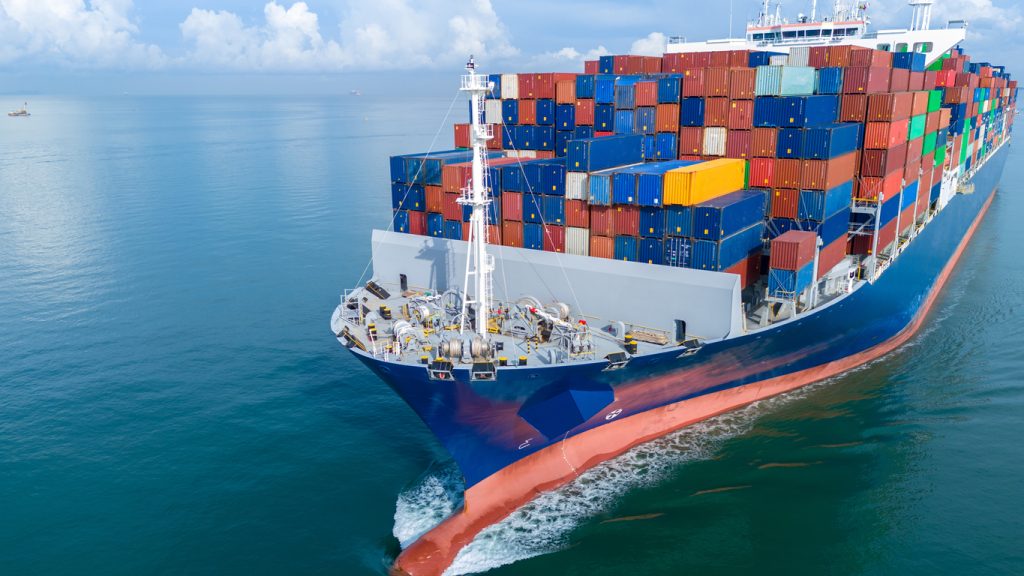
Cargo inspection charges in Nigeria are costs associated with the examination, verification, and compliance checks carried out on imported goods before they are released from ports, airports, or bonded terminals. These inspections help ensure that cargo complies with Nigerian import regulations and that the correct duties and taxes have been paid.
Inspection activities commonly take place at Apapa Port, Tin Can Island Port, Lekki Deep Sea Port, Murtala Muhammed International Airport Cargo Terminal, and other approved cargo facilities across Nigeria.
What Are Cargo Inspection Charges?
Cargo inspection charges refer to expenses incurred during the process of examining imported goods. These costs may arise from:
- Customs examination procedures
- Container positioning for inspection
- Scanning operations
- Terminal handling during inspection
- Regulatory agency inspections
- Logistics and coordination activities
While some inspection processes are part of standard customs clearance, associated operational costs may be charged by terminal operators, logistics providers, or service agents.
Types of Cargo Inspection Charges in Nigeria
1. Container Positioning Charges
Before a container can be inspected, it must be moved from its storage location to the examination area.
Positioning charges may cover:
- Container movement within the terminal
- Equipment usage
- Operational handling
These charges are commonly imposed by terminal operators.
2. Customs Examination-Related Costs
Physical examination may require:
- Opening containers
- Cargo verification
- Examination coordination
Although Customs generally does not charge a standalone examination fee, importers often incur related operational costs during the process.
3. Scanning Charges and Related Costs
When cargo is selected for scanning:
- Containers are moved to scanning facilities
- Terminal handling services may apply
- Delays may result in additional storage expenses
The cost impact often comes from associated logistics rather than a direct scanning fee.
4. Regulatory Agency Inspection Costs
Depending on cargo type, inspections may involve:
- Standards Organisation of Nigeria (SON)
- National Agency for Food and Drug Administration and Control (NAFDAC)
- Nigeria Agricultural Quarantine Service (NAQS)
- National Drug Law Enforcement Agency (NDLEA)
Additional compliance requirements may increase inspection-related expenses.
5. Terminal Handling Charges During Inspection
Cargo inspection often requires:
- Container repositioning
- Equipment usage
- Yard operations
These services may attract terminal handling fees.
Common Factors That Increase Inspection Costs
Port Congestion
Heavy traffic at Lagos ports can lead to:
- Longer waiting times
- Additional storage charges
- Increased handling costs
Documentation Errors
Incorrect documentation may result in:
- Re-inspection
- Additional verification
- Clearance delays
Multi-Agency Examinations
Cargo requiring approval from several agencies may experience:
- Extended inspection periods
- Higher operational costs
Delayed Cargo Clearance
The longer cargo remains in the port:
- The greater the storage charges
- The higher the risk of demurrage and detention fees
Related Charges Importers Should Watch For
Cargo inspection delays can lead to:
Demurrage Charges
Applied when containers remain in the port beyond the allowed free period.
Terminal Storage Charges
Charged when cargo occupies terminal space for extended periods.
Detention Charges
Applied when containers are not returned to shipping lines within the permitted timeframe.
How to Reduce Cargo Inspection Costs
Prepare Accurate Documentation
Ensure:
- Commercial invoices are correct
- HS codes are properly classified
- Cargo descriptions match shipment contents
Complete Import Documentation Early
Prepare:
- Form M
- PAAR
- Shipping documents
before cargo arrival.
Use Experienced Clearing Agents
Professional clearing agents can:
- Coordinate inspections efficiently
- Reduce processing errors
- Help avoid unnecessary delays
Respond Quickly to Inspection Queries
Prompt action helps prevent additional storage and demurrage charges.
Plan Cargo Evacuation Early
Arrange transportation and logistics before cargo release to avoid further costs.
The Role of Efficient Logistics Coordination
Many inspection-related costs increase because of delays rather than the inspection itself. Proper coordination can significantly reduce:
- Waiting time
- Storage costs
- Cargo handling expenses
Travo (Travo.ng) helps businesses improve logistics planning, cargo coordination, executive transportation, and operational efficiency, supporting smoother cargo movement throughout the Nigerian supply chain.
Final Thoughts
Cargo inspection charges in Nigeria are often a combination of operational, handling, positioning, and compliance-related expenses rather than a single fee. While inspections are an essential part of customs clearance, many associated costs can be minimized through proper preparation, accurate documentation, and efficient logistics management.
Businesses that plan ahead and coordinate effectively are better positioned to reduce delays, avoid unnecessary charges, and improve overall import efficiency.
