


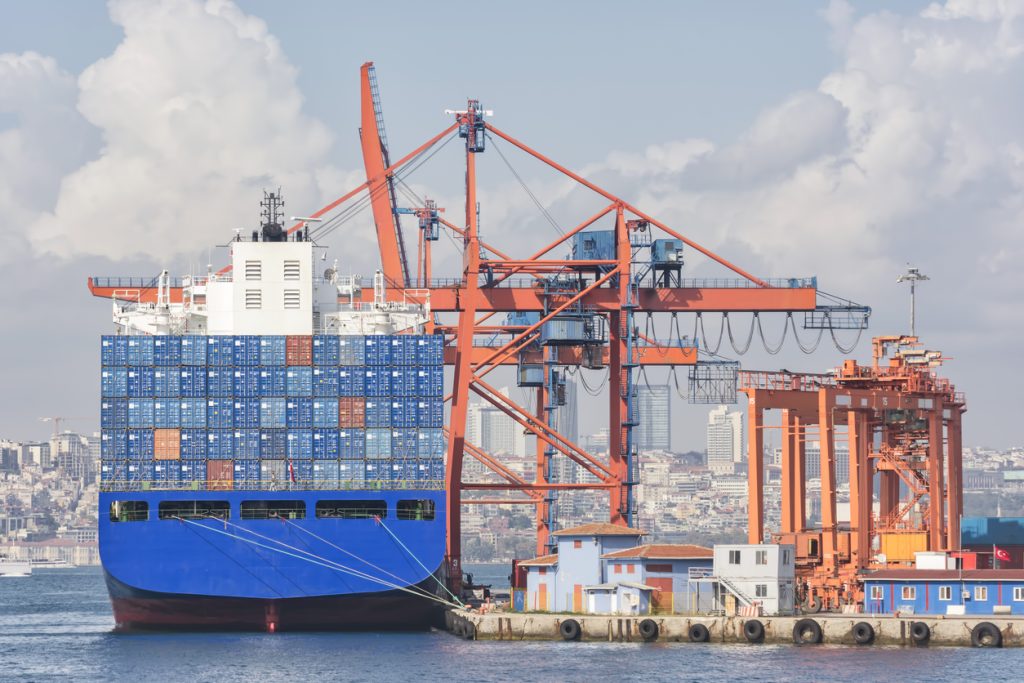
Clearing imported cargo in Nigeria can quickly become stressful when documentation, customs processing, terminal charges, inspections, and final delivery are not properly coordinated. For businesses and individuals bringing goods into the country, reliable cargo clearing support Nigeria can make the difference between a smooth shipment and days of costly delays.
The challenge is rarely just getting goods into a Nigerian port or airport. The real work begins when the shipment arrives and needs to move through the appropriate clearing process before reaching its final destination.
Travo.ng helps customers coordinate cargo movement, logistics support, transport, and delivery so that imported goods can move from arrival point to destination with fewer unnecessary complications.
What Usually Slows Cargo Down After It Arrives in Nigeria
Many cargo delays happen because the clearing process was not properly prepared before the shipment reached Nigeria.
Common problems include:
- Incorrect or incomplete shipping documents
- Delays confirming cargo arrival
- Classification or documentation issues
- Unplanned terminal or handling charges
- Inspection delays
- Poor communication between different service providers
- No transport arranged after cargo release
For example, a Lagos-based business importing equipment through Apapa may successfully complete the shipping stage but still lose valuable time if there is no vehicle ready when the cargo is released.
Good cargo coordination considers the entire journey, not only customs clearance.
Documents You Should Prepare Before Your Cargo Arrives
Documentation requirements depend on the type of goods, shipment method, and applicable regulations, but importers should generally organize their paperwork early.
Depending on the shipment, this may include commercial invoices, packing lists, shipping documents, permits, identification information, and other supporting documentation required for processing.
Waiting until cargo has already arrived before checking whether documents are complete can create avoidable delays.
Businesses importing regularly should also maintain clear shipment records. This makes it easier to identify missing information before it becomes an operational problem.
Cargo Clearing Support Nigeria Works Best With Proper Coordination
Cargo clearing involves several moving parts. The importer, clearing personnel, terminal operators, transport providers, and receiving location may all need to work within the same timeline.
This becomes especially important for commercial cargo.
Consider a retailer importing stock into Lagos that needs to distribute goods to Abuja, Port Harcourt, or other cities immediately after release. If interstate transport has not been arranged in advance, the cargo may remain at the collection point longer than necessary.
Travo.ng can support the next stage by coordinating cargo logistics, transport arrangements, and onward delivery based on the shipment requirements.
Plan for Costs Beyond the Original Shipping Fee
One mistake first-time importers make is assuming that the international shipping charge represents the total cost of getting goods into Nigeria.
Additional expenses may arise from areas such as:
- Clearing and processing
- Terminal handling
- Storage caused by delays
- Inspection-related procedures
- Local transportation
- Loading and offloading
- Interstate delivery
Actual costs vary considerably depending on cargo type, shipment size, location, documentation, and handling requirements.
Getting a realistic cost picture before the shipment arrives helps businesses avoid cash-flow surprises when goods are ready for release.
Arrange Transport Before the Cargo Is Released
Clearing the goods is only part of the job.
Once cargo is available for collection, there still needs to be a practical plan for moving it to a warehouse, shop, office, construction site, or another Nigerian city.
For larger cargo, the correct vehicle size should be confirmed beforehand. Smaller commercial shipments may require courier or dedicated delivery arrangements.
Travo.ng can help customers coordinate cargo transportation and business logistics so the movement after clearance is not treated as an afterthought.
Businesses Should Track the Entire Shipment Journey
Companies that import goods regularly need more visibility than occasional personal importers.
The business may need to know when cargo has arrived, when processing begins, whether any documentation issue has occurred, when goods are released, and when final delivery will happen.
Clear communication is especially important where inventory shortages could affect sales or production.
Rather than managing clearing, transport, and delivery as disconnected tasks, businesses can use Travo.ng for practical logistics coordination across different stages of the shipment journey.
Getting Your Cargo Moving Without Unnecessary Delays
The safest approach is to start planning before the shipment reaches Nigeria. Confirm documentation, understand likely charges, prepare for the clearing process, and arrange onward transportation early.
If you need cargo clearing support Nigeria alongside cargo logistics, transport coordination, or delivery assistance, Travo.ng can help organize the practical movement of your shipment.
Whether the cargo is arriving for a business, project, relocation, or regular commercial operation, having one coordinated logistics plan makes it easier to move goods from arrival point to their final destination with fewer avoidable delays.
