


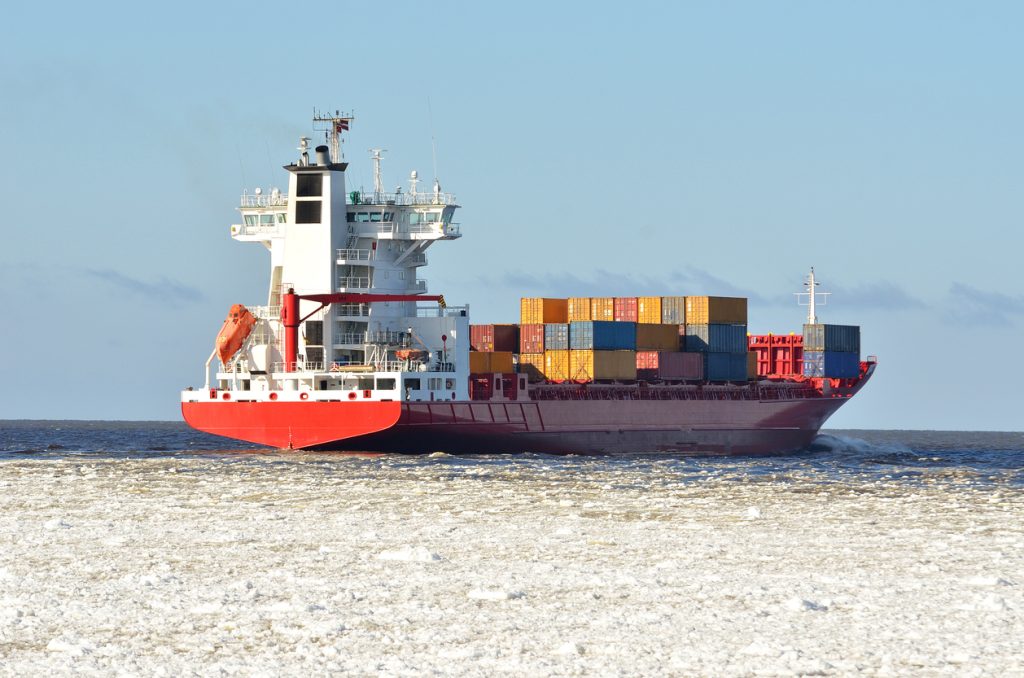
Cargo tracking services in Nigeria have become one of the most important parts of modern logistics. In a country where goods move across long distances—from Lagos ports to Abuja warehouses, from Port Harcourt oil hubs to northern distribution centers—knowing the exact location of cargo is no longer a luxury. It is a necessity.
Businesses don’t just want to send goods anymore. They want visibility, control, and real-time updates from pickup to delivery. That is exactly what cargo tracking services provide.
Travo.ng supports cargo tracking services in Nigeria by coordinating logistics movements and helping customers stay informed about their shipments across cities, interstate routes, and industrial supply chains.
Why Cargo Tracking Matters in Nigeria’s Logistics System
Nigeria’s transport environment has unique challenges:
- Heavy traffic in cities like Lagos
- Long interstate travel distances
- Multiple checkpoints on highways
- Weather and road conditions affecting timing
- High-volume cargo movement at ports
Without tracking, businesses are left guessing where their goods are, which leads to delays, uncertainty, and poor planning.
Cargo tracking solves this by providing visibility throughout the entire journey.
How Cargo Tracking Services Work in Nigeria
Cargo tracking is not just about GPS—it is a combination of systems, communication, and logistics coordination.
1. Pickup Registration
Once cargo is booked:
- Shipment details are recorded
- Pickup location is confirmed
- Vehicle is assigned
2. Dispatch and Activation
When the truck leaves:
- Tracking begins
- Route is logged
- Estimated delivery time is shared
3. Real-Time Movement Updates
Depending on the system used:
- GPS tracking updates location
- Driver check-ins provide progress reports
- Logistics teams monitor movement
4. Transit Monitoring
During transport:
- Route changes are tracked
- Delays are reported
- Security and safety updates are shared
5. Delivery Confirmation
At destination:
- Arrival is confirmed
- Cargo is offloaded
- Proof of delivery is recorded
Types of Cargo Tracking Used in Nigeria
1. GPS-Based Tracking
The most common method:
- Real-time location monitoring
- Route visibility
- Speed and movement tracking
2. Manual Tracking Updates
Used where GPS is unavailable:
- Driver phone updates
- Dispatch communication reports
- Scheduled check-ins
3. Hybrid Tracking Systems
A combination of:
- GPS monitoring
- Human updates
- Logistics coordination teams
This is widely used for interstate cargo movement.
Why Businesses Depend on Cargo Tracking in Nigeria
Tracking is not just for convenience—it directly affects operations.
Businesses use it to:
- Plan warehouse receiving schedules
- Inform customers of delivery timelines
- Reduce theft or cargo loss risks
- Monitor fleet performance
- Improve supply chain efficiency
- Coordinate multiple deliveries across cities
For example, a retailer in Abuja expecting goods from Lagos can prepare storage and staff based on live updates.
Common Cargo Routes Where Tracking Is Critical
Cargo tracking is especially important on high-volume routes:
- Lagos to Abuja (business supply chain)
- Lagos to Port Harcourt (industrial and oil sector logistics)
- Lagos to Kano (bulk distribution routes)
- Onne Port to inland Nigeria (imported goods movement)
- Port Harcourt to Aba (trade and manufacturing flow)
- Lagos to Benin City (regional distribution)
These routes often involve long travel times and multiple logistics checkpoints.
Challenges of Cargo Tracking in Nigeria
Despite improvements, tracking systems still face challenges:
1. Network Coverage Issues
Some highways have weak mobile or GPS signal coverage.
2. Infrastructure Limitations
Not all logistics companies use advanced tracking systems.
3. Driver Compliance
Some updates depend on driver communication discipline.
4. System Integration Gaps
Manual and digital systems may not always sync properly.
5. Road Delays and Unplanned Stops
Unexpected delays can affect tracking accuracy.
Benefits of Cargo Tracking Services
1. Real-Time Visibility
Businesses know exactly where their cargo is at any moment.
2. Better Planning
Warehouses and customers can prepare for arrivals.
3. Improved Security
Tracking reduces risks of theft or misrouting.
4. Faster Problem Resolution
Delays can be identified and addressed quickly.
5. Customer Confidence
Clients trust logistics systems that provide transparency.
Industries That Rely on Cargo Tracking in Nigeria
Retail and E-commerce
- Customer delivery updates
- Inventory restocking coordination
Manufacturing
- Raw material supply tracking
- Production planning support
Oil and Gas
- Fuel and chemical transport monitoring
Construction
- Equipment and material delivery tracking
FMCG Distribution
- Nationwide product movement visibility
Cost of Cargo Tracking Services in Nigeria
Cargo tracking is usually included in logistics services, but advanced systems may affect pricing.
Cost factors include:
- Type of tracking system used
- Distance of delivery route
- Cargo value and sensitivity
- Frequency of updates required
- Fleet size being monitored
Typical pricing impact:
- Basic tracking (included in delivery): ₦0 – ₦10,000
- Advanced GPS tracking services: ₦10,000 – ₦50,000+
- Enterprise fleet tracking solutions: Custom pricing based on operations
Shared Visibility vs Full Tracking Systems
Basic Visibility
- Occasional updates
- Driver communication-based
- Limited real-time data
Full Cargo Tracking
- Live GPS monitoring
- Automated updates
- Continuous visibility across routes
Businesses handling high-value or time-sensitive cargo usually prefer full tracking systems.
Why Cargo Tracking Improves Nigeria’s Supply Chain
Tracking systems help reduce inefficiencies in:
- Delivery delays
- Lost shipments
- Poor communication
- Warehouse mismanagement
- Customer dissatisfaction
In a logistics environment as complex as Nigeria’s, visibility is one of the most powerful tools for efficiency.
Reliable Cargo Tracking Requires Coordination
Effective tracking is not just technology—it is logistics discipline.
It depends on:
- Proper dispatch processes
- Vehicle assignment accuracy
- Communication systems
- Route planning
- Monitoring teams
Travo.ng provides cargo tracking services in Nigeria, supporting real-time shipment visibility, interstate logistics monitoring, and coordinated delivery systems designed for reliable supply chain performance across the country.
