


If you’ve ever tried shipping goods into or across Nigeria, you already know the real issue isn’t just “sending cargo.” The real problem is what happens after the shipment lands—clearing delays, port congestion, truck availability, and whether your goods actually arrive on time without hidden costs.
So when people search for the best cargo shipping company in Nigeria, what they’re really asking is: who can handle the full process without stress, delays, or surprises?
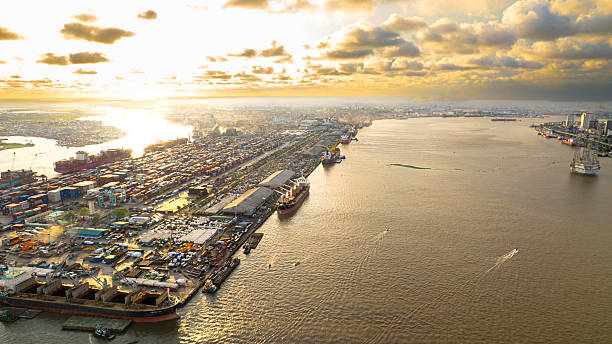
Most cargo movement in Nigeria starts through major entry points like Apapa Port Complex and Tin Can Island Port, and what happens there often determines the success of the entire shipment.
What “Best Cargo Shipping Company” Really Means in Nigeria
In Nigeria’s logistics environment, the best cargo shipping company is not just the cheapest or the fastest on paper. It is the one that can actually manage real-world challenges end-to-end.
A reliable cargo company should be able to handle:
- International shipping and freight coordination
- Customs clearance and documentation support
- Port handling and container release
- Inland haulage across Nigeria
- Warehouse or final delivery coordination
- Tracking and communication throughout the process
- Delay management and contingency planning
If any of these areas fail, the entire shipment becomes stressful and expensive.
Why Cargo Shipping in Nigeria Is Different
Cargo shipping in Nigeria is shaped by operational realities that don’t exist in many other countries:
- Congestion at major ports, especially Apapa
- Truck shortages during peak import periods
- Customs processing delays depending on documentation
- Road conditions affecting inland delivery timelines
- High demurrage costs when containers are delayed
- Unpredictable traffic flow in Lagos logistics corridors
Because of this, experience and coordination matter more than marketing promises.
What Happens When Cargo Arrives in Lagos Ports
Most imports come through either:
- Apapa Port Complex
- Tin Can Island Port
From here, the process typically includes:
- Vessel discharge and container unloading
- Customs documentation verification
- Clearing and release processing
- Truck scheduling for pickup
- Inland transportation to warehouses or destinations
Delays can happen at any stage, especially if coordination between agents and transporters is weak.
Real Problems Importers Face With Cargo Shipping
Many businesses in Nigeria face similar issues:
- Cargo stuck at port due to clearance delays
- No trucks available after release approval
- Unexpected demurrage and storage fees
- Poor communication between shipping and logistics teams
- Goods arriving late to warehouses or customers
- Lack of visibility during transport
These problems usually come from fragmented logistics handling.
How a Good Cargo Shipping Company Operates
A reliable cargo shipping company in Nigeria usually follows a structured process:
- Shipment planning before cargo arrival
- Customs documentation preparation
- Port clearance coordination
- Truck and haulage scheduling in advance
- Real-time cargo tracking
- Inland delivery planning
- Final delivery confirmation
The key difference is coordination—not just transportation.
Who Needs Cargo Shipping Services in Nigeria
Cargo shipping services are essential for:
- Importers and wholesalers
- E-commerce and retail distributors
- Manufacturing companies
- Construction and engineering firms
- Agricultural exporters and importers
- Oil and industrial supply chains
Basically, any business moving goods at scale depends on it.
What Makes Cargo Shipping Successful in Nigeria
Successful cargo movement usually depends on:
- Proper documentation before cargo arrival
- Early truck booking before container release
- Strong coordination with clearing agents
- Real-time communication during port operations
- Backup planning for delays or congestion
- Knowledge of Lagos port operations and timing
Without these, even simple shipments can face long delays.
Why Many Businesses Struggle With Shipping
Most shipping problems in Nigeria are not caused by shipping lines themselves, but by:
- Poor coordination between agents and transporters
- Lack of planning for port congestion
- Ignoring demurrage timelines
- Delayed clearance processing
- No structured logistics flow after arrival
In logistics, timing mistakes are often more expensive than transport costs.
How Travo.ng Supports Cargo Shipping in Nigeria
Travo.ng provides structured cargo shipping and logistics coordination designed to help businesses move goods smoothly from port to destination.
Support typically includes:
- Cargo coordination from Apapa and Tin Can ports Apapa Port Complex and Tin Can Island Port
- Customs clearance and documentation logistics support
- Container and freight haulage arrangement
- Inland delivery to warehouses and business locations
- Real-time transport tracking and updates
- Route planning to reduce delays
- Backup logistics for port congestion or truck shortages
The focus is on reducing delays, improving coordination, and ensuring cargo actually moves from port to destination without unnecessary stress.
For businesses in Nigeria, this means more reliable shipping, fewer surprises, and better control over logistics operations.
