


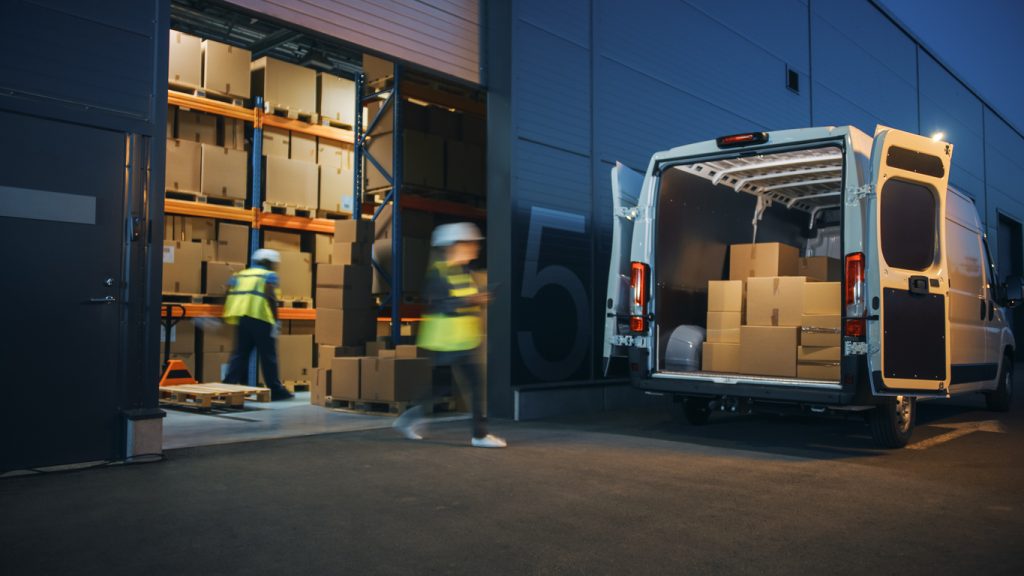
Sending a parcel from Nigeria to Berlin is one of the most common international shipping routes for students, businesses, and families moving goods between West Africa and Germany.
But it’s not a simple “drop at courier office and wait” situation. Most shipments from Nigeria to Berlin go through a structured logistics chain involving air cargo consolidation in Lagos or Abuja, European transit hubs like Frankfurt or Amsterdam, and final delivery within Germany.
That’s why many shippers now prefer coordinated logistics handling through platforms like Travo.ng to manage pickup, documentation, international routing, and tracking in one system instead of dealing with multiple fragmented agents.
How a Parcel Travels from Nigeria to Berlin
A typical Nigeria to Berlin courier shipment follows this route:
Lagos or Abuja → European hub → Germany distribution center → Berlin (final delivery)
Most parcels leave Nigeria through:
- Murtala Muhammed International Airport (Lagos)
- Nnamdi Azikiwe International Airport (Abuja)
Common European transit hubs include:
- Frankfurt (major entry point into Germany)
- Amsterdam
- Paris
- Istanbul
From there, parcels are sorted and moved into Germany’s domestic courier network for final delivery to Berlin.
Frankfurt is especially important because it handles a large share of incoming air cargo into Germany.
Cost of Sending a Parcel from Nigeria to Berlin
Shipping cost depends more on weight and volume than distance.
Typical real-world ranges:
- Small parcels (1–2kg): ₦25,000 – ₦60,000
- Medium parcels (5–10kg): ₦70,000 – ₦150,000
- Larger shipments (10–30kg): ₦150,000 – ₦300,000+
Key pricing factors:
- Volumetric weight (space occupied vs actual weight)
- Type of goods (electronics, fashion, documents, etc.)
- Delivery speed (express vs consolidated cargo)
- German customs classification and VAT rules
A bulky but light box can cost more than a smaller heavy parcel because airlines charge by space.
Air Courier vs Cargo Shipping to Berlin
Air courier (fast delivery option)
Best for urgent shipments like documents or small packages.
- Delivery time: 4–8 days
- Ideal for personal parcels, fashion items, electronics, and small business orders
- Faster tracking and priority handling
International express couriers serving this route typically deliver in 2–5 days depending on service level.
Consolidated air cargo (budget option)
Used for bulk or non-urgent shipments.
- Delivery time: 7–14 days
- Best for business inventory or multiple parcels
- More cost-effective but slightly slower
Why German Customs Matters for Berlin Deliveries
Even when your parcel arrives in Germany, it must pass customs before final delivery to Berlin.
German customs checks:
- Accurate item descriptions
- Declared value and invoice consistency
- VAT and import duty requirements
- Restricted or controlled goods
Commonly inspected items:
- Electronics
- Branded fashion items
- Food and supplements
- High-value goods
When documentation is correct, clearance is usually fast. When it isn’t, delays can happen immediately.
Real Delivery Timeline for Nigeria to Berlin Shipping
Here’s what is realistic:
- Express courier: 4–6 days
- Standard air shipping: 6–10 days
- Consolidated cargo: 7–14 days
Air freight itself is fast—sometimes under a day of flight time—but customs and sorting determine total delivery time.
Mistakes People Make When Shipping to Berlin
Common issues include:
- Writing vague descriptions like “personal items”
- Undervaluing goods on customs forms
- Poor packaging for long-distance air transport
- Ignoring EU import regulations
- Using untracked or unreliable courier services
These mistakes often cause more delay than the flight itself.
Example: Lagos to Berlin Business Shipment
A typical scenario:
A Lagos-based fashion seller ships 15kg of clothing to Berlin:
- Pickup: Ikeja, Lagos
- Route: Lagos → Frankfurt → Berlin
- Delivery time: 5–8 days
- Customs clearance: 1–2 days
With proper documentation and packaging, the process is smooth and predictable.
Why Some Parcels Arrive Faster Than Others
Even when shipped the same day, delivery speed differs because of:
- Documentation accuracy at dispatch
- Airline routing efficiency
- Packaging compliance with EU standards
- Customs inspection triggers
- Logistics coordination quality
In international shipping, preparation matters more than distance.
How Nigerians Are Shipping to Berlin Today
Common users include:
- Students sending personal belongings
- Businesses exporting fashion and retail goods
- Families relocating gradually
- E-commerce sellers fulfilling European orders
Many now prefer structured logistics coordination like Travo.ng to handle pickup, shipping, and tracking in one system instead of managing multiple agents separately.
Practical Tips Before You Ship to Berlin
- Label items clearly and accurately
- Confirm EU restricted items list
- Use strong packaging for air transport
- Always request tracking details
- Choose express or cargo based on urgency
These steps prevent most international shipping problems.
Final Reality of Nigeria to Berlin Courier Service
Shipping from Nigeria to Berlin is reliable and efficient when properly handled. The key is not just sending the parcel, but ensuring documentation, packaging, and logistics coordination are done correctly from the start.
With the right setup, parcels move from Nigeria to Berlin smoothly, clear customs quickly, and arrive within predictable timelines.
