


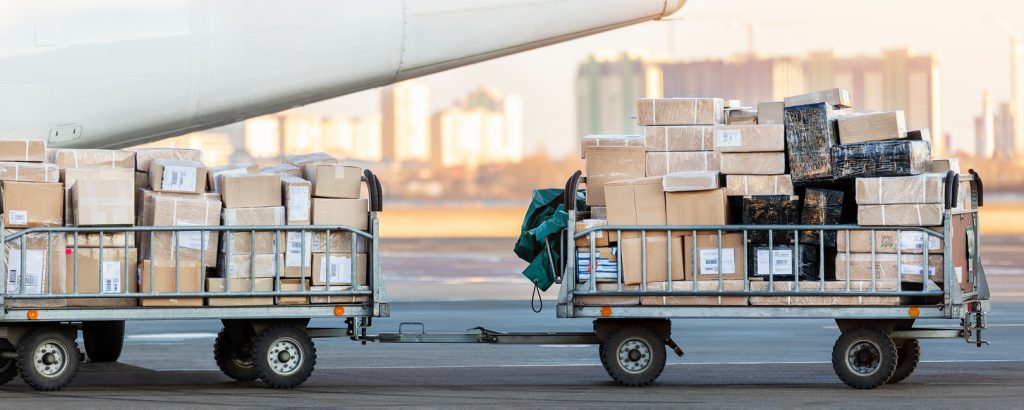
For many small businesses, importing goods is not simply about finding a supplier abroad. The real challenge is getting stock into Nigeria quickly, clearing it properly, and moving it from the airport to the final destination without unnecessary delays.
That is why air freight import for SMEs in Nigeria can be a practical option when speed matters more than moving large volumes at the lowest possible cost.
A fashion retailer bringing samples from China, an electronics dealer restocking fast-moving accessories, or a business importing machine parts may not be able to wait several weeks for sea freight. Air cargo can shorten the journey considerably, but SMEs still need to plan around documentation, customs clearance, airport handling, and local delivery.
When Air Freight Makes More Sense Than Sea Shipping
Air freight is usually better suited to smaller, valuable, lightweight, or urgent shipments.
For example, an SME importing 40kg of phone accessories from Guangzhou may prefer air cargo because the stock can start generating sales soon after arrival. Waiting for a container shipment may save money per kilogram, but it can also tie up working capital for much longer.
Air freight is commonly useful for:
- Electronics and accessories
- Fashion samples and small clothing orders
- Spare parts needed urgently
- Medical or laboratory equipment
- Documents and commercial samples
- High-value products with manageable weight
Bulky furniture, large machinery, and low-value goods are usually less suitable because air freight charges are heavily influenced by weight and cargo dimensions.
What Actually Determines Your Import Cost
One mistake SMEs make is looking only at the supplier’s shipping quotation.
The final cost can include freight charges, airline handling, customs duties, clearing fees, terminal charges, storage, and transportation from the airport.
Airlines and freight operators may also calculate charges using either the actual weight or the volumetric weight of the shipment. A lightweight but oversized carton can therefore cost more than expected.
Before confirming an import, businesses should have basic information ready:
- Product description
- Number of cartons
- Total weight
- Carton dimensions
- Country of origin
- Commercial invoice value
- Destination in Nigeria
Getting these details early makes it easier to estimate the full logistics cost instead of discovering additional expenses after the cargo has landed.
What Happens When Cargo Arrives in Lagos
A large share of international air cargo entering Nigeria comes through Lagos, particularly through the cargo facilities around Murtala Muhammed International Airport.
Arrival does not automatically mean the shipment is ready for collection.
Documents must match the goods being imported, customs procedures have to be completed, applicable charges settled, and the cargo released before final delivery can begin.
Delays often happen because the invoice describes the product poorly, documentation is incomplete, or the importer waits until arrival before arranging clearance.
Storage charges can begin accumulating when cargo remains at the terminal longer than expected, so businesses importing urgent stock should prepare their clearance arrangements before the flight lands.
Moving Imported Goods Beyond the Airport
Clearing the shipment is only one part of the job.
An SME based in Ikeja may only need a short delivery after clearance. A business receiving the same cargo in Lekki, Ibadan, Abuja, Benin City, or another state requires additional transport coordination.
This is where an integrated logistics arrangement becomes useful.
Travo.ng can support businesses with cargo logistics and delivery coordination so imported goods can move from the airport toward warehouses, offices, shops, or customer locations. SMEs that regularly receive stock can also combine import movement with courier services and business logistics support for local distribution.
Avoid Importing Before You Know Your Landed Cost
A product can look profitable when you compare the supplier’s price with the Nigerian selling price. The calculation changes once freight, customs charges, clearing, and final delivery are included.
Before paying a supplier, estimate your landed cost per unit.
If 200 products cost ₦2,000 each at source but logistics adds another ₦800 per unit, your actual cost is already around ₦2,800 before rent, advertising, payment charges, or other business expenses.
That simple calculation can prevent an SME from importing products that appear profitable but leave almost no margin.
Plan Air Freight Around Your Business Needs
Successful air freight import for SMEs in Nigeria requires more than booking space on an aircraft. Businesses need reliable documentation, realistic cost estimates, organised clearance, and a clear plan for moving cargo after arrival.
For urgent inventory, samples, spare parts, or high-value goods, air freight can help Nigerian SMEs restock faster and respond to customers without waiting through long shipping cycles.
Travo.ng helps coordinate cargo logistics, deliveries, transport, and related business logistics needs, giving SMEs a more practical way to manage the journey from international shipment to local distribution.
