


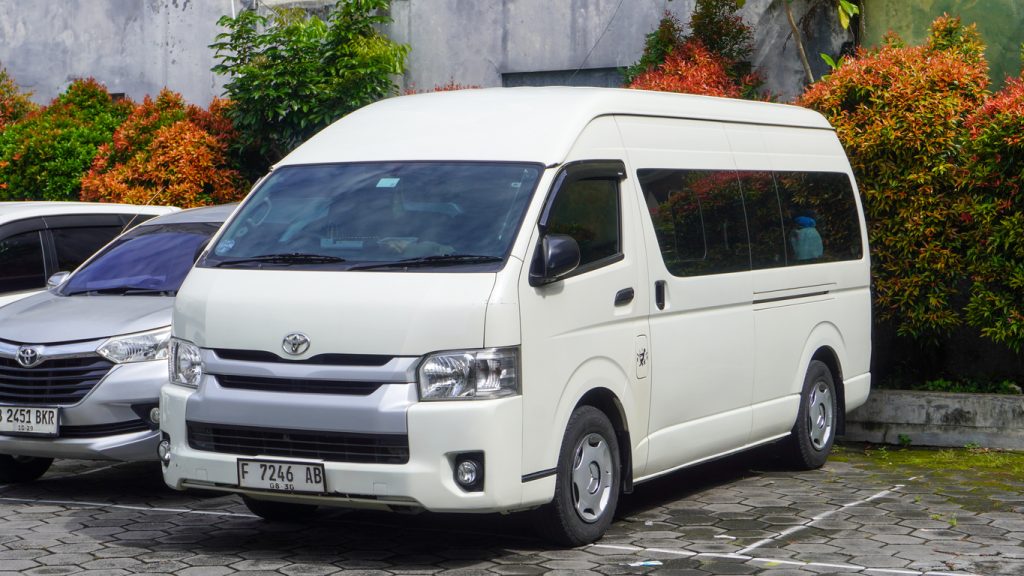
Vehicle tracking services in West Africa refer to GPS-based systems and professional monitoring solutions used to track, manage, and secure vehicles across countries in the region. These services help businesses monitor fleets in real time, improve logistics efficiency, and reduce risks such as theft, misuse, and delays.
In major commercial hubs like Lagos, vehicle tracking is a core part of transport and logistics operations, especially for companies moving goods across West African trade routes.
What vehicle tracking services in West Africa include
They typically provide:
- Real-time GPS vehicle tracking
- Fleet management and monitoring dashboards
- Driver behavior analysis
- Route optimization across cities and borders
- Fuel usage tracking
- Security and theft recovery systems
Types of vehicle tracking services in West Africa
1. Commercial Fleet Tracking
- For logistics and transport companies
- Tracks trucks, vans, and delivery vehicles
2. Cross-Border Transport Tracking
- Monitors vehicles moving between countries
- Ensures cargo safety and route compliance
3. E-Hailing and Taxi Tracking
- Used for ride-hailing fleets
- Improves safety and accountability
4. Heavy-Duty Transport Tracking
- Used in haulage, oil & gas, and mining logistics
- Tracks long-distance operations
5. Asset and Cargo Tracking
- Monitors goods in transit
- Ensures delivery integrity
Key features of vehicle tracking services
Real-Time Location Tracking
- Live map view of all vehicles
- Continuous updates from GPS devices
Geofencing
- Sets operational boundaries
- Sends alerts when vehicles cross zones
Driver Behavior Monitoring
- Speeding alerts
- Harsh braking and acceleration detection
Trip History and Playback
- Reviews full journey routes
- Helps with dispute resolution
Reporting and Analytics
- Fuel consumption reports
- Performance and efficiency insights
Benefits of vehicle tracking services in West Africa
Improved Security
Reduces theft and unauthorized vehicle usage.
Better Logistics Efficiency
Improves delivery speed and coordination.
Lower Operational Costs
Optimizes fuel usage and reduces waste.
Stronger Accountability
Drivers and operators are closely monitored.
Cross-Border Visibility
Helps manage regional transport operations.
Why it is important in West Africa
In cities like Lagos and other regional hubs, tracking services are essential because:
- High traffic affects delivery timelines
- Cross-border trade requires visibility
- Fuel costs are significant
- Vehicle theft and cargo diversion risks exist
- Logistics demand is growing rapidly
Industries using vehicle tracking services
- Logistics and courier companies
- Haulage and trucking businesses
- E-commerce delivery platforms
- Construction and engineering firms
- Oil and gas transport fleets
- Government and NGO fleets
Problems solved by tracking services
Without them, businesses face:
- Lack of visibility across fleets
- Poor delivery coordination
- High fuel and maintenance costs
- Cargo theft and route diversion
- Inefficient operations across borders
Common mistakes businesses make
- Using basic trackers without software support
- Ignoring alerts and reporting tools
- Poor device installation
- Lack of fleet management policies
- Not training drivers on compliance
Integration with modern fleet systems
Vehicle tracking services in West Africa integrate with:
- Fleet management platforms
- Transport Management Systems (TMS)
- Fuel monitoring systems
- Mobile tracking apps
- Logistics dispatch tools
- Business analytics dashboards
How Travo.ng supports vehicle tracking services in West Africa
Modern logistics across West Africa requires scalable tracking solutions.
Travo.ng provides:
- Real-time vehicle tracking across West African routes
- Fleet management dashboards and analytics
- Driver behavior and fuel monitoring tools
- Geofencing and security alert systems
- Route optimization and dispatch systems
- End-to-end logistics visibility for businesses
Final thoughts
Vehicle tracking services in West Africa are essential for improving security, efficiency, and coordination across local and cross-border transport operations. They help businesses stay competitive in a fast-growing logistics environment.
In key hubs like Lagos, these systems are now a core requirement for modern fleet management.
