


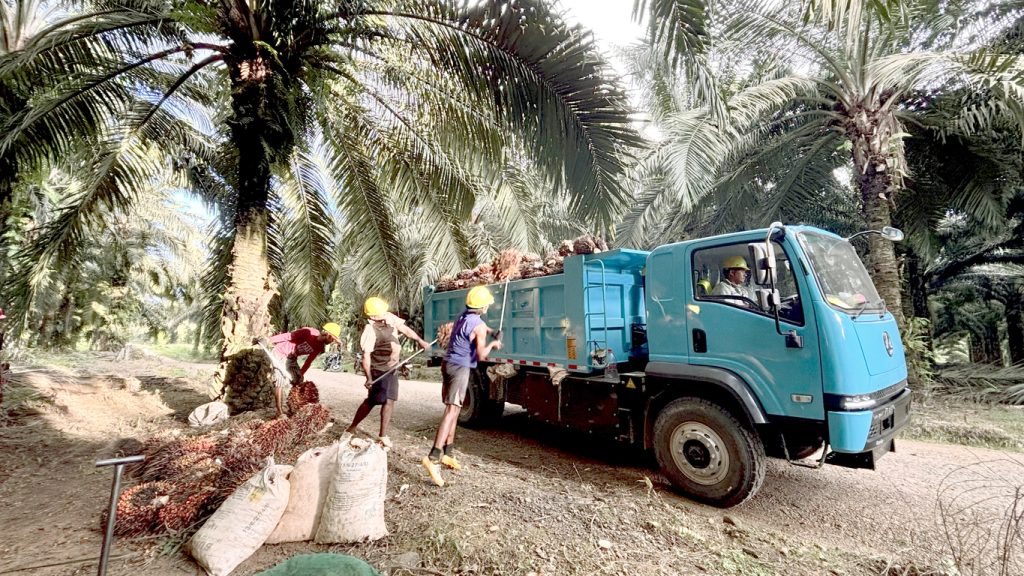
Agricultural machinery tracking in Nigeria is a GPS and telematics-based system used to monitor farm equipment such as tractors, harvesters, ploughs, irrigation machines, and other agricultural assets. It helps farmers, agribusinesses, and cooperatives track location, usage, productivity, and security of machinery used in farming operations.
In agricultural and logistics-driven regions including Lagos, these systems are increasingly used by large farms, agro-allied companies, and equipment leasing firms to improve efficiency and reduce losses.
What agricultural machinery tracking is
It is a system that allows farm operators to:
- Track tractors and farm equipment in real time
- Monitor field activity and machine usage
- Prevent theft or unauthorized movement
- Measure productivity and land coverage
- Schedule maintenance and servicing
- Manage multiple machines across large farms
Why agricultural machinery tracking is important
Farm machinery is expensive and often operates in remote or unsecured environments. Tracking helps manage:
- Tractors
- Combine harvesters
- Planters and seeders
- Spraying machines
- Irrigation systems
- Farm transport vehicles
Key features of agricultural machinery tracking systems
1. Real-Time GPS Tracking
- Live location of all machines on farm maps
- Movement history and field coverage tracking
2. Geofencing for Farm Boundaries
- Alerts when equipment leaves designated farmland
- Prevents unauthorized usage or theft
3. Engine Hours Monitoring
- Tracks how long machinery is in operation
- Helps measure productivity per machine
4. Fuel Usage Monitoring
- Detects fuel consumption patterns
- Identifies inefficiency or fuel theft
5. Maintenance Alerts
- Service reminders based on usage hours
- Reduces breakdowns and downtime
6. Driver and Operator Monitoring
- Tracks operator behavior and efficiency
- Helps improve farm productivity
Benefits of agricultural machinery tracking
Reduced Equipment Theft
Real-time monitoring protects valuable farm assets.
Improved Productivity
Farmers can measure output and optimize machine usage.
Lower Operating Costs
Reduces fuel waste, downtime, and unnecessary repairs.
Better Farm Management
Provides full visibility across large agricultural operations.
Increased Efficiency
Helps coordinate machinery use across different fields.
Why it is important in Nigeria agriculture
In Nigeria’s agricultural sector, including areas connected to logistics hubs like Lagos, farmers face:
- High cost of agricultural machinery
- Equipment theft in remote farms
- Poor visibility of field operations
- Fuel inefficiency and misuse
- Difficulty managing multiple farm sites
Tracking systems help solve these challenges effectively.
Common use cases
Agricultural machinery tracking is used in:
- Large commercial farms
- Government agricultural programs
- Agro-allied companies
- Equipment leasing services
- Cooperative farming groups
- Plantation and estate farming
Problems solved by tracking systems
Without machinery tracking, farms often experience:
- Equipment loss or theft
- Poor utilization of machinery
- High fuel and maintenance costs
- Lack of operational data
- Inefficient farm planning
Common mistakes farmers make
- Using generic vehicle trackers for heavy farm machinery
- Poor installation in exposed environments
- Not tracking engine hours or usage data
- Ignoring maintenance alerts
- Lack of proper operator monitoring
Integration with agricultural systems
Tracking systems integrate with:
- Farm management software
- Equipment maintenance systems
- Fuel monitoring solutions
- Logistics and supply chain platforms
- Weather and irrigation planning tools
- Agricultural analytics dashboards
How Travo.ng supports agricultural machinery tracking
Modern agriculture requires smart asset monitoring and operational intelligence.
Travo.ng supports agribusinesses through:
- GPS tracking for tractors and farm equipment
- Real-time machinery monitoring dashboards
- Geofencing for farmland boundaries
- Fuel and engine hour analytics
- Maintenance and productivity tracking tools
- End-to-end agricultural fleet management solutions across Nigeria
Final thoughts
Agricultural machinery tracking in Nigeria is essential for improving farm productivity, protecting expensive equipment, and reducing operational losses. It provides real-time visibility and control over all farm assets.
In modern agriculture and agro-logistics environments like Lagos and surrounding regions, it is a key tool for efficient and scalable farming operations.
