


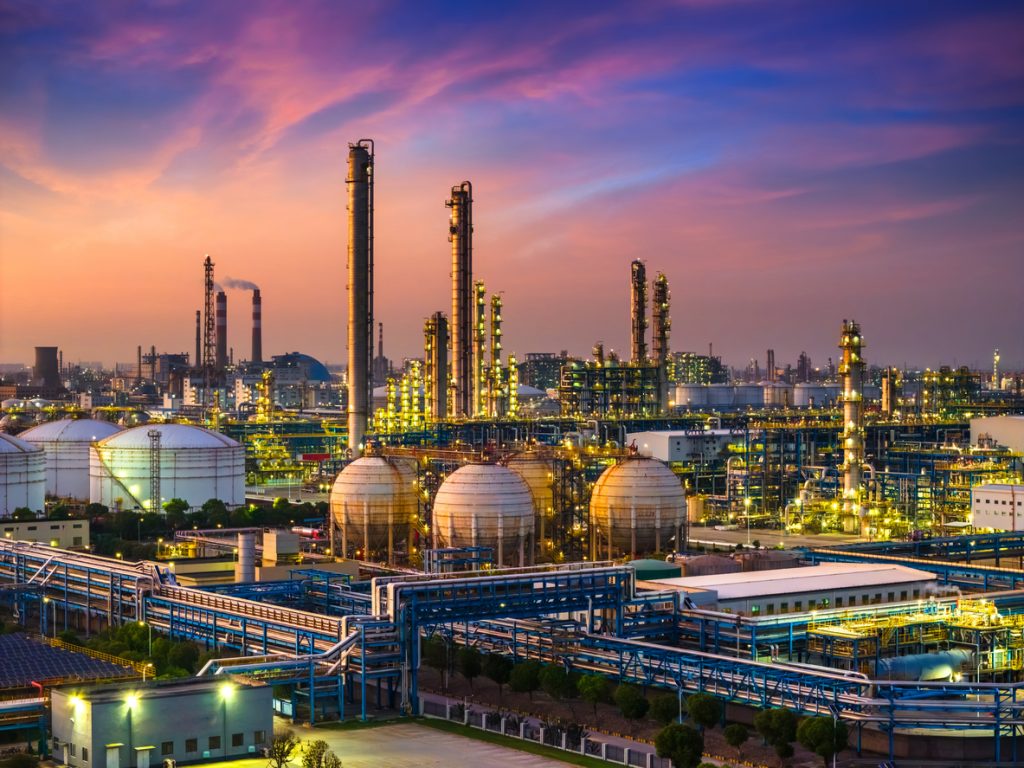
Fleet tracking for oil and gas companies is a specialized GPS and telematics system designed to monitor, manage, and secure vehicles used in upstream, midstream, and downstream oil and gas operations. These fleets often include tankers, service trucks, field support vehicles, and equipment transport units operating across remote and high-risk environments.
In operational hubs like Lagos, as well as remote pipeline and facility locations, fleet tracking is critical for safety, compliance, and operational efficiency.
What fleet tracking in oil and gas means
It is a system that enables companies to:
- Track tankers, trucks, and field vehicles in real time
- Monitor fuel transport and delivery routes
- Improve safety in high-risk operational zones
- Ensure compliance with regulatory and internal policies
- Prevent theft, diversion, or unauthorized usage
- Optimize logistics and field operations
Why oil and gas fleets need tracking systems
Oil and gas operations involve high-value assets and sensitive cargo. Fleet tracking helps manage:
- Fuel and petroleum product transportation
- Field service operations in remote areas
- Equipment movement between depots and sites
- Emergency response vehicles
- Contractor and subcontractor fleets
Key features of oil and gas fleet tracking systems
1. Real-Time GPS Tracking
- Live location of tankers and service vehicles
- Continuous route monitoring
2. Geofencing for Operational Zones
- Alerts when vehicles enter or leave refineries, depots, or pipelines
- Prevents unauthorized route deviation
3. Fuel Monitoring and Theft Prevention
- Tracks fuel levels and consumption
- Detects siphoning or irregular usage
4. Driver Behavior Monitoring
- Overspeed alerts
- Harsh braking and risky driving detection
- Fatigue or idle time tracking
5. Cargo Security Tracking
- Monitors tanker movement and stops
- Alerts for unexpected halts or detours
6. Emergency and Panic Alerts
- Driver-triggered distress signals
- Rapid response tracking in high-risk zones
Benefits of fleet tracking in oil and gas
Improved Asset Security
Protects high-value fuel and equipment in transit.
Regulatory Compliance
Helps meet industry safety and transport regulations.
Reduced Fuel Loss and Theft
Monitors fuel levels and movement patterns.
Operational Efficiency
Optimizes routes and reduces downtime.
Better Risk Management
Enhances safety in hazardous and remote environments.
Why it is important in Nigeria oil and gas operations
In Nigeria, especially around logistics and industrial corridors including Lagos, oil and gas fleets face:
- Fuel theft and diversion risks
- Poor road conditions and route unpredictability
- High-value cargo exposure
- Security risks in remote transport routes
- Regulatory compliance requirements
Fleet tracking significantly reduces these operational risks.
Common use cases
Fleet tracking systems are used in:
- Petroleum tanker transportation
- Gas distribution fleets
- Oilfield service vehicles
- Pipeline inspection and maintenance units
- Offshore and onshore logistics support fleets
- Refinery and depot distribution operations
Problems solved by fleet tracking
Without proper systems, oil and gas companies face:
- Fuel diversion and theft
- Lack of visibility in remote operations
- Inefficient dispatching and routing
- Delayed emergency response
- Poor compliance tracking
Common mistakes companies make
- Using generic fleet trackers instead of industry-grade systems
- Ignoring geofencing and alert configurations
- Poor driver monitoring and training
- Lack of integration with fuel management systems
- Not using analytics for operational decisions
Integration with oil and gas systems
Fleet tracking platforms integrate with:
- Fuel management systems
- ERP and logistics systems
- Safety and compliance platforms
- Driver behavior analytics tools
- Emergency response systems
- Video telematics and dashcams
How Travo.ng supports oil and gas fleet tracking
Modern energy logistics requires advanced fleet intelligence systems.
Travo.ng supports oil and gas operations through:
- Real-time tanker and fleet tracking systems
- Fuel monitoring and theft detection tools
- Geofencing for depots and pipeline zones
- Driver behavior and safety analytics
- Route optimization for long-distance transport
- End-to-end fleet management solutions across Nigeria
Final thoughts
Fleet tracking for oil and gas companies is essential for securing high-value assets, ensuring compliance, and improving operational efficiency. It provides real-time visibility, reduces losses, and strengthens safety across all transport operations.
In high-risk and logistics-heavy environments like Lagos and across Nigeria’s energy sector, it is a critical part of modern fleet management.
