


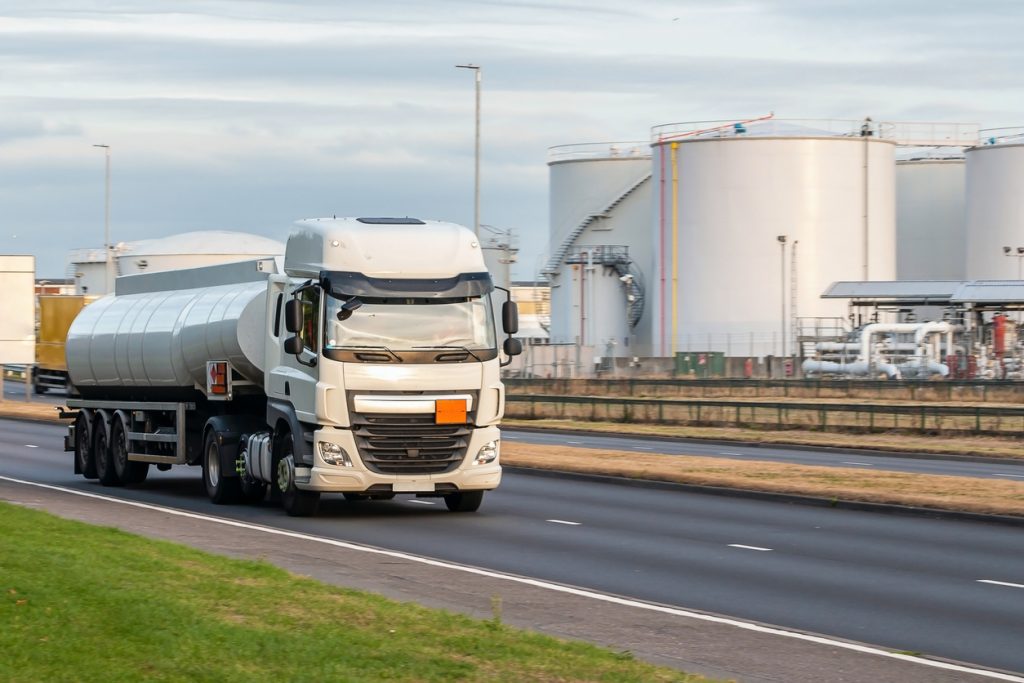
Nigeria hydrogen production is no longer just a technical conversation for energy conferences. It is becoming a serious part of how the country thinks about cleaner power, industrial growth, transport, fertiliser supply, and future export opportunities.
For many Nigerians, hydrogen still sounds far away. But the practical work behind it is very familiar: moving equipment, coordinating engineers, transporting materials, booking hotel stays, arranging airport pickups, and getting people safely to project locations. That is where travel and logistics planning become just as important as the technology itself.
Where Hydrogen Production Fits Into Nigeria’s Energy Future
Nigeria already has strong advantages for hydrogen development. The country has natural gas, good solar potential in the North, ports for export movement, industrial demand from fertiliser and petrochemical businesses, and a large transport market that needs cleaner long-term options.
In simple terms, hydrogen can be produced from gas or water using electricity. Green hydrogen uses renewable power, while blue hydrogen uses natural gas with carbon capture. For Nigeria, both discussions matter because the country is trying to balance energy access, industrial growth, and lower emissions.
The real challenge is not only producing hydrogen. It is building the support system around it.
That support system includes:
- Reliable movement of technical teams
- Safe delivery of imported equipment
- Site transport for engineers and consultants
- Hotel reservations near project locations
- Airport pickup coordination
- Cargo logistics from ports to inland destinations
- Business travel support for energy companies
This is where a company like Travo.ng can support organisations working around energy, infrastructure, and mobility projects in Nigeria.
Moving Hydrogen Equipment Across Nigeria Is Not Like Normal Delivery
Hydrogen-related projects may require compressors, testing tools, solar components, pipes, tanks, sensors, safety kits, and laboratory equipment. These items cannot be treated like ordinary parcels.
For example, equipment arriving through Lagos ports may need to move to Abuja, Kaduna, Kano, Rivers, Ogun, or industrial clusters around Lekki, Agbara, Port Harcourt, or Warri. A small delay at pickup can affect installation schedules, hotel bookings, contractor availability, and project costs.
Anyone who has moved cargo from Lagos to Abuja knows the journey is not just about distance. You must consider road condition, loading time, truck availability, security, traffic around Apapa or Tin Can, and whether the receiving team is ready when the cargo arrives.
For sensitive business cargo, Travo.ng can help coordinate courier services, cargo logistics, delivery planning, and transport support so companies do not have to manage everything manually.
Travel Planning for Energy Teams and Consultants
Hydrogen production projects often involve people moving before the equipment does. A consultant may fly into Abuja for a policy meeting. Engineers may need to inspect a site in Ogun. A foreign technical partner may land in Lagos and require airport pickup, hotel booking, and vehicle hire for several days.
Poor travel coordination can slow down serious projects.
Common issues include:
- Drivers arriving late for airport pickups
- Hotel bookings far from the project site
- No backup vehicle for field visits
- Teams travelling during peak traffic hours
- Cargo arriving before the receiving officer is available
- Last-minute interstate movement without proper planning
With Travo.ng, businesses can arrange airport pickups, hotel reservations, vehicle hire, and local transport coordination in one place. This is useful for energy companies, consultants, NGOs, suppliers, and government project teams working around Nigeria hydrogen production and related clean energy activities.
What Businesses Should Plan Before Moving Project Cargo
Before sending equipment or documents for a hydrogen, solar, gas, or industrial project, businesses should confirm a few things.
First, know the exact pickup and delivery location. “Lagos to Abuja” is not enough. Is the pickup in Ikeja, Lekki, Apapa, or Ogun? Is the delivery going to Maitama, Gwarinpa, Idu Industrial Area, or a project site outside the city?
Second, confirm the item type. A document, spare part, testing device, and heavy machine component all require different handling.
Third, plan around timing. Same-day delivery inside Lagos may be possible depending on distance and traffic, but interstate cargo usually needs more realistic scheduling. Lagos to Abuja road movement can take one to two days depending on vehicle type, loading time, and route conditions.
Finally, assign a receiving contact. Many delivery delays happen because nobody is available to receive the shipment when it arrives.
How Travo.ng Supports the Work Around Hydrogen Projects
Travo.ng is not just useful for everyday travel bookings. For businesses involved in energy, infrastructure, construction, logistics, mobility, or industrial projects, Travo.ng can help simplify the operational side of the work.
Relevant services include:
- Courier and parcel delivery
- Cargo logistics across Nigerian cities
- Airport pickup for project teams
- Hotel reservations for consultants and staff
- Vehicle hire for inspections and field movement
- Interstate transport coordination
- Business logistics support
- Relocation support for teams and equipment
As Nigeria hydrogen production grows, the companies that succeed will not only be the ones with good technology. They will also be the ones that can move people, parts, documents, and equipment without confusion.
Travo.ng helps make that movement easier, especially for businesses that need dependable logistics and travel support across Nigeria.
Getting Ready for Nigeria’s Hydrogen Opportunity
Hydrogen may sound like the future, but the planning must start now. Energy projects need strong logistics, reliable transport, smart booking systems, and people who understand Nigerian routes and delivery realities.
Whether your business is attending an energy meeting in Abuja, moving equipment from Lagos, arranging hotel stays for consultants, or coordinating field transport for a project team, Travo.ng can help you organise the travel and logistics behind the work.
Nigeria hydrogen production will require more than policy and technology. It will require practical movement on the ground, and that is where reliable local logistics makes all the difference.
