


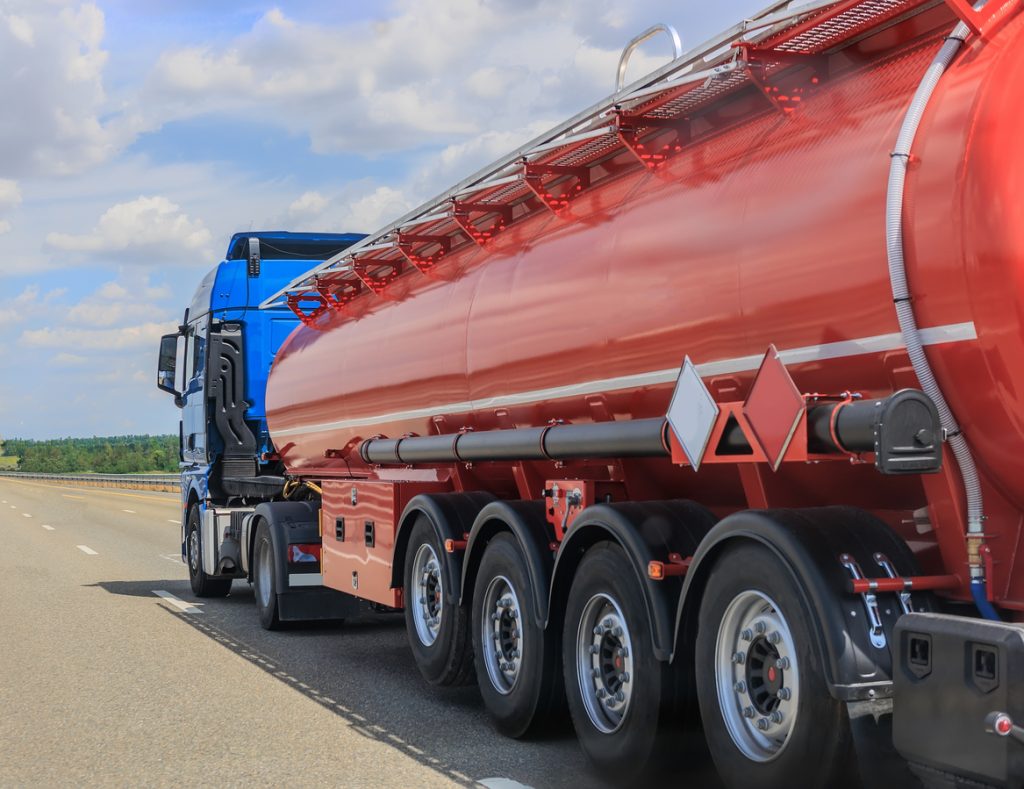
Fuel shortage in Nigeria can quickly scatter a simple plan. A delivery that should leave Ikeja by 10am may still be waiting for a driver by afternoon. A family travelling from Lagos to Ibadan may suddenly face higher transport fares. A business sending goods from Abuja to Port Harcourt may need to adjust dispatch time because available vehicles are fewer.
The problem is not only the fuel queue. It affects pricing, timing, driver availability, customer expectations, and how confidently people can move around or send items. That is why planning ahead matters, especially for businesses, travellers, and anyone depending on road transport.
How fuel scarcity affects movement in real life
When petrol becomes difficult to get, drivers spend longer hours at filling stations. Some reduce trips. Others increase fares to cover higher pump prices, wasted time, and extra operating costs.
For customers, this usually shows up in three ways:
- Delivery fees may rise with little notice
- Pickup times may shift because drivers are delayed
- Interstate transport may become more expensive or harder to book
In Lagos, the impact is usually worse around busy corridors like Lekki, Ajah, Ikeja, Oshodi, Mile 2, and the airport axis. During heavy traffic, a driver who already struggled to buy fuel may avoid long-distance pickup requests unless the trip is properly planned and priced.
What to do before booking transport during fuel scarcity
Do not wait until the last minute. If you need airport pickup, event transport, vehicle hire, or interstate movement, confirm early.
For example, someone travelling from Abuja to Lagos for a morning meeting should not assume airport pickup can be arranged casually after landing. A better approach is to share flight details, pickup location, number of passengers, luggage size, and preferred vehicle type ahead of time.
With Travo.ng, customers can arrange travel bookings, airport pickups, hotel reservations, and transport coordination in one place, which helps reduce the stress of calling different vendors during a fuel crisis.
Sending parcels when fuel is scarce
Fuel shortage in Nigeria also affects courier and delivery services. Same-day delivery may still be possible in places like Lagos, Abuja, and Port Harcourt, but timing must be realistic.
A parcel going from Lekki Phase 1 to Ikeja may normally move within a few hours. During scarcity, the smarter option is to book early in the day, avoid unnecessary route changes, and provide clear receiver details before dispatch.
Businesses should also group deliveries where possible. Instead of sending five separate riders to different locations, it may be cheaper and easier to batch deliveries by area, such as Victoria Island, Yaba, Surulere, and Mainland routes.
Travo.ng courier and delivery services can support individuals and businesses that need structured dispatch planning, especially when fuel availability is affecting rider movement.
Why interstate cargo needs better timing
Interstate cargo is more sensitive to fuel issues because long-distance drivers calculate risk differently. A Lagos to Abuja cargo trip, for instance, involves fuel cost, road conditions, loading time, security checks, and possible delays at depots or parks.
If fuel is scarce, cargo prices may change quickly. A business sending cartons, spare parts, fashion items, food supplies, or equipment should confirm:
- Pickup address and loading time
- Destination city and exact drop-off point
- Weight and size of goods
- Whether the item needs special handling
- Expected delivery timeline
This is where proper logistics coordination matters. Travo.ng can help customers arrange cargo logistics, delivery support, and transport planning without leaving everything to last-minute negotiation at motor parks.
Common mistakes people make during fuel scarcity
One common mistake is assuming yesterday’s price still applies today. Transport costs can change fast when drivers are buying fuel at different rates.
Another mistake is giving incomplete pickup information. If a driver wastes fuel searching for an address in Ajah, Gwarinpa, Wuse, or Festac, the delivery may cost more or arrive late.
People also underestimate festive periods. Around Christmas, Easter, Sallah, and school resumption periods, fuel scarcity can combine with high travel demand. Booking vehicle hire, courier services, or interstate transport early can save money and frustration.
How Travo.ng helps reduce the stress
Travo.ng is useful because travel and logistics often overlap. A customer may need hotel reservation, airport pickup, and local transport in Abuja. A business may need courier service today and cargo movement next week. A family relocating may need vehicle hire and delivery support at the same time.
Instead of managing everything separately, Travo.ng helps customers plan practical movement around real Nigerian conditions, including traffic, fuel availability, route pressure, and timing.
Fuel shortage in Nigeria may not always be predictable, but your travel, delivery, and logistics plans can still be better organised. The key is to book early, communicate clearly, use reliable support, and avoid waiting until scarcity has already disrupted movement.
