


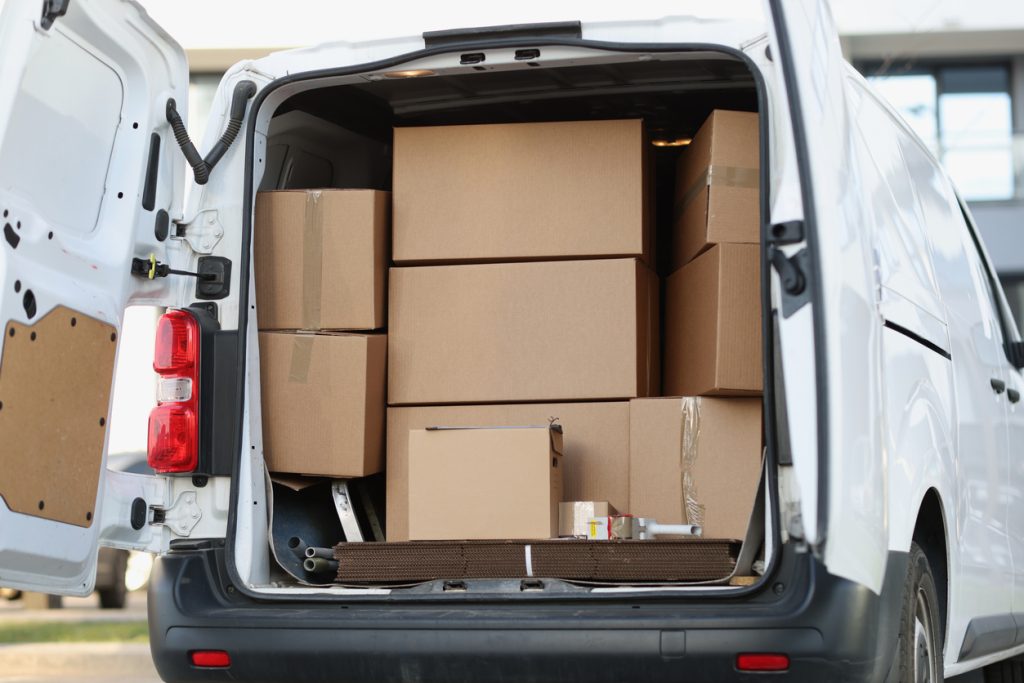
Logistics tracking software in Nigeria has become an essential tool for businesses that move goods, manage deliveries, or operate vehicle fleets. As customer expectations for faster deliveries continue to increase, companies can no longer rely on phone calls, spreadsheets, or manual updates to manage logistics operations effectively.
Whether you operate delivery vans in Lagos, coordinate interstate cargo shipments, or manage a nationwide distribution network, logistics tracking software provides the visibility needed to keep operations running smoothly.
Why manual logistics management creates problems
Many businesses start by managing deliveries through calls, messaging apps, and manual records. While this may work at a small scale, it becomes difficult as operations grow.
Common challenges include:
- Difficulty locating vehicles in transit
- Delivery delays without clear explanations
- Poor communication between dispatchers and drivers
- Limited visibility into cargo movement
- Inaccurate delivery updates
- Increased operational costs
Without a centralized system, managing logistics efficiently becomes increasingly difficult.
What logistics tracking software actually does
Logistics tracking software provides a single platform where businesses can monitor vehicles, deliveries, drivers, and routes in real time.
The system helps businesses:
- Track vehicle locations live
- Monitor delivery progress
- Assign jobs to drivers
- View route history and trip reports
- Improve dispatch coordination
- Generate operational insights and reports
Instead of reacting to problems after they occur, businesses can identify and address issues while deliveries are still in progress.
How logistics tracking software works
Modern logistics platforms combine GPS tracking technology with cloud-based management systems.
A typical setup includes:
- GPS tracking devices installed in vehicles
- Mobile applications for drivers
- A centralized management dashboard
- Real-time location updates
- Reporting and analytics tools
Managers can access the platform from computers, tablets, or smartphones, making it easier to monitor operations from anywhere.
Why logistics businesses in Nigeria are adopting tracking software
The logistics industry is becoming more competitive, and customers expect greater transparency.
Tracking software helps businesses:
- Improve delivery accuracy
- Reduce fuel consumption
- Monitor driver performance
- Increase customer satisfaction
- Reduce unauthorized vehicle use
- Improve route planning
In cities like Lagos, where traffic conditions can change quickly, real-time tracking provides valuable operational flexibility.
Key features businesses should look for
Not all logistics tracking platforms offer the same capabilities.
Important features include:
- Real-time vehicle tracking
- Route optimization tools
- Delivery status monitoring
- Driver behavior reporting
- Geofencing alerts
- Fleet performance analytics
- Mobile and desktop access
- Automated reporting
These features help businesses move beyond basic vehicle tracking into full logistics management.
How tracking software improves delivery operations
For delivery-focused businesses, visibility is one of the biggest advantages.
Tracking software allows companies to:
- Monitor delivery progress live
- Provide accurate customer updates
- Reduce missed deliveries
- Improve dispatch efficiency
- Quickly identify delays
- Reassign deliveries when necessary
This leads to faster and more reliable service.
Logistics tracking for interstate cargo movement
Businesses transporting goods between major Nigerian cities face additional challenges.
Routes such as:
- Lagos to Abuja
- Lagos to Kano
- Port Harcourt to Abuja
- Lagos to Onitsha
often involve long travel times and multiple operational risks.
Tracking software helps managers maintain visibility throughout the journey, reducing uncertainty and improving coordination.
Common mistakes businesses make when implementing tracking software
Some companies invest in technology but fail to maximize its benefits.
Common mistakes include:
- Choosing software without fleet management capabilities
- Not training staff properly
- Ignoring operational reports
- Failing to monitor alerts
- Using tracking solely for location monitoring
The most successful businesses use tracking software as a decision-making tool, not just a tracking tool.
How logistics tracking software reduces operating costs
Many businesses initially invest in tracking software for visibility but discover significant cost savings.
Benefits often include:
- Lower fuel consumption
- Reduced vehicle misuse
- Better route efficiency
- Fewer delivery errors
- Improved asset utilization
- Reduced administrative workload
Over time, these savings can outweigh the cost of the system itself.
How Travo.ng supports logistics tracking operations
Effective logistics management requires both technology and operational expertise.
Travo.ng supports businesses through:
- Fleet visibility solutions
- Vehicle tracking support
- Logistics coordination across Nigeria
- Delivery planning and transport management
- Business mobility and operational support services
These solutions help businesses gain greater control over logistics operations while improving efficiency and service quality.
Final thoughts
Logistics tracking software in Nigeria is no longer reserved for large transport companies. Businesses of all sizes can benefit from improved visibility, better delivery management, and stronger operational control.
As logistics operations become more complex and customer expectations continue to rise, real-time tracking software provides the information businesses need to make faster decisions, reduce costs, and deliver a better customer experience.
