


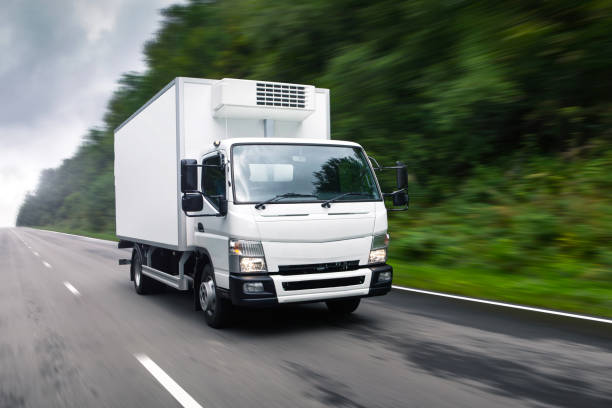
Truck tracker installation in Lagos is now a basic requirement for any business moving goods across the country. Whether it is construction materials, FMCG distribution, or interstate cargo, trucks are high-value assets—and without proper tracking, they are one of the easiest places for losses to happen through fuel theft, route diversion, or delayed deliveries.
In a logistics-heavy environment like Lagos, where trucks move between Apapa ports, warehouses in Ikeja, and distribution points across Nigeria, tracking is no longer optional. It is part of operational control.
What truck tracker installation actually means in real logistics work
Truck tracker installation simply means fitting a GPS tracking device into a commercial truck so the owner or logistics manager can monitor its movement, driver behavior, and delivery progress in real time.
A properly installed system allows you to:
- Track trucks live across Nigeria
- Monitor loading and delivery routes
- Reduce fuel theft and unauthorized stops
- Improve delivery timing and planning
- Detect route diversion immediately
- Manage multiple trucks from one dashboard
For logistics businesses, it turns trucks into fully visible assets.
How truck tracking systems work in Nigeria
The system is built to provide continuous visibility.
Here is how it works:
- A GPS device is installed inside the truck (usually hidden in wiring or dashboard areas)
- The device connects to satellites for location detection
- Data is sent through GSM or internet networks
- Fleet managers view all trucks on a live dashboard or mobile app
- The system updates movement, speed, stops, and routes in real time
Some systems also include fuel monitoring and engine control features.
Why truck tracker installation is critical in Lagos logistics
Lagos is the central hub for most commercial transport in Nigeria, especially around port and industrial zones.
Tracking helps businesses:
- Monitor trucks leaving and entering ports
- Reduce delays caused by route diversion
- Improve coordination between warehouse and delivery teams
- Prevent unauthorized unloading or cargo diversion
- Reduce fuel leakage and operational wastage
- Improve delivery accountability
In busy areas like Apapa and Oshodi, visibility is essential for efficiency.
Types of truck tracking systems used in Nigeria
Different businesses use different levels of tracking depending on fleet size and cargo value.
1. Basic truck trackers
Provide simple live location monitoring.
2. Real-time logistics trackers
Offer continuous updates and route history.
3. Fleet management systems
Used by companies managing multiple trucks with dashboards and reports.
4. Advanced cargo tracking systems
Include fuel sensors, temperature monitoring, and driver behavior analysis.
Each level adds more control over operations.
Key features of a good truck tracking system
A reliable system should go beyond simple location tracking.
Important features include:
- Real-time GPS tracking with low delay
- Route history and playback
- Geofencing alerts for warehouses and delivery zones
- Driver behavior monitoring (speed, stops, idling)
- Fuel usage monitoring (for logistics fleets)
- Multi-truck dashboard access
- Mobile app control for managers
These features are critical for commercial logistics control.
Common problems without truck tracking in Lagos
Without tracking systems, logistics companies often face hidden operational losses.
Common issues include:
- Trucks going off-route without approval
- Fuel theft or manipulation
- Delayed deliveries due to poor coordination
- Difficulty locating trucks during emergencies
- Cargo diversion or unauthorized stops
- Weak accountability for drivers
These problems directly reduce profit margins.
Installation process for truck trackers
Proper installation is important for reliability and security.
Typical process includes:
- Hidden device installation inside truck wiring system
- Connection to constant power supply
- SIM activation for data transmission
- Mobile app setup for fleet manager
- Live testing to confirm tracking accuracy
Installation usually takes 1–3 hours depending on truck type.
Truck tracking for small and large logistics companies
Truck tracking is not only for big corporations.
It is used by:
- Small cargo businesses with 1–3 trucks
- Construction material transport companies
- FMCG distribution companies
- Oil and gas logistics operators
- Large interstate logistics fleets
Even one truck benefits from proper tracking.
Common mistakes in truck tracker installation
Many businesses lose efficiency due to poor setup.
Mistakes include:
- Using low-quality or unstable devices
- Poor installation that exposes the tracker
- Not activating alerts and monitoring features
- Ignoring subscription or SIM data renewal
- Not using dashboards for operational decisions
A tracker only works when actively managed.
How Travo.ng supports truck tracking and logistics operations
Truck tracking becomes more effective when combined with structured logistics planning and mobility support.
Travo.ng supports businesses by helping coordinate:
- Movement of trucks for installation and servicing
- Logistics planning for cargo and delivery operations
- Transport coordination across Nigerian routes
- Mobility support for tracking-enabled fleet operations
This helps businesses connect tracking data with real-world logistics execution.
Final thoughts on truck tracker installation in Lagos
Truck tracker installation is now a core part of running a logistics business in Lagos. It provides visibility, reduces operational losses, and improves coordination across the entire supply chain.
In a high-pressure logistics environment where timing, fuel, and route control matter, tracking systems are no longer optional—they are essential for survival and growth.
