


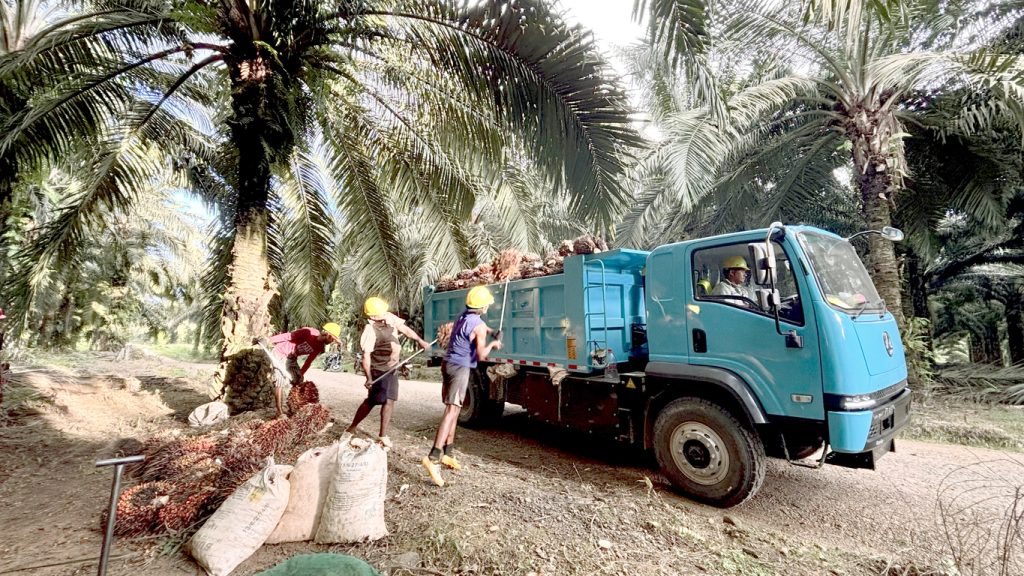
Certification for organic agricultural produce has become increasingly important for Nigerian farmers, aggregators, and exporters looking to access high-value international markets. Buyers in Europe, North America, the Middle East, and parts of Asia are demanding more than quality products—they want proof that crops were grown, handled, and processed according to recognized organic standards.
For exporters shipping agricultural products through trade hubs such as Lagos, organic certification can open doors to premium buyers, stronger contracts, and better long-term market opportunities.
Why organic certification matters in modern agricultural trade
Organic products often command higher prices because consumers are willing to pay more for food produced without prohibited synthetic chemicals and under regulated farming practices.
Organic certification helps:
- Demonstrate compliance with recognized organic standards
- Increase buyer confidence in product quality
- Access premium international markets
- Support product traceability requirements
- Differentiate products from conventional agricultural goods
Without certification, exporters may struggle to prove that their products qualify as organic.
What qualifies agricultural produce as organic?
Organic certification is not based on a single test. It evaluates farming practices, handling procedures, storage systems, and documentation throughout the supply chain.
Common requirements include:
- Limited or prohibited use of synthetic pesticides
- Restricted use of chemical fertilizers
- Proper soil management practices
- Traceable production records
- Segregation from non-organic products
- Compliance with approved organic production standards
Certification bodies assess these factors before granting approval.
Which agricultural products commonly receive organic certification?
A wide range of Nigerian agricultural products can qualify for organic certification when production standards are met.
Examples include:
- Sesame seeds
- Cocoa beans
- Cashew nuts
- Ginger
- Hibiscus flowers
- Shea products
- Soybeans
- Various fruits and vegetables
Demand for certified organic products continues to grow in many export markets.
The role of inspections in organic certification
Certification involves detailed inspections to verify compliance throughout production and handling processes.
Inspectors may review:
- Farm management practices
- Input records and chemical usage
- Harvesting procedures
- Storage facilities
- Processing operations
- Transportation methods
- Product traceability systems
These inspections help ensure that organic claims are supported by verifiable evidence.
Why documentation is critical for certification approval
Organic certification relies heavily on record keeping. Even farms following good practices may face challenges if documentation is incomplete.
Important records often include:
- Farm activity logs
- Input application records
- Harvest records
- Storage documentation
- Batch identification systems
- Supply chain traceability reports
Strong documentation allows certification bodies to verify compliance from production to export.
Common challenges exporters face when pursuing certification
Many agricultural businesses encounter obstacles during the certification process.
Typical challenges include:
- Limited record-keeping systems
- Mixing organic and conventional products
- Inconsistent supplier practices
- Lack of traceability across sourcing networks
- Storage conditions that compromise product segregation
- Insufficient staff training on organic requirements
Addressing these issues early improves certification success rates.
Why traceability is a major part of organic compliance
International buyers increasingly want to know exactly where products originated and how they moved through the supply chain.
Traceability systems help:
- Verify product authenticity
- Support certification audits
- Reduce fraud risks
- Improve buyer confidence
- Strengthen export compliance
Without proper traceability, maintaining organic status becomes difficult.
How laboratory testing supports organic certification
Although certification focuses heavily on production practices, laboratory testing often plays an important supporting role.
Testing may be used to:
- Detect prohibited chemical residues
- Verify compliance with safety standards
- Support quality assurance programs
- Confirm product integrity during export inspections
Laboratory analysis can provide additional confidence for buyers and certification authorities.
The commercial benefits of organic certification
Beyond compliance, certification can create significant business advantages.
Potential benefits include:
- Access to premium export markets
- Stronger relationships with international buyers
- Improved product positioning
- Enhanced brand reputation
- Increased market competitiveness
Many buyers specifically search for certified organic suppliers when sourcing agricultural products.
Preparing agricultural products for certification audits
Businesses seeking certification can improve their readiness by:
- Establishing clear record-keeping systems
- Training staff on organic requirements
- Maintaining product segregation procedures
- Conducting internal compliance reviews
- Monitoring supplier practices regularly
- Implementing traceability controls across operations
Preparation helps reduce delays during inspection and audit processes.
How Travo.ng supports organic agricultural supply chains
Successful organic certification depends not only on farming practices but also on how products move through the supply chain.
Travo.ng supports agricultural exporters through logistics coordination that helps maintain product integrity, including:
- Transportation between farms, warehouses, and inspection points
- Coordinated movement of export-bound agricultural products
- Logistics planning that supports traceability systems
- Timely cargo movement aligned with certification and inspection schedules
Efficient logistics help preserve compliance throughout the export process.
Why organic certification is becoming more valuable for Nigerian exporters
As global demand for sustainably produced food continues to grow, certification for organic agricultural produce is becoming an increasingly valuable asset. Buyers are placing greater emphasis on transparency, traceability, and verified production practices.
Exporters who invest in proper certification systems position themselves for stronger market access, improved buyer trust, and long-term growth in competitive international agricultural markets.
