


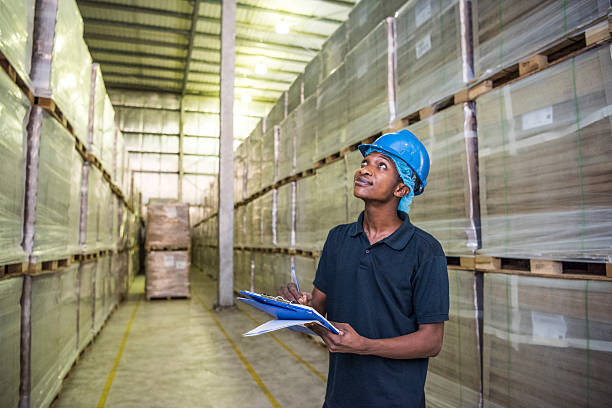
Commodity sampling in warehouses and transit is one of the most important control points in agricultural and mineral export operations. It is the stage where small, representative portions of a bulk shipment are collected and tested to determine the overall quality of the entire consignment.
For exporters moving goods through storage hubs and export corridors into Lagos, sampling is what connects physical goods to laboratory results, certification, grading, and ultimately buyer acceptance.
Why sampling is more important than most exporters realize
Many exporters assume quality is judged by inspecting the full shipment, but in reality, decisions are made based on small samples.
Sampling is critical because it:
- Represents the quality of the entire batch
- Determines lab testing outcomes
- Influences grading and pricing decisions
- Supports certification and compliance checks
- Helps detect contamination early before shipment
If sampling is wrong, even good-quality goods can be rejected, and poor-quality goods can be mistakenly approved.
What warehouse sampling actually involves
Sampling in warehouses is done before goods are packed or loaded for export. It ensures that stored commodities meet required standards.
Typical warehouse sampling includes:
- Drawing samples from different storage points within a batch
- Mixing sub-samples to form a representative composite sample
- Checking moisture levels, contamination, and physical quality
- Labeling samples according to batch identification systems
- Sending samples to accredited laboratories for testing
This process ensures that what is tested reflects the true condition of stored goods.
Why sampling during transit is necessary
Transit sampling is done while goods are moving between locations such as farms, aggregation centers, warehouses, and export terminals.
It is important because:
- Conditions can change during transport
- Mixing of batches may occur in transit
- Moisture or contamination risks may develop
- Verification is needed at multiple checkpoints
- Buyers may require proof at different stages of movement
Without transit sampling, exporters lose visibility over quality changes during movement.
Common sampling errors that affect export results
Sampling mistakes are one of the biggest causes of inaccurate lab results and export disputes.
Typical errors include:
- Taking samples only from top layers of sacks or containers
- Not collecting samples from all parts of a batch
- Contaminating samples during collection
- Failing to properly label or store samples
- Delays between sampling and laboratory testing
- Mixing samples from different grades
These issues can completely distort quality assessments.
How sampling connects to laboratory testing and certification
Sampling is the foundation of all quality control processes. Without proper sampling, lab analysis and certification lose credibility.
It directly affects:
- Commodity lab analysis for quality control
- Third-party inspection and certification
- Grading and packing inspection processes
- Pre-shipment inspection approvals
- Supply chain traceability verification
If sampling is inaccurate, every downstream process becomes unreliable.
Why sampling is critical in warehouse storage environments
Warehouses are not static environments—conditions change over time due to humidity, temperature, and handling activity.
Sampling helps detect:
- Moisture buildup in stored grains
- Pest or insect infestation
- Mold development in oilseeds or cereals
- Contamination from other stored goods
- Quality degradation over storage duration
Regular sampling ensures stored commodities remain export-ready.
Transit sampling challenges in Nigeria’s logistics system
Sampling during transit is more complex due to movement and handling conditions.
Common challenges include:
- Limited time during loading and unloading stops
- Poor coordination between transporters and inspectors
- Rough handling of goods during movement
- Environmental exposure (heat, rain, humidity)
- Lack of standardized sampling points along routes
These challenges are especially common in long-distance movement toward export hubs in Lagos.
The financial impact of poor sampling practices
Incorrect sampling does not just affect technical results—it has direct financial consequences.
These include:
- Shipment rejection due to inaccurate lab results
- Downgrading of commodity grade and pricing
- Delays caused by re-sampling and re-testing
- Loss of buyer trust in quality reports
- Increased inspection frequency on future shipments
In bulk trade, small sampling errors can result in large financial losses.
How exporters ensure accurate sampling in real operations
Experienced exporters follow strict procedures to maintain sampling integrity.
Best practices include:
- Collecting samples from multiple points within each batch
- Using clean, standardized sampling tools
- Labeling samples immediately after collection
- Separating samples by grade and batch ID
- Ensuring fast delivery to laboratories
- Training staff on proper sampling techniques
These steps help ensure that test results are reliable and defensible.
Why sampling during transit requires stronger coordination
Unlike warehouse sampling, transit sampling depends heavily on timing and logistics.
It requires:
- Coordination between transport providers and inspectors
- Pre-planned sampling checkpoints
- Quick transfer of samples to testing facilities
- Proper documentation during movement
- Consistent batch tracking systems
Without coordination, sampling accuracy drops significantly.
How Travo.ng supports sampling logistics and coordination
In real agricultural export operations, sampling success depends not only on technical procedures but also on how efficiently goods and samples move between locations.
Travo.ng supports exporters by improving logistics coordination that strengthens sampling systems, including:
- Timely transport of goods between warehouses, farms, and inspection points
- Fast delivery of samples to accredited laboratories
- Coordinated movement of cargo during inspection schedules
- Reduced delays that can affect sample integrity
When logistics are properly managed, sampling becomes more accurate, faster, and more reliable.
When sampling becomes the foundation of export quality assurance
Commodity sampling in warehouses and transit is not just a procedural step—it is the foundation of every quality decision in agricultural and mineral exports. It determines how goods are graded, tested, certified, and ultimately accepted in international markets.
Exporters who invest in proper sampling systems gain more accurate testing results, fewer disputes, and stronger trust from global buyers.
