


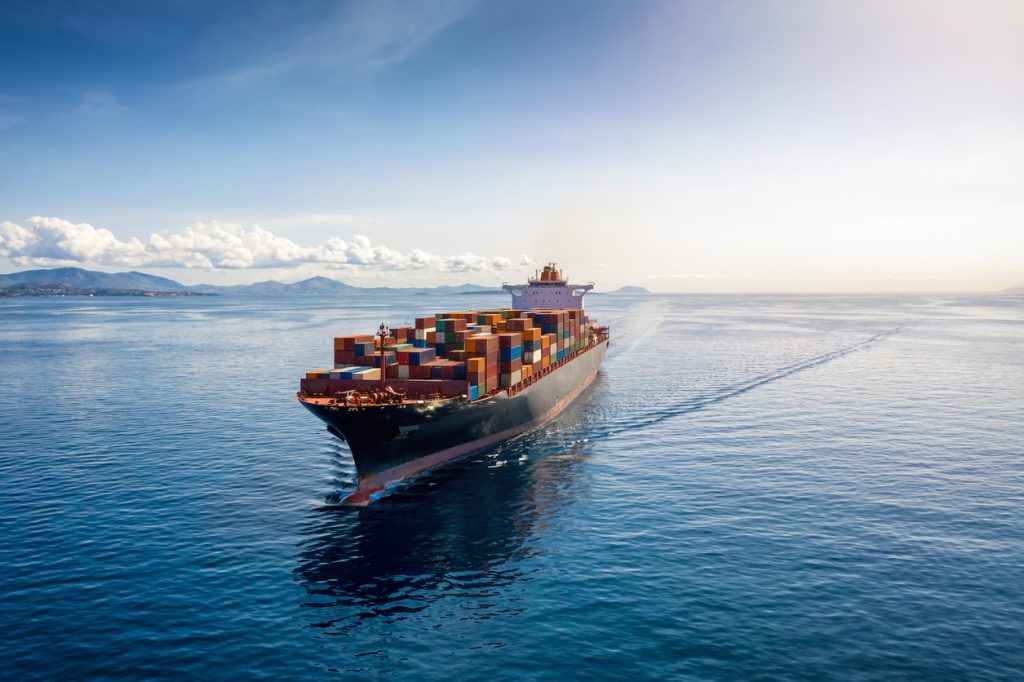
Vessel and container inspection for agri-commodities is one of the final but most important checks before agricultural exports leave Nigeria. At this stage, everything has already been done—harvesting, sampling, lab testing, packaging, and pre-shipment inspection. But if the container or vessel environment is not clean, dry, and compliant, the entire cargo can still be rejected or delayed.
For exporters moving goods through busy export routes in Lagos, this inspection is often the difference between a smooth shipment and a costly dispute at destination ports.
Why container condition can cancel an otherwise perfect shipment
A lot of exporters focus only on crop quality and forget that the container itself is part of the quality chain. International buyers don’t just inspect the product—they also inspect the environment it was transported in.
A container can lead to rejection if it has:
- Moisture or water leakage
- Strong chemical or fuel smell
- Rust contamination inside walls
- Residual waste from previous cargo
- Pest infestation (insects or rodents)
- Damaged seals or structural holes
Even if the agricultural goods are perfect, a bad container can compromise the entire shipment.
What vessel inspection actually involves before loading agri-commodities
Vessel inspection is more than a quick visual check. It is a structured process that ensures cargo holds and containers are safe for food-grade agricultural goods.
Inspectors typically check:
- Cleanliness of container floors and walls
- Absence of moisture or condensation
- Odour neutrality (no chemical or fuel smell)
- Proper sealing capability
- Ventilation suitability for grain cargo
- Structural integrity of container doors and locks
For bulk shipments like grains and oilseeds, even minor contamination risks are taken seriously.
Common container problems Nigerian exporters only discover too late
In many cases, exporters only realize container issues when cargo is already loaded or at port terminals.
Typical problems include:
- Containers arriving late and rushed into loading without inspection
- Using previously contaminated containers from non-food cargo
- Hidden leaks that only show during transit
- Improper cleaning by shipping handlers
- Containers exposed to rain before loading
- Inconsistent inspection standards across depots
These issues often lead to repacking, reloading, or even rejection at destination ports.
Why agri-commodities require stricter vessel and container standards
Agricultural goods are highly sensitive to environmental conditions. Unlike industrial cargo, they can absorb smells, moisture, and contaminants easily.
For example:
- Sesame seeds can absorb fuel odours from unclean containers
- Cocoa beans can be affected by humidity inside sealed holds
- Maize and grains can develop mold if moisture is present
- Oilseeds can degrade quickly in poorly ventilated containers
This is why food-grade container standards are stricter than general cargo standards.
The biggest risk exporters face at the port stage
Once cargo reaches export terminals in Lagos, inspection becomes time-sensitive. At this point, delays are expensive and container availability is limited.
Common risks include:
- Last-minute rejection of containers
- Delays in replacing unsuitable containers
- Increased demurrage charges due to re-inspection
- Missed vessel departure schedules
- Additional handling costs at terminals
A single rejected container can disrupt an entire shipment schedule.
How container condition affects shipping timelines and costs
A bad container doesn’t just cause rejection—it creates a chain reaction of delays.
For example:
- Cargo must be offloaded and reloaded
- New container must be sourced and cleaned
- Re-inspection must be scheduled
- Shipping booking may need to be rescheduled
This leads to higher logistics costs and sometimes contract penalties from buyers.
Best practices exporters use before container loading
Experienced exporters reduce risk by enforcing strict pre-loading checks.
These include:
- Pre-inspecting containers before they arrive at warehouse
- Using only certified food-grade containers for agri-cargo
- Checking for moisture, rust, and odour before loading
- Documenting container condition with photos before sealing
- Coordinating loading only after inspection approval
- Matching container type to commodity requirements
These steps significantly reduce rejection risks at destination ports.
The link between container inspection and earlier export processes
Vessel and container inspection is not an isolated step—it connects directly with:
- Packaging inspection (to ensure cargo protection)
- Quality testing (to ensure product safety)
- Pre-shipment inspection (to verify readiness)
- Quantity verification (to confirm load accuracy)
If any earlier stage is weak, container inspection becomes the final failure point.
How Travo.ng supports vessel and container logistics for agri-exports
In real export operations, timing and coordination are critical. Containers must arrive clean, inspected, and ready at the exact moment cargo is ready for loading.
Travo.ng helps exporters manage these logistics challenges by supporting:
- Timely movement of cargo to loading points
- Coordination of container delivery and pickup schedules
- Transport arrangements that align with vessel booking timelines
- Reduced delays between inspection and shipment execution
When logistics are properly synchronized, exporters avoid container-related rejection and last-minute shipping disruptions.
When vessel inspection becomes the final barrier before export success
At the end of the export chain, vessel and container inspection is the last line of defence before cargo leaves Nigeria. Everything else may be perfect, but a single container defect can undo the entire process.
That is why serious exporters treat container inspection as a non-negotiable step—not a formality.
