


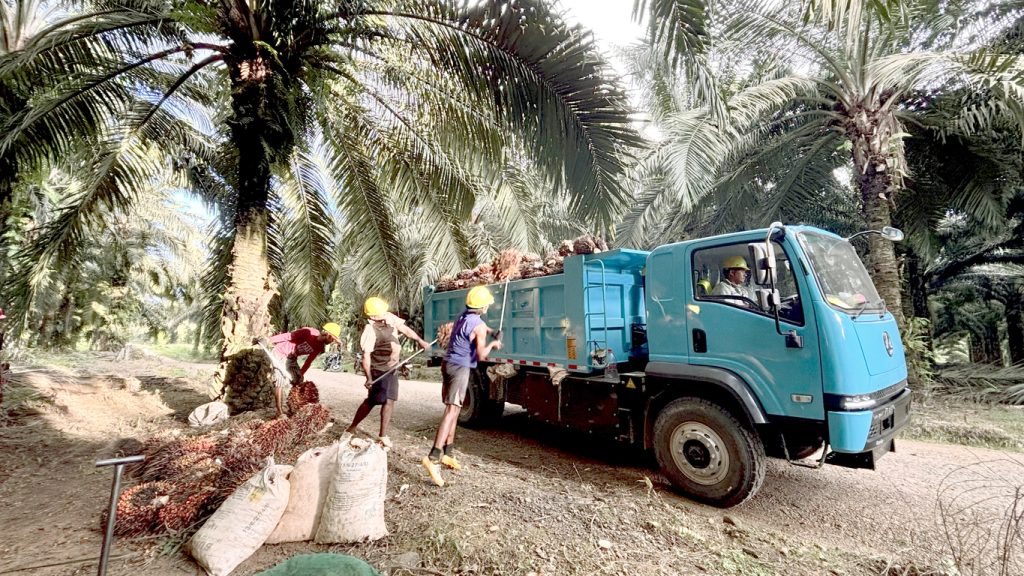
Contamination and quality testing for crops is one of the most sensitive parts of agricultural trade in Nigeria, especially for exporters dealing with international buyers. It is the stage that decides whether your cocoa, sesame, maize, soybeans, or groundnuts will be accepted abroad or rejected at inspection points even after you’ve already spent money on production, packaging, and logistics.
In real export operations, especially when goods pass through busy corridors into Lagos for final shipment, contamination issues are one of the fastest ways to lose both time and money.
The challenge is that contamination is not always visible. Sometimes the crop looks perfect, but lab results tell a different story.
Why contamination is taken more seriously than appearance in export markets
One mistake many new exporters make is assuming clean-looking crops automatically mean safe crops. International buyers don’t rely on appearance—they rely on test results.
Contamination checks focus on:
- Chemical residues (pesticides, herbicides)
- Biological contamination (mold, bacteria, fungi)
- Physical contamination (stones, plastics, foreign materials)
- Aflatoxin levels in grains and nuts
- Moisture-related spoilage risks
- Storage contamination from pests or rodents
Even if the crop looks clean at the farm level, contamination can still occur during drying, storage, transport, or packaging.
The hidden contamination problems that happen before crops reach the lab
Most contamination issues in Nigeria don’t start at the laboratory—they start long before sampling even happens.
Common sources include:
- Drying crops on bare ground instead of clean surfaces
- Using contaminated storage bags reused from previous harvests
- Exposure to dust, fuel fumes, or chemicals during transport
- Rodent or insect infestation in rural warehouses
- Mixing fresh harvest with older stock during aggregation
- Poor handling during loading and offloading
These issues often go unnoticed until laboratory testing reveals them.
Why quality testing is more than just lab results
Quality testing for crops is not only about contamination. It also evaluates whether the crop meets market expectations in terms of usability and consistency.
Typical quality checks include:
- Moisture content (to prevent spoilage during shipping)
- Grain size and uniformity
- Colour consistency (important for export grading)
- Odour and freshness
- Purity level (absence of foreign matter)
For example, sesame seeds or cocoa beans that are slightly off-colour may still be edible locally but fail export grading standards.
How contamination affects agricultural sampling and testing results
Contamination and sampling are closely linked. If sampling is not done correctly, even good crops can appear contaminated.
Problems include:
- Sampling only from surface layers of storage bags
- Not mixing batches before testing
- Delayed sampling causing moisture changes
- Exposure of samples to dirty containers or handling tools
- Inconsistent sampling from different storage points
A single contaminated sample can make an entire batch fail certification.
Why contamination risks increase during transport to Lagos export hubs
As crops move from inland sourcing areas to export points in Lagos, the risk of contamination increases due to multiple handling stages.
Common transport-related risks include:
- Open trucks exposing crops to dust and pollution
- Rain exposure during long-distance movement
- Mixing of different cargo types in shared vehicles
- Poorly sealed packaging during transit
- Extended delays in traffic increasing moisture absorption
By the time goods reach export warehouses, contamination may have already occurred without being noticed.
The most expensive type of contamination: aflatoxin in grains and oilseeds
One of the biggest export challenges in Nigeria is aflatoxin contamination, especially in:
- Groundnuts
- Maize
- Sesame seeds
- Soybeans
Aflatoxin is dangerous because:
- It is invisible to the eye
- It develops during poor drying or storage
- It leads to automatic rejection in many international markets
- It can cause entire containers to be destroyed or returned
This is why grain exporters treat drying, storage, and testing as critical control points.
How contamination leads to export rejection and financial loss
Once contamination is detected, the consequences are usually severe.
Common outcomes include:
- Full rejection of shipment by foreign buyers
- Re-testing delays at port terminals
- Additional storage and demurrage costs
- Repackaging or reprocessing expenses
- Loss of long-term buyer trust
In some cases, exporters lose future contracts even after correcting the issue.
How exporters reduce contamination risks before testing
Successful exporters don’t wait for laboratory results—they prevent contamination from the start.
Key prevention steps include:
- Proper drying on raised, clean platforms
- Use of new, food-grade storage materials
- Separation of batches from different harvest periods
- Controlled warehouse environments with pest management
- Pre-cleaning before packaging and transport
- Early internal quality checks before formal testing
These steps significantly reduce rejection rates.
Where Travo.ng fits into crop quality and contamination control logistics
In agricultural export systems, contamination control is not only about farming—it is also about how crops are moved, stored, and delivered for testing and export.
Travo.ng supports exporters by helping manage logistics that reduce contamination risks during movement and handling.
This includes:
- Coordinated transport of agricultural goods under controlled timelines
- Movement of crops between farms, warehouses, and testing facilities
- Reduced exposure time during transit to prevent spoilage
- Logistics support that helps maintain proper handling conditions
When logistics are well managed, the chances of contamination during movement are significantly reduced.
When quality testing becomes the final checkpoint that decides everything
Contamination and quality testing is not just a technical requirement—it is the final confirmation that determines whether a crop is export-ready.
Even if production and packaging are perfect, contamination at any stage can invalidate the entire effort.
That is why serious exporters treat quality control as a continuous process, not a one-time test.
