


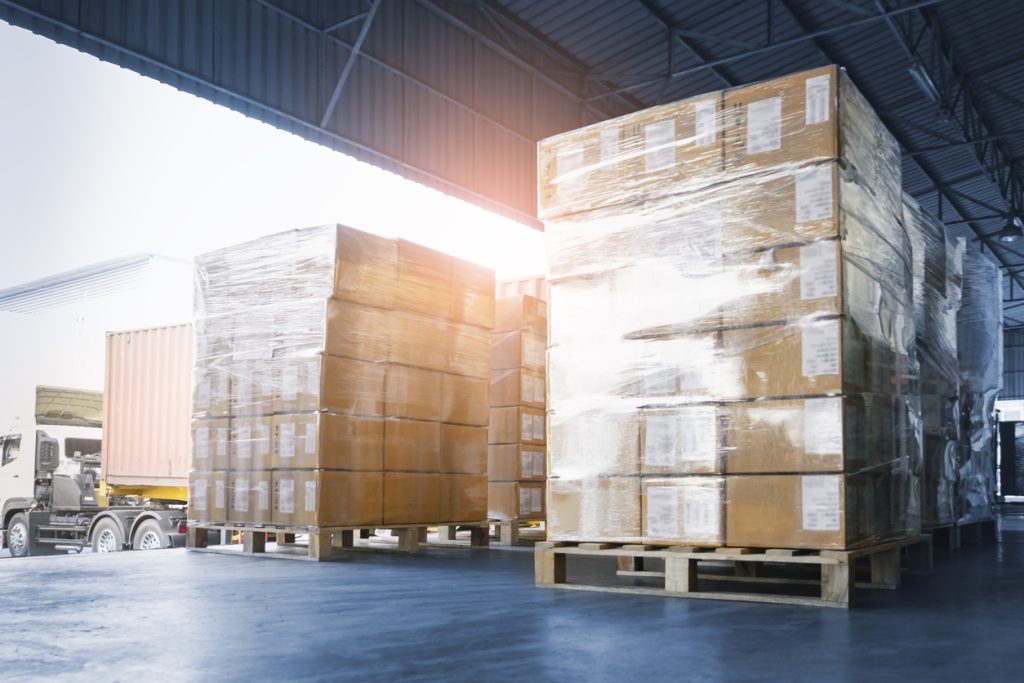
Pre-shipment inspection for grains and oilseeds is one of the most critical checkpoints in Nigeria’s agro-export chain. It is the stage where everything—quality, quantity, packaging, documentation, and compliance—is verified before a container is cleared to move out of the warehouse or head to the port.
For exporters dealing in sesame seeds, soybeans, groundnuts, palm kernel, maize, or even blended grain exports, this inspection is what determines whether cargo will move smoothly through terminals in Lagos or get stuck in costly delays.
Most people only understand its importance when a shipment is already delayed at Apapa or flagged for re-verification.
Why pre-shipment inspection is treated as a “final gate” before export
Unlike early-stage sampling or lab testing, pre-shipment inspection happens when goods are already packed, sealed, and ready for export. That means any mistake found at this stage is expensive to fix.
Inspectors typically verify:
- Physical condition of grains and oilseeds
- Packaging integrity and sealing
- Correct weight and quantity per bag or container
- Moisture levels and contamination risks
- Labelling and traceability details
- Compliance with buyer and destination country requirements
If anything fails here, the entire shipment can be delayed or sent back for correction.
What exporters don’t realize until inspection starts at the warehouse
Many exporters assume that once goods pass farm sorting and lab testing, they are good to go. In practice, pre-shipment inspection often reveals issues that were missed earlier.
Common surprises include:
- Mixed-quality batches that were not properly separated
- Weight discrepancies between declared and actual cargo
- Poor sealing caused during last-mile transport
- Contamination from storage warehouses
- Incorrect documentation not matching physical cargo
For grains and oilseeds, even small inconsistencies can trigger rejection because buyers in international markets expect uniformity and traceability.
Why grains and oilseeds require stricter inspection standards
Grains and oilseeds are highly sensitive commodities because they are:
- Easily affected by moisture during transport
- Vulnerable to pest infestation during storage
- Prone to quality variation across batches
- Subject to strict international food safety regulations
For example:
- Sesame seeds exported from Northern Nigeria often face aflatoxin scrutiny
- Soybeans require strict moisture and impurity control
- Groundnuts must meet very low contamination thresholds for EU markets
This is why inspection is not just visual—it often overlaps with sampling and laboratory verification.
Where most pre-shipment inspection delays happen in Nigeria
In practice, most delays don’t happen because inspectors are slow—they happen because logistics and preparation are incomplete before inspection begins.
Typical issues include:
- Cargo arriving late from inland sourcing areas
- Incomplete packaging at the time of inspection
- Missing or inconsistent documentation
- Warehouse congestion delaying access to goods
- Containers not ready at the time of clearance
Once goods are staged for export, any delay becomes expensive due to storage fees and shipping schedules.
The connection between inspection, sampling, and packaging
Pre-shipment inspection does not work in isolation. It is directly connected to earlier steps like agricultural sampling, laboratory testing, and packaging inspection.
Here is how they link:
- Poor sampling leads to unreliable test results
- Weak packaging leads to contamination before inspection
- Inaccurate labelling leads to documentation mismatch
- Storage issues affect grain quality before inspection
This chain effect is why exporters who manage all three stages together experience fewer delays than those who treat them separately.
Cost of failed pre-shipment inspection in real terms
A failed inspection does not just mean rechecking cargo—it often means financial loss.
Typical consequences include:
- Extra warehouse storage charges per day
- Demurrage fees at port terminals
- Repackaging and reprocessing costs
- Missed shipping schedules
- Loss of buyer trust or contract cancellation
In high-volume grain exports, even a 48-hour delay can significantly affect profitability.
How experienced exporters prepare before inspection day
Successful agro-exporters in Nigeria don’t wait for inspection day to fix problems. They prepare in advance.
Common practices include:
- Pre-inspection internal checks before official inspection
- Segregating batches clearly during storage
- Standardizing packaging before cargo arrives at warehouse
- Pre-verifying documents against physical goods
- Coordinating logistics timing to match inspection schedules
This reduces the chance of surprises during official checks.
How Travo.ng supports pre-shipment inspection workflows
In real export operations, inspection success depends heavily on timing and logistics coordination. Movement of goods, readiness of cargo, and access to inspection points must all align perfectly.
Travo.ng supports this process by helping exporters manage critical logistics around inspection readiness.
This includes:
- Coordinated movement of grains and oilseeds to inspection warehouses
- Time-sensitive transport scheduling to avoid missed inspection windows
- Support for cargo readiness before container sealing
- Logistics coordination between storage points and export terminals
When inspection, packaging, and transport are properly synchronized, exporters reduce rejection risk and improve export efficiency.
When inspection becomes the deciding factor for export success
For grains and oilseeds, pre-shipment inspection is not just a procedural step—it is the final decision point before international movement.
Even perfectly grown and well-tested commodities can fail at this stage if:
- Packaging is inconsistent
- Documentation is incorrect
- Cargo is not properly prepared for inspection
- Logistics timing is poorly managed
This is why exporters who treat inspection as part of a wider logistics strategy consistently perform better in export markets.
