


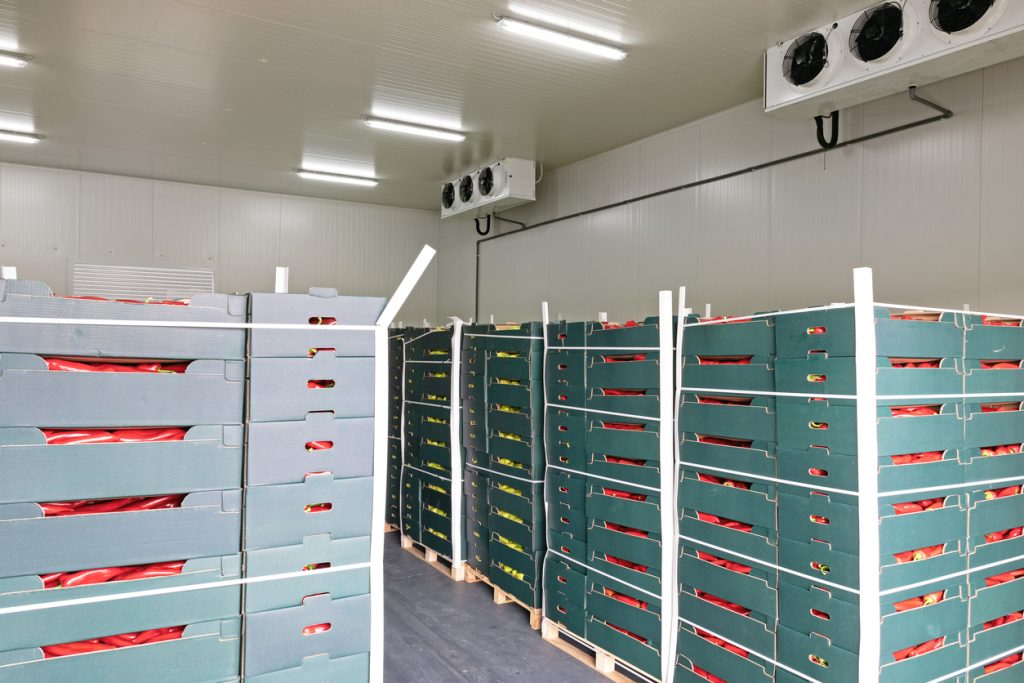
When people search for agricultural storage quality inspection services, they are usually dealing with a real problem in the supply chain — how to ensure that farm produce stored in warehouses or aggregation centres in Nigeria maintains its quality before export or sale.
In agricultural trade, storage is not just a waiting phase. It is a risk period where crops like cocoa, sesame seeds, cashew nuts, maize, soybeans, and ginger can quietly lose value through moisture, pests, contamination, or poor handling.
Quality inspection during storage helps exporters catch problems early before they turn into rejected shipments or financial losses.
What agricultural storage quality inspection actually means
Agricultural storage quality inspection is the process of regularly checking stored farm produce to confirm that it remains in acceptable condition for trade, processing, or export.
It involves monitoring and evaluating:
- Moisture levels in stored produce
- Presence of pests or insects
- Signs of mould or spoilage
- Cleanliness and contamination risks
- Packaging condition and integrity
- Weight consistency over time
The goal is to ensure stored commodities remain export-ready.
Why storage inspection is important in Nigeria’s agricultural trade
Nigeria’s agricultural supply chain often involves:
- Farm-level aggregation
- Transport to warehouses
- Bulk storage before export
- Delayed shipment due to documentation or logistics
During this time, product quality can change quickly.
Without inspection, exporters may face:
- Mold growth due to humidity
- Insect infestation in storage bags
- Moisture absorption leading to weight loss
- Contamination from poor warehouse conditions
- Reduced product grade at export stage
- Buyer rejection after inspection
In many cases, the loss happens silently during storage, not at harvest.
Common agricultural products that require storage inspection
Storage quality inspection is especially important for:
- Cocoa beans
- Cashew nuts
- Sesame seeds
- Soybeans
- Maize
- Ginger
- Hibiscus flower
- Palm kernel
- Shea nuts
- Dried chili pepper
These commodities are highly sensitive to moisture and environmental conditions.
What happens during storage quality inspection
Inspection is carried out in stages depending on storage duration and product type.
1. Moisture monitoring
Inspectors check whether moisture levels are increasing or remaining stable.
2. Physical condition check
Stored produce is examined for:
- Colour changes
- Clumping or caking
- Odour changes indicating spoilage
3. Pest and infestation check
Warehouses are checked for:
- Insects inside bags
- Rodent activity
- Larvae or contamination signs
4. Packaging assessment
Inspection includes checking:
- Bag integrity (jute or FIBC bags)
- Proper sealing
- Tear or leakage risks
5. Weight reconciliation
Stored quantities are compared with initial records to detect losses or discrepancies.
Why storage conditions affect export pricing
Buyers base pricing on quality consistency. Poor storage can lead to:
- Lower grade classification
- Reduced market value
- Re-negotiation of contract terms
- Rejection at destination inspection points
Even small quality changes during storage can affect final pricing.
Common storage problems in Nigeria’s agricultural sector
Many exporters face recurring issues such as:
- High humidity in storage warehouses
- Poor ventilation systems
- Overcrowded storage spaces
- Lack of regular inspection schedules
- Mixing of different product grades
- Inadequate pest control measures
These problems often reduce export readiness over time.
When storage quality inspection should be done
To protect value, inspections should be conducted:
- Immediately after storage placement
- Weekly or monthly during long-term storage
- Before re-bagging or repackaging
- Prior to transportation to port
- Before export documentation is finalized
Regular inspection reduces the risk of unnoticed deterioration.
How storage inspection prevents export losses
Proper inspection helps exporters:
- Detect moisture increase early
- Prevent pest infestation spread
- Maintain consistent product grade
- Avoid shipment rejection at ports
- Preserve buyer confidence
Early intervention is always cheaper than fixing damaged cargo.
The link between storage and logistics planning
Storage quality directly affects logistics decisions such as:
- When to move cargo to port
- How to package for transport
- Whether reprocessing is needed before export
- Scheduling of inspection and certification
- Container loading readiness
Poor storage conditions can delay the entire export chain.
Common mistakes exporters make
Many agricultural exporters experience losses due to:
- No structured inspection schedule
- Ignoring early signs of moisture buildup
- Using poorly maintained warehouses
- Mixing newly harvested and older stock
- Delaying shipment without monitoring quality
These mistakes often lead to preventable quality degradation.
How Travo.ng supports agricultural storage inspection logistics
For agricultural exporters in Nigeria, Travo.ng helps coordinate the logistics side of storage monitoring, inspection, and export preparation.
Support may include:
- Coordination of produce movement into storage facilities
- Logistics planning for inspection and sampling activities
- Support for warehouse-to-port transportation
- Coordination of quality verification processes
- Export documentation and shipment scheduling
- End-to-end agricultural logistics management
By connecting storage monitoring with transport and export execution, Travo.ng helps exporters reduce losses, maintain quality, and improve shipment reliability.
