


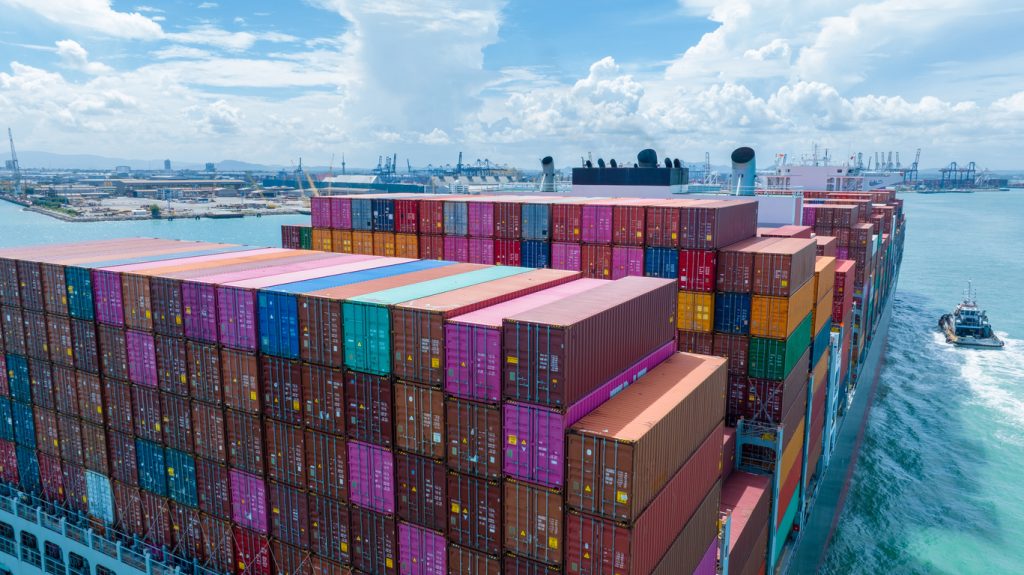
Importing goods into Nigeria can be profitable, but it can also become frustrating when shipments encounter unexpected obstacles. A container that should have been released in days suddenly attracts demurrage charges. Customs raises a valuation query. A shipping line delays a delivery order. A truck fails to arrive after cargo release.
When businesses search for import problem resolution Nigeria, they are usually looking for practical solutions to get cargo moving again and prevent small issues from becoming expensive disruptions.
The key to resolving import problems is identifying the exact point of failure and acting quickly before delays spread across the rest of the supply chain.
Why import problems happen in Nigeria
Most import challenges are not caused by a single mistake. They typically result from gaps in planning, documentation, compliance, or logistics coordination.
Common causes include:
- Documentation inconsistencies
- Delayed Form M processing
- PAAR-related issues
- Incorrect HS code classification
- Customs valuation disputes
- Inspection delays
- Shipping line bottlenecks
- Terminal release challenges
- Trucking and evacuation problems
Because multiple parties are involved in the import process, a problem in one area can affect every stage that follows.
The first step: identify where the shipment is stuck
Effective import problem resolution starts with diagnosis.
Most import issues fall into one of the following categories:
Documentation issues
Examples include:
- Invoice discrepancies
- Incorrect cargo descriptions
- Missing supporting documents
- Regulatory approval gaps
Customs clearance issues
These often involve:
- Duty assessment disputes
- Valuation reviews
- Declaration errors
- Inspection requirements
Shipping line issues
Typical problems include:
- Delayed delivery orders
- Outstanding charges
- Documentation mismatches
Terminal-related delays
Cargo may be held because of:
- Release processing delays
- Storage fee issues
- Congestion within the terminal
Transportation challenges
Even after release, cargo can be delayed by:
- Truck shortages
- Scheduling conflicts
- Port access restrictions
Understanding the exact bottleneck prevents wasted time and effort.
How documentation problems are resolved
Documentation is often the easiest issue to fix but also one of the most common causes of delay.
Resolution may involve:
- Correcting invoice details
- Updating product descriptions
- Providing additional supporting documents
- Aligning shipping and customs records
- Securing outstanding approvals
The sooner discrepancies are identified, the faster cargo can continue through the clearance process.
Solving customs clearance delays
When Customs-related issues arise, businesses often need to:
- Clarify declarations
- Address valuation concerns
- Review HS code classifications
- Provide supplementary documentation
- Respond quickly to official queries
Delays frequently occur when responses are incomplete or submitted too late.
Managing valuation and duty disputes
Valuation disagreements are among the most expensive import problems.
When Customs believes the declared value is inaccurate:
- Additional duties may be assessed
- Cargo may be held for further review
- Clearance timelines may increase significantly
Proper documentation and supporting evidence are essential for resolving these disputes efficiently.
What to do when cargo is selected for inspection
Inspections can slow down cargo release, especially if documentation does not match shipment contents.
To reduce delays:
- Ensure cargo descriptions are accurate
- Keep all supporting documents readily available
- Coordinate inspection scheduling promptly
- Address any questions immediately
Preparation often determines how quickly an inspection is completed.
Preventing demurrage while resolving problems
One of the biggest risks during an import disruption is the accumulation of demurrage and storage fees.
Businesses can reduce these costs by:
- Acting quickly when issues arise
- Monitoring cargo status daily
- Coordinating stakeholders simultaneously
- Preparing transportation in advance of release
Waiting for one problem to be solved before addressing the next often increases overall costs.
Why coordination is the most important part of problem resolution
Import operations involve multiple stakeholders:
- Suppliers
- Freight forwarders
- Customs brokers
- Shipping lines
- Terminal operators
- Transport providers
Many delays occur because each party is working independently.
Successful import problem resolution requires a coordinated approach that keeps everyone aligned and focused on the same objective.
How experienced importers reduce recurring problems
Businesses that consistently avoid major import disruptions typically:
- Conduct compliance reviews before shipment
- Verify documentation before cargo departure
- Monitor cargo throughout transit
- Engage clearance specialists early
- Coordinate trucking before release approval
They focus on prevention rather than emergency fixes.
How Travo.ng supports import problem resolution in Nigeria
For businesses dealing with delayed or problematic shipments, Travo.ng helps coordinate solutions across multiple stages of the import process.
Support may include:
- Reviewing shipment status and identifying bottlenecks
- Coordinating documentation corrections
- Supporting customs clearance processes
- Assisting with port pickup and cargo evacuation planning
- Organizing transportation after release
- Managing logistics coordination across stakeholders
By bringing together clearance, transport, and logistics activities, Travo.ng helps businesses resolve import challenges more efficiently and reduce the impact of costly delays.
