


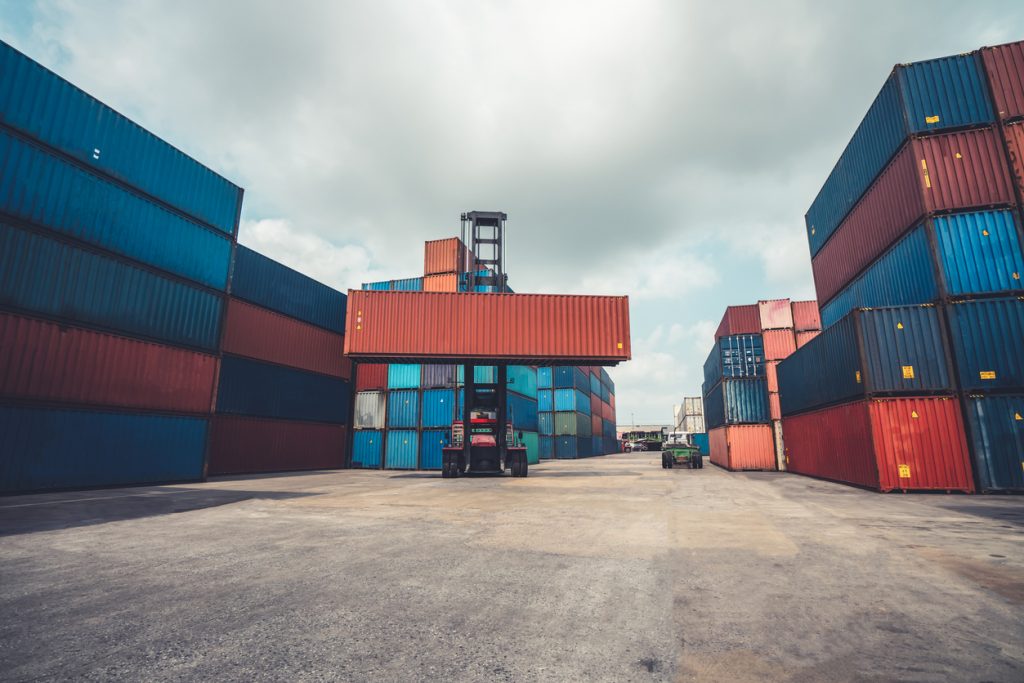
When people search for how to speed up customs clearance Nigeria, it’s usually because they’ve already experienced the opposite — containers sitting at Apapa or Tin Can Island longer than expected, demurrage charges building up, and no clear explanation from agents.
The reality is simple: speeding up clearance is not about luck. It is about how well your shipment is prepared before it reaches the systems of the Nigeria Customs Service and how consistently your documentation and logistics processes are handled.
At Nigerian ports, speed is earned through preparation, not negotiation at the terminal.
Why some cargo clears in hours while others take days
At Lagos ports, two importers can ship identical goods, but experience completely different clearance timelines.
The difference usually comes down to:
- Document accuracy before arrival
- Correct HS code classification
- Consistent invoice valuation
- Pre-arrival processing completion
- Importer compliance history
If everything aligns early, cargo moves quickly through green or yellow channels. If not, it gets flagged for inspection or valuation review.
The most important step: get documentation right before shipment leaves origin
The fastest-clearing shipments are not the ones that “luck out” at the port — they are the ones fully prepared before arrival.
To speed up clearance, ensure:
- Invoice details match packing list exactly
- HS codes are correctly assigned for Nigerian classification standards
- Supplier details are consistent across all documents
- Cargo description is clear and specific (not vague or generic)
Even small inconsistencies can move cargo from fast-track processing to physical inspection.
Why pre-arrival processing is the real speed booster
Most delays happen because importers treat documentation as a post-arrival task.
To speed up clearance, key processes must be completed early:
- Form M must be properly processed before shipment
- Pre-Arrival Assessment Report (PAAR) should be ready before cargo arrives
- Regulatory approvals (where required) should be attached in advance
When these are done correctly, Customs processing begins immediately on arrival instead of starting from scratch.
How valuation accuracy affects clearance speed
One of the biggest hidden factors in clearance speed is declared value.
If Customs systems detect that your invoice value is below expected benchmarks, your cargo will likely be:
- Flagged for review
- Sent for physical inspection
- Held for reassessment of duties
This immediately slows down clearance, regardless of how correct other documents are.
Accurate valuation keeps cargo moving through standard processing channels.
Why HS code errors are one of the biggest delay triggers
Incorrect HS classification is one of the fastest ways to slow down clearance in Nigeria.
A wrong HS code can:
- Trigger regulatory checks
- Change duty rates unexpectedly
- Require manual review by officers
- Lead to inspection delays
Many importers rely solely on suppliers, but Nigerian Customs classification standards often require local verification.
The role of importer consistency in clearance speed
Over time, Customs builds a profile of every importer.
Importers who clear faster usually have:
- Stable and consistent documentation patterns
- Accurate declarations across multiple shipments
- Clean compliance history
- Predictable import behavior
Inconsistent import behavior increases scrutiny, which slows down future shipments.
How port operations in Lagos affect clearance speed
Even when documentation is perfect, physical conditions at ports still matter.
At Apapa and Tin Can Island:
- High container congestion slows movement
- Limited inspection capacity creates queues
- Truck availability affects evacuation speed
- Yard scheduling can delay release even after approval
So speed is a mix of compliance efficiency and port logistics capacity.
What experienced importers do differently
Importers who consistently achieve faster clearance don’t wait until cargo arrives.
They:
- Pre-check documents before shipment
- Confirm HS codes with local compliance experts
- Align supplier invoices with Customs expectations
- Secure approvals early for regulated goods
- Monitor shipment from origin to arrival
The key difference is planning, not reaction.
The mistake that slows down almost every beginner importer
The most common mistake is thinking clearing agents can “fix everything at the port.”
By the time cargo arrives:
- Documentation errors are already locked in
- System profiling is already applied
- Risk classification is already assigned
At that stage, speed depends more on correction time than clearance strategy.
How coordination speeds up everything
Clearance speed is heavily affected by how well different parts of the import chain work together.
Delays often come from:
- Supplier and importer not aligned on documentation
- Clearing agent receiving documents too late
- No pre-shipment review process
- Poor tracking of shipment status
When coordination is tight, clearance becomes predictable and faster.
How Travo.ng helps importers speed up customs clearance
For businesses and importers dealing with frequent shipments into Nigeria, Travo.ng supports faster clearance by improving logistics coordination across the entire import process.
This includes:
- Coordinated cargo movement planning into Nigeria
- Import logistics support to reduce documentation errors before arrival
- Airport and port pickup coordination for inbound cargo
- Delivery and haulage management after clearance
- End-to-end logistics planning for businesses handling regular imports
By improving preparation and coordination before cargo reaches the port, importers reduce the mistakes and inconsistencies that typically slow down clearance.
